Buccaneers and Pirates of Our Coasts
1898

Buccaneers and Pirates of Our Coasts
1898
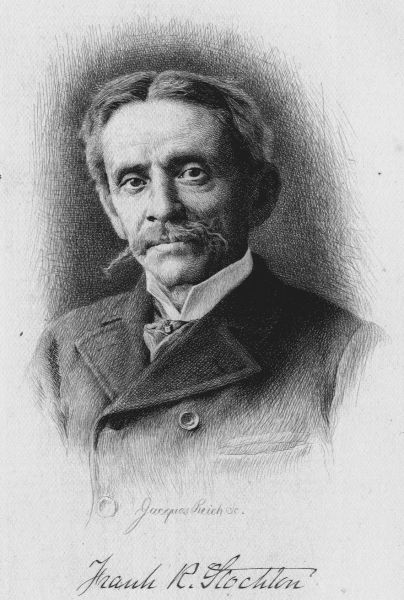
Frank R. Stockton's 1898 account begins with a confession: as a boy, he worshipped pirates and longed for their freedom. This personal warmth animates the entire work, transforming what could be dry historical recounting into something closer to a love letter to a vanished world. Stockton traces the buccaneers' emergence from Caribbean outcasts, former traders shattered by Spanish imperial cruelty into something wilder, more desperate, more alive. These were men who chose death over suffocation under colonial rule, and their story becomes a meditation on what drives human beings to abandon civilization for the sea's brutal honesty. The narrative moves through legendary figures and bloody encounters, revealing how a fight for survival transformed into something more complex: a culture of violence, camaraderie, and codes that still capture the imagination centuries later. What distinguishes this work is Stockton's refusal to simply condemn or glorify. He understands the attraction, the terrible romance of piracy, while never erasing its violence. For readers who crave historical accounts that read like adventure narratives, who want to understand why societies create outlaws and then mythologize them, this remains a compelling window into America's turbulent maritime origins.
Editions

X-Ray
“When the buccaneers had begun to understand each other and to effect organizations among themselves, they adopted a general name,”
— Frank R. Stockton
Link to this book
Add a free, dofollow link to Lex on your blog, forum, syllabus, or reading list.

<a href="https://lex-books.com/book/buccaneers-and-pirates-of-our-coasts-6128e13e-b08f-441e-aaa9-6bf1e18ad76e"><img src="https://lex-books.com/badges/read-on-lex.svg" alt="Read Buccaneers and Pirates of Our Coasts by Frank R. Stockton free on Lex" width="160" height="40"></a>[](https://lex-books.com/book/buccaneers-and-pirates-of-our-coasts-6128e13e-b08f-441e-aaa9-6bf1e18ad76e)[url=https://lex-books.com/book/buccaneers-and-pirates-of-our-coasts-6128e13e-b08f-441e-aaa9-6bf1e18ad76e][img]https://lex-books.com/badges/read-on-lex.svg[/img][/url]Read Buccaneers and Pirates of Our Coasts by Frank R. Stockton free on Lex: https://lex-books.com/book/buccaneers-and-pirates-of-our-coasts-6128e13e-b08f-441e-aaa9-6bf1e18ad76eCite this book
Reading this edition for a paper or guide? Copy a citation.
Stockton, Frank R.. Buccaneers and Pirates of Our Coasts. Lex, lex-books.com/book/buccaneers-and-pirates-of-our-coasts-6128e13e-b08f-441e-aaa9-6bf1e18ad76e.Stockton, F. R. (1898). Buccaneers and Pirates of Our Coasts. Lex. https://lex-books.com/book/buccaneers-and-pirates-of-our-coasts-6128e13e-b08f-441e-aaa9-6bf1e18ad76eStockton, Frank R.. Buccaneers and Pirates of Our Coasts. Lex. https://lex-books.com/book/buccaneers-and-pirates-of-our-coasts-6128e13e-b08f-441e-aaa9-6bf1e18ad76e.