Aventures De Baron De Münchausen
1785
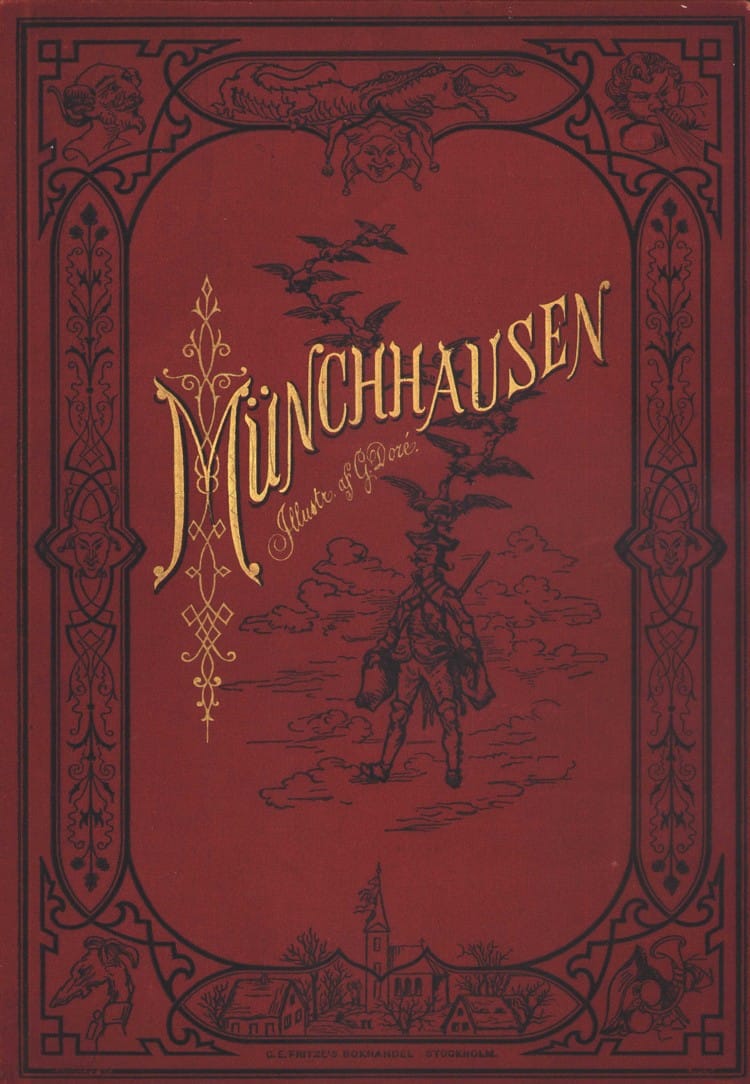
Aventures De Baron De Münchausen
1785
Translated by Théophile Gautier
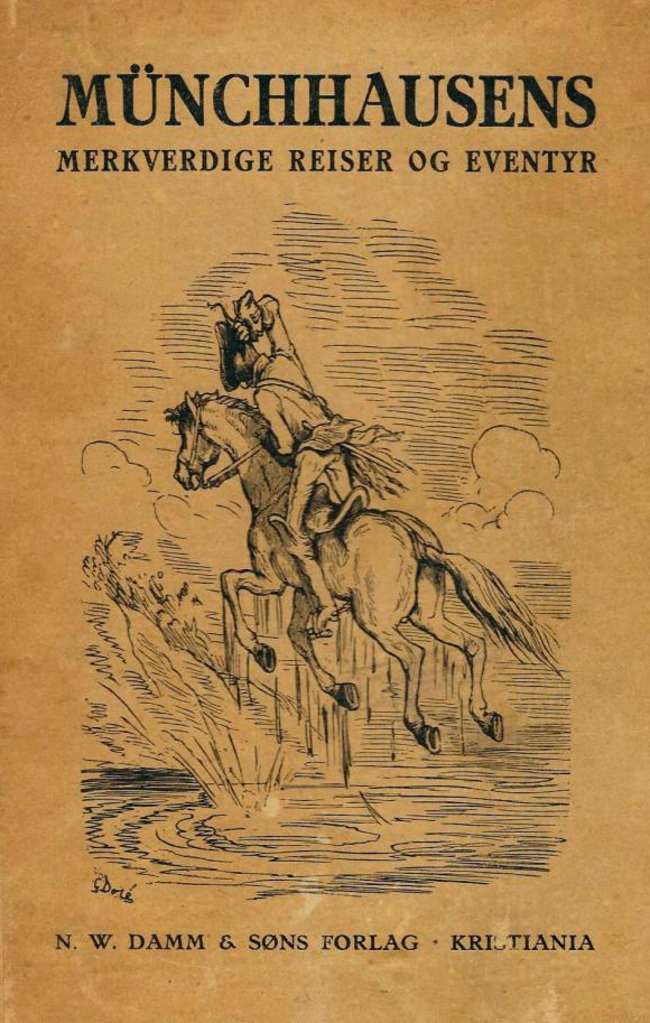
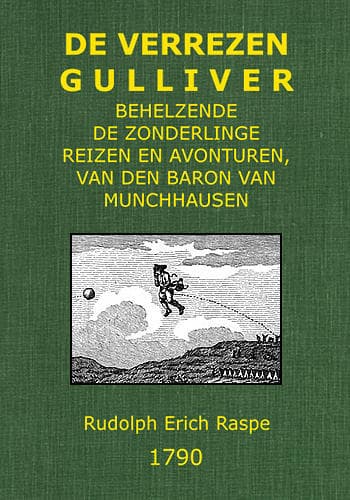
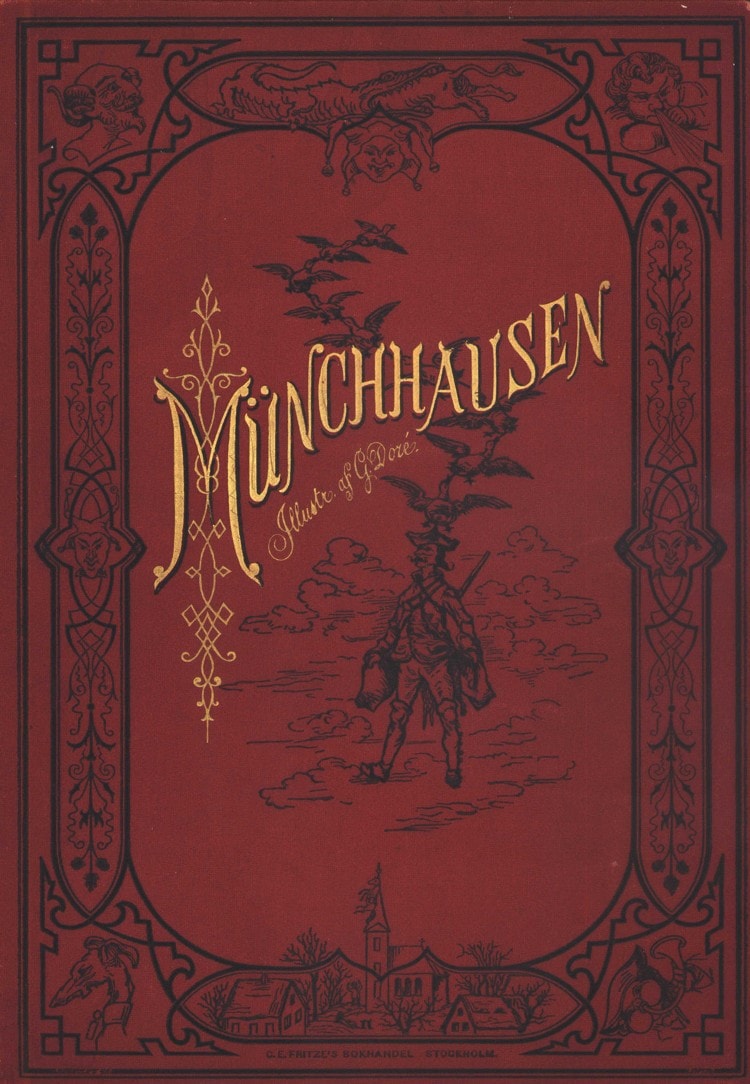
''Aventures de Baron de Münchausen'' is a satirical collection of tall tales by Rudolf Erich Raspe, first published in 1785. The book follows the whimsical Baron Münchausen, a boastful nobleman whose outrageous adventures defy the laws of nature, including riding cannonballs and traveling to the Moon. The stories, filled with absurdity and humor, have influenced various adaptations and artistic representations, notably illustrated by Gustave Doré. This work remains a significant example of 18th-century literature that blends fiction with fantastical travel narratives.
Editions
X-Ray
“If the Baron meets with a parcel of negro ships carrying whites into slavery to work upon their plantations in a cold climate, should we therefore imagine that he intends a reflection on the present traffic in human flesh? And that, if the negroes should do so, it would be simple justice, as retaliation is the law of God! If we were to think this a reflection on any present commercial or political matter, we should be tempted to imagine, perhaps, some political ideas conveyed in every page, in every sentence of the whole. Whether such things are or are not the intentions of the Baron the reader must judge.””
— Rudolf Erich Raspe
“Some travellers are apt to advance more than is perhaps strictly true; if any of the company entertain a doubt of my veracity, I shall only say to such, I pity their want of faith, and must request they will take leave before I begin the second part of my adventures, which are as strictly founded in fact as those I have already related.””
— Rudolf Erich Raspe
“In the final round of the game, if your company has admitted women to the play, I do not recommend that you vote for your paramour, or for the member of the company who has taken your fancy. In my experience it rarely leads to success; and your fellows will notice and make fun of your noble gesture for weeks.””
— Rudolf Erich Raspe
“The Muscovites, desirous of being heard across the river announced the prices of their furs in a loud voice; but the cold was so intense that their words were frozen in the air before they could reach the opposite side. Hereupon the Poles lighted a fire in the middle of the river, which was frozen into a solid mass; and in the course of an hour the words which had been frozen up were melted, and fell gently upon the further bank, although the Muscovite traders had already gone away.””
— Rudolf Erich Raspe
Link to this book
Add a free, dofollow link to Lex on your blog, forum, syllabus, or reading list.

<a href="https://lex-books.com/book/aventures-de-baron-de-m-nchausen-72fa53b8-09f2-4050-a4d0-39215ff80e02"><img src="https://lex-books.com/badges/read-on-lex.svg" alt="Read Aventures De Baron De Münchausen by Rudolf Erich Raspe free on Lex" width="160" height="40"></a>[](https://lex-books.com/book/aventures-de-baron-de-m-nchausen-72fa53b8-09f2-4050-a4d0-39215ff80e02)[url=https://lex-books.com/book/aventures-de-baron-de-m-nchausen-72fa53b8-09f2-4050-a4d0-39215ff80e02][img]https://lex-books.com/badges/read-on-lex.svg[/img][/url]Read Aventures De Baron De Münchausen by Rudolf Erich Raspe free on Lex: https://lex-books.com/book/aventures-de-baron-de-m-nchausen-72fa53b8-09f2-4050-a4d0-39215ff80e02Cite this book
Reading this edition for a paper or guide? Copy a citation.
Raspe, Rudolf Erich. Aventures De Baron De Münchausen. Lex, lex-books.com/book/aventures-de-baron-de-m-nchausen-72fa53b8-09f2-4050-a4d0-39215ff80e02.Raspe, R. E. (1785). Aventures De Baron De Münchausen. Lex. https://lex-books.com/book/aventures-de-baron-de-m-nchausen-72fa53b8-09f2-4050-a4d0-39215ff80e02Raspe, Rudolf Erich. Aventures De Baron De Münchausen. Lex. https://lex-books.com/book/aventures-de-baron-de-m-nchausen-72fa53b8-09f2-4050-a4d0-39215ff80e02.