A Short History of the Norman Conquest of England
1880
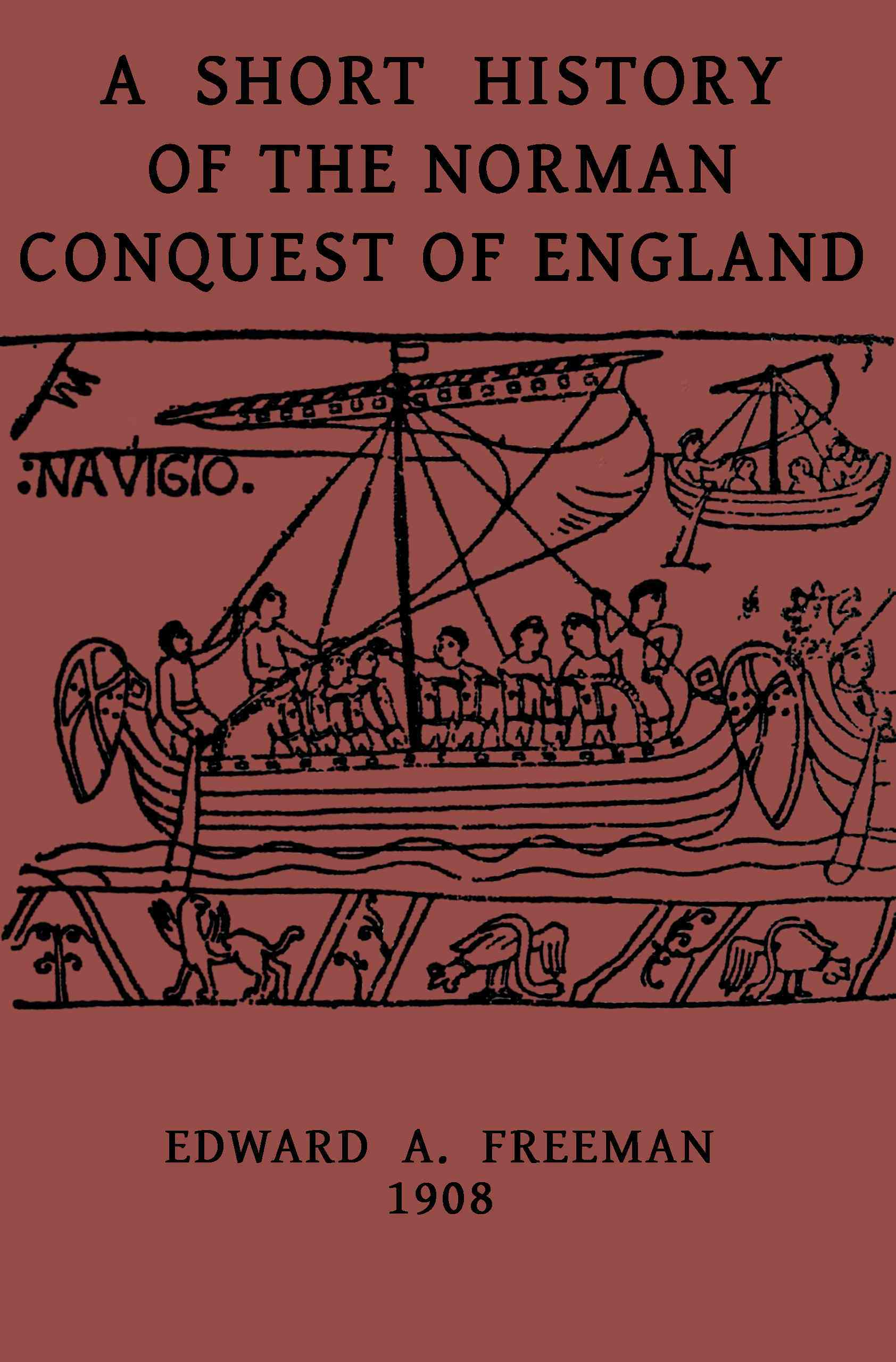
A Short History of the Norman Conquest of England
1880
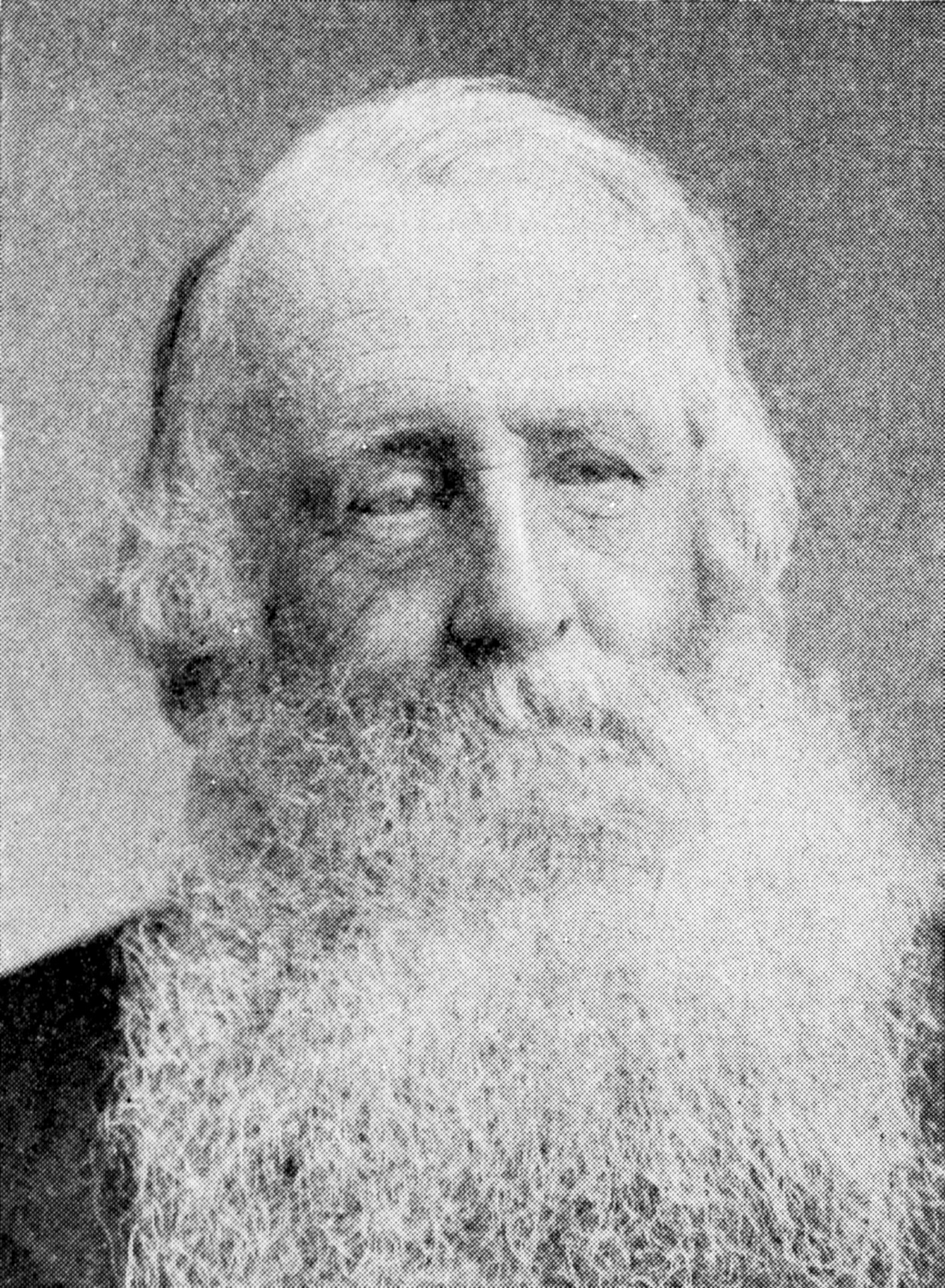
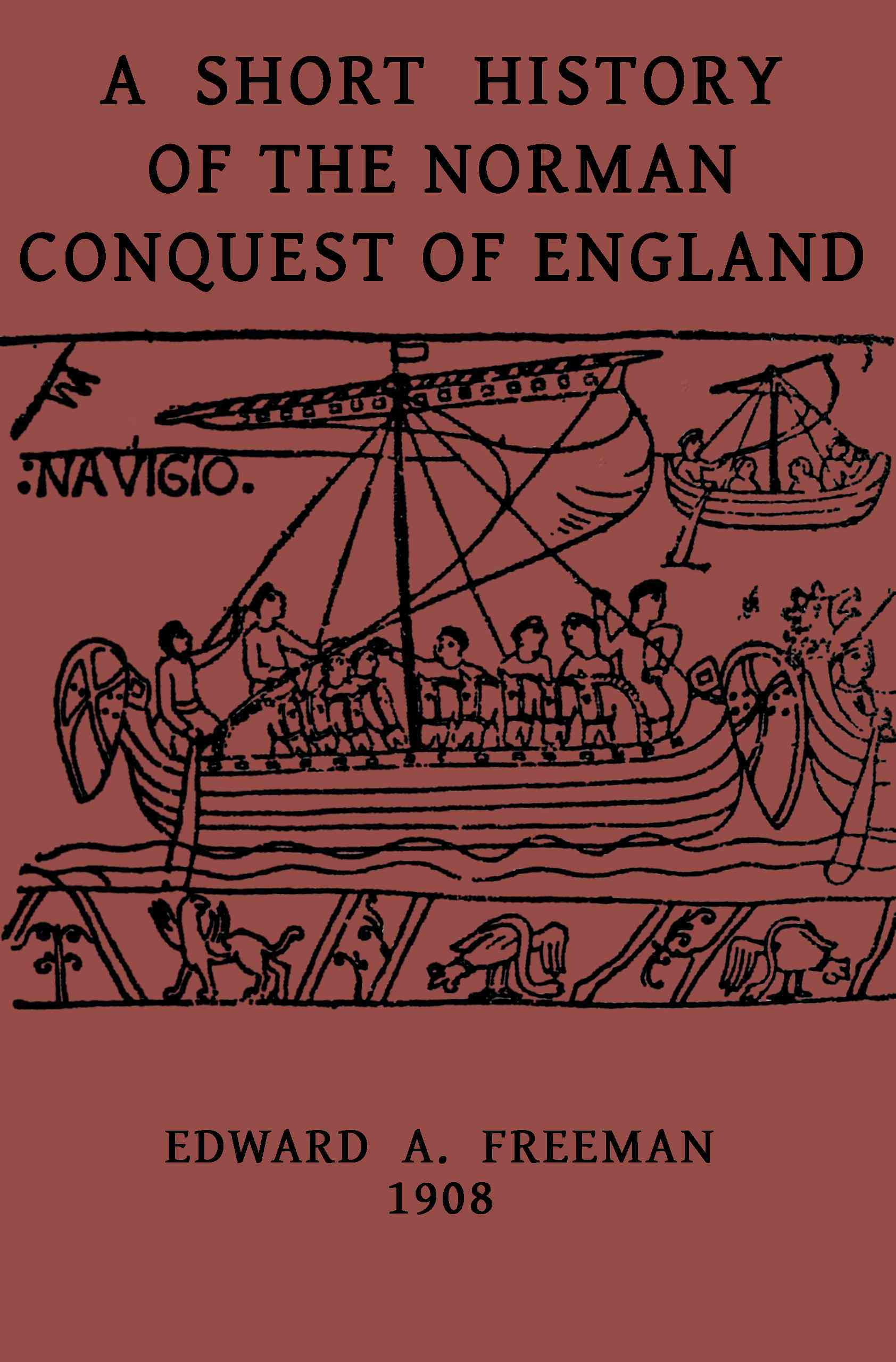
A Short History of the Norman Conquest of England, published in 1880 by Edward A. Freeman, provides a concise overview of the pivotal events surrounding the Norman invasion of 1066. Freeman examines the sociopolitical changes that followed William the Conqueror's ascension to the English throne, detailing the transformation of England from an Anglo-Saxon kingdom to a Norman one. This work is a shortened version of Freeman's extensive six-volume study, recognized for its scholarly insights despite criticism for its Whig perspective. Freeman, a noted historian and Regius Professor at Oxford, draws on his expertise in languages and archaeology to analyze the lasting impact of the conquest on English identity and governance.
Editions
X-Ray
The central figure who conquers England in 1066. Born illegitimate son of Duke Robert, he becomes a skilled military leader and ruler who transforms England while claiming legal right to the throne.
Earl of Wessex who becomes the last Anglo-Saxon king of England. A capable military leader who defeats Harald Hardrada but falls to William at Hastings.
The pious but weak last king of the House of Wessex. His Norman sympathies and childless marriage create the succession crisis that leads to 1066.
Powerful Earl of Wessex and father of Harold. The most influential English nobleman who shapes politics through Edward's reign until his death in 1053.
About A Short History of the Norman Conquest of England
Chapter Summaries
- 1
- Freeman defines the Norman Conquest as the series of events that placed a Norman duke on England's throne and explains the different types of conquest. He outlines his approach to telling this transformative story.
- 2
- Traces the settlement of both English and Normans in their respective lands, the Danish invasions of England, and the establishment of Normandy under Rolf in 912.
- 3
- Describes the first connections between England and Normandy through Emma's marriage to Æthelred, the Danish conquest under Cnut, and Emma's second marriage.
Key Themes
- Legitimacy and Legal Right
- William's claim to rule England through alleged promises and oaths versus Harold's election by the Witan. The tension between different concepts of legitimate succession shapes the entire narrative.
- Cultural Transformation
- The gradual blending of Norman and English peoples, languages, and customs. Freeman shows how conquest leads not to replacement but to synthesis of two cultures.
- Continuity vs. Change
- Despite dramatic political upheaval, English institutions and laws largely continue under new management. The Conquest preserves rather than destroys English traditions.
Characters
- William Duke of Normandy (William the Conqueror)(protagonist)
- The central figure who conquers England in 1066. Born illegitimate son of Duke Robert, he becomes a skilled military leader and ruler who transforms England while claiming legal right to the throne.
- Harold Godwinson (Harold II)(antagonist)
- Earl of Wessex who becomes the last Anglo-Saxon king of England. A capable military leader who defeats Harald Hardrada but falls to William at Hastings.
- Edward the Confessor(major)
- The pious but weak last king of the House of Wessex. His Norman sympathies and childless marriage create the succession crisis that leads to 1066.
- Earl Godwine(major)
- Powerful Earl of Wessex and father of Harold. The most influential English nobleman who shapes politics through Edward's reign until his death in 1053.
- Harald Hardrada(major)
- King of Norway and legendary warrior who invades England in 1066. Dies at Stamford Bridge, weakening Harold's forces before Hastings.
- Tostig Godwinson(major)
- Earl of Northumbria and Harold's brother who becomes his bitter enemy. His rebellion and alliance with Harald Hardrada contributes to Harold's downfall.
Link to this book
Add a free, dofollow link to Lex on your blog, forum, syllabus, or reading list.

<a href="https://lex-books.com/book/a-short-history-of-the-norman-conquest-of-england-f4866d9d-1f5f-4d5f-972f-15a7bc3367d2"><img src="https://lex-books.com/badges/read-on-lex.svg" alt="Read A Short History of the Norman Conquest of England by Edward A. Freeman free on Lex" width="160" height="40"></a>[](https://lex-books.com/book/a-short-history-of-the-norman-conquest-of-england-f4866d9d-1f5f-4d5f-972f-15a7bc3367d2)[url=https://lex-books.com/book/a-short-history-of-the-norman-conquest-of-england-f4866d9d-1f5f-4d5f-972f-15a7bc3367d2][img]https://lex-books.com/badges/read-on-lex.svg[/img][/url]Read A Short History of the Norman Conquest of England by Edward A. Freeman free on Lex: https://lex-books.com/book/a-short-history-of-the-norman-conquest-of-england-f4866d9d-1f5f-4d5f-972f-15a7bc3367d2Cite this book
Reading this edition for a paper or guide? Copy a citation.
Freeman, Edward A.. A Short History of the Norman Conquest of England. Lex, lex-books.com/book/a-short-history-of-the-norman-conquest-of-england-f4866d9d-1f5f-4d5f-972f-15a7bc3367d2.Freeman, E. A. (1880). A Short History of the Norman Conquest of England. Lex. https://lex-books.com/book/a-short-history-of-the-norman-conquest-of-england-f4866d9d-1f5f-4d5f-972f-15a7bc3367d2Freeman, Edward A.. A Short History of the Norman Conquest of England. Lex. https://lex-books.com/book/a-short-history-of-the-norman-conquest-of-england-f4866d9d-1f5f-4d5f-972f-15a7bc3367d2.