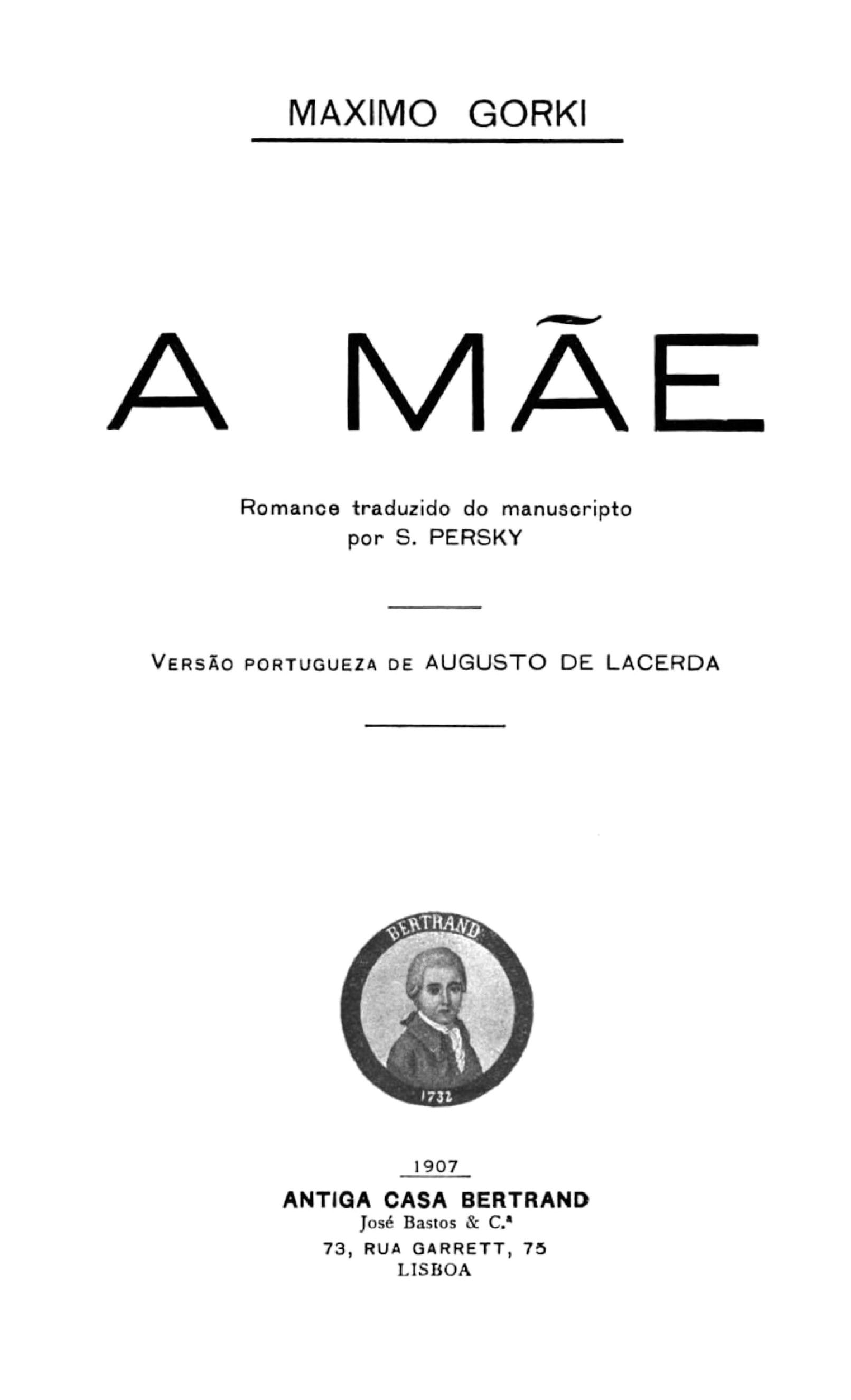
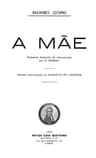
A Mãe
1906
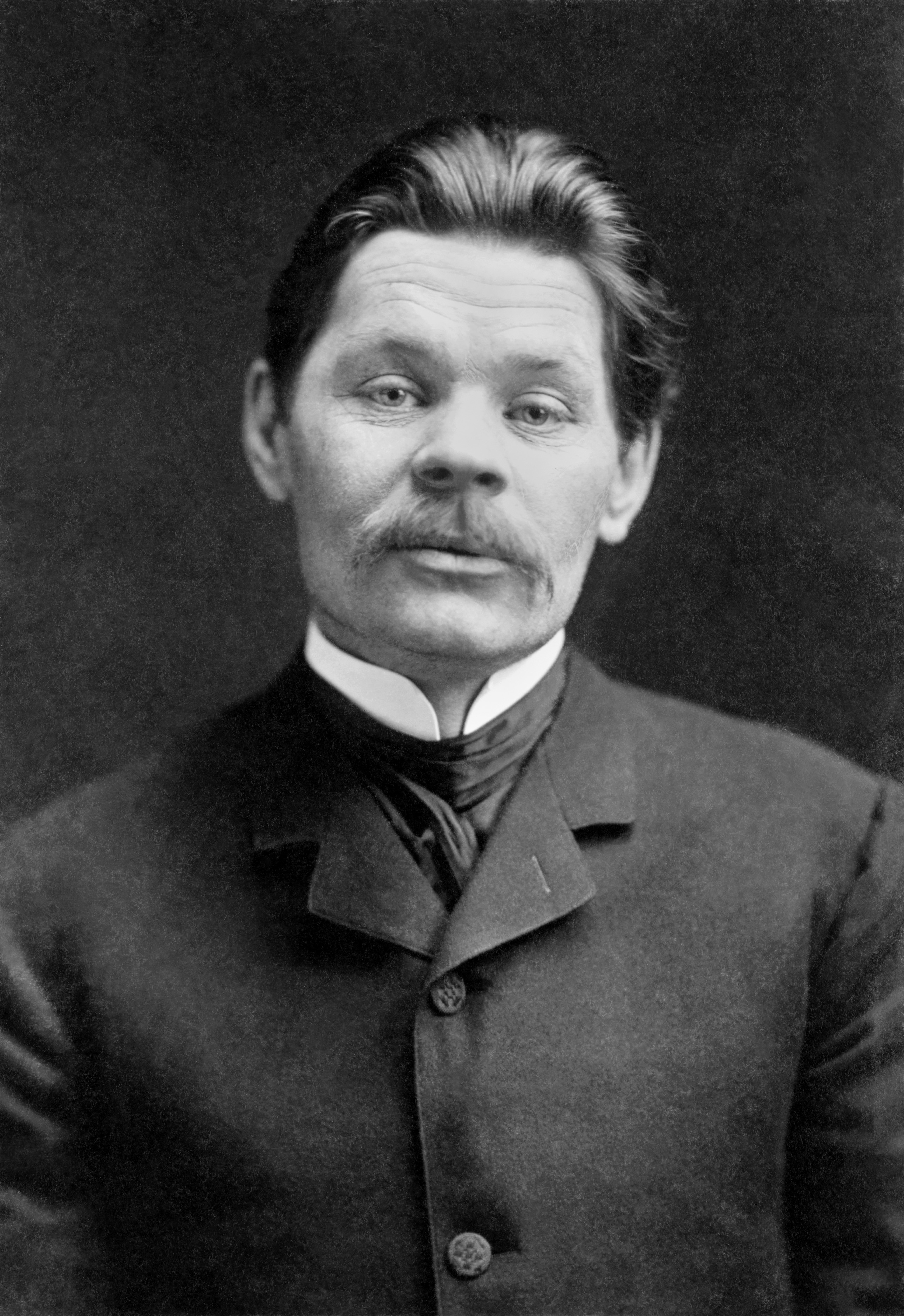
The novel opens on a mother watching her son read a forbidden book. This single moment contains the entire revolution. Pelagea Vlasova has spent forty years in the gray haze of a Russian industrial town, beaten by her husband, silenced by poverty, finding meaning only in her son Pavel. When Pavel brings home ideas, dangerous ideas about workers' rights and resistance, something dormant in Pelagea begins to stir. What begins as a mother's protective fear becomes something fiercer: understanding, then conviction, then action. Gorky wrote this novel in 1906, in the heat of revolutionary Russia, and it became the blueprint for Socialist Realism. But what endures is not the ideology. It is the intimate, almost unbearable drama of a woman discovering her own agency for the first time. The factory smoke, the brutal poverty, the small acts of defiance all serve one purpose: to show how a life can transform from silence to thunder. This is a book about how consciousness arrives, and what it costs to act on it.
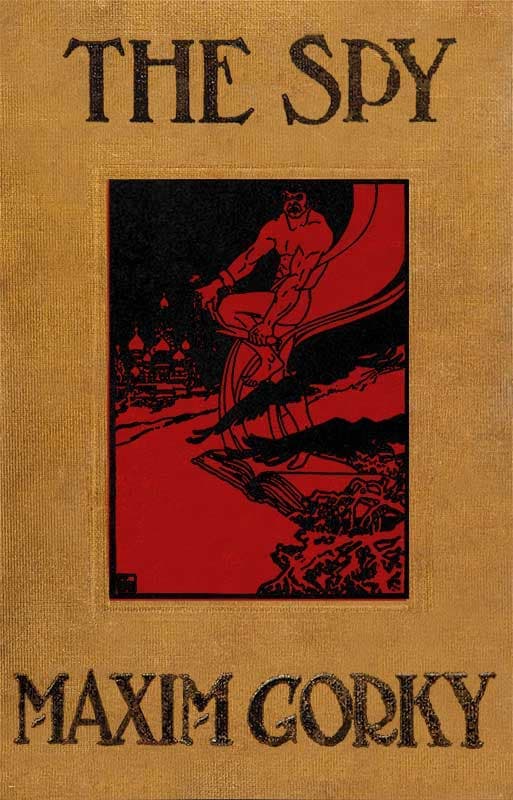
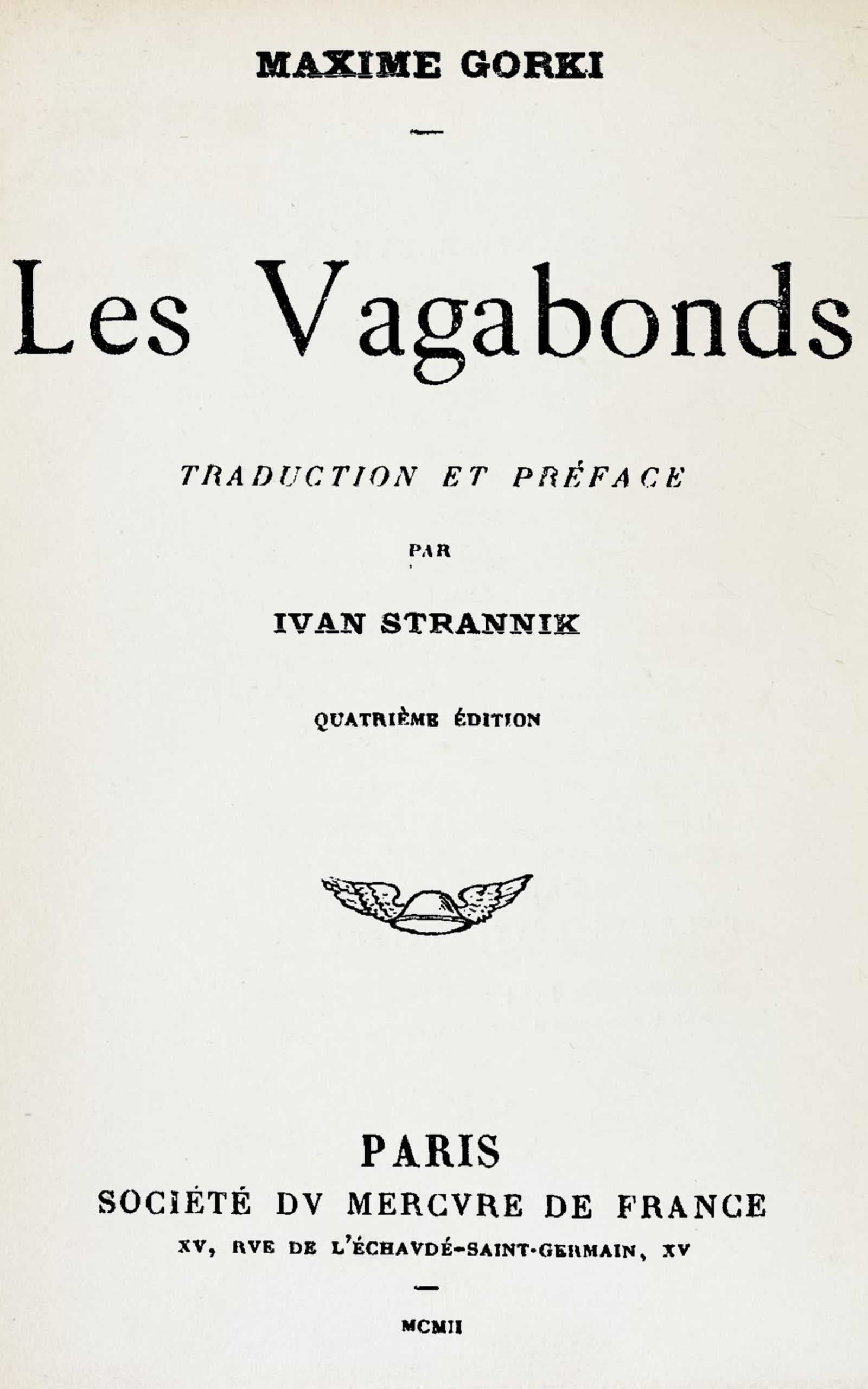
Editions
X-Ray
“This fear is what is the ruin of us all. And some dominate us; they take advantage of our fear and frighten us still more. Mark this: as long as people are afraid, they will rot like the birches in the marsh. We must grow bold; it is time!””
— Maksim Gorky
“إن الكنائس في المدن الكبيرة مليئة بالفضة والذهب اللذين لا حاجة لله بهما ، في حين يرتجف على ابواب الكنائس عدد لا يحصى من الفقراء ينتظرون بفارغ الصبر هبات نحيلة تُلقى في أيديهم المفتوحة.””
— Maksim Gorky
“The poor people are stupid from poverty, and the rich from greed.””
— Maksim Gorky
“in music one can hear everything.””
— Maksim Gorky
“The pleasure of living carries with it the obligation to die.””
— Maksim Gorky
“we people at the bottom feel everything; but it is hard for us to speak out our hearts. our thoughts float about in us. we are ashamed because, although we understand, we are not able to express them; an often from shame we are angry at our thoughts, and at those who inspire them. we drive them away from ourselves””
— Maksim Gorky
Link to this book
Add a free, dofollow link to Lex on your blog, forum, syllabus, or reading list.

<a href="https://lex-books.com/book/a-m-e-3bcd93a6-d37c-4b96-9043-f5b184ee5fc0"><img src="https://lex-books.com/badges/read-on-lex.svg" alt="Read A Mãe by Maksim Gorky free on Lex" width="160" height="40"></a>[](https://lex-books.com/book/a-m-e-3bcd93a6-d37c-4b96-9043-f5b184ee5fc0)[url=https://lex-books.com/book/a-m-e-3bcd93a6-d37c-4b96-9043-f5b184ee5fc0][img]https://lex-books.com/badges/read-on-lex.svg[/img][/url]Read A Mãe by Maksim Gorky free on Lex: https://lex-books.com/book/a-m-e-3bcd93a6-d37c-4b96-9043-f5b184ee5fc0Cite this book
Reading this edition for a paper or guide? Copy a citation.
Gorky, Maksim. A Mãe. Lex, lex-books.com/book/a-m-e-3bcd93a6-d37c-4b96-9043-f5b184ee5fc0.Gorky, M. (1906). A Mãe. Lex. https://lex-books.com/book/a-m-e-3bcd93a6-d37c-4b96-9043-f5b184ee5fc0Gorky, Maksim. A Mãe. Lex. https://lex-books.com/book/a-m-e-3bcd93a6-d37c-4b96-9043-f5b184ee5fc0.