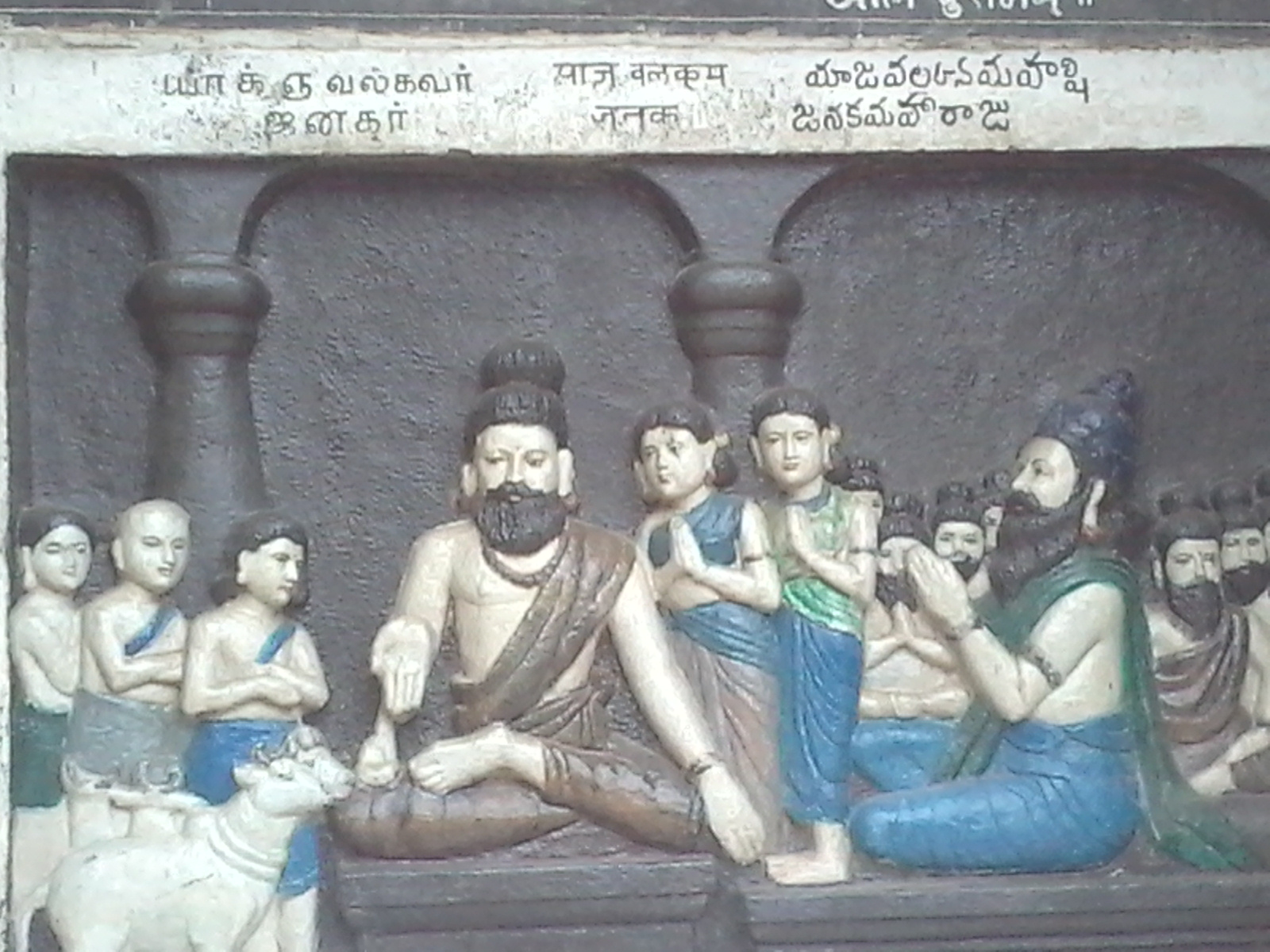
Yajñavalkya
Yajñavalkya was an influential figure in ancient Indian philosophy and jurisprudence, best known for his contributions to the Dharmaśāstra, a body of Hindu law. His work, 'Hindu Law and Judicature from the Dharma-Sástra of Yájnavalkya,' outlines principles of law and ethics that have shaped Hindu legal traditions. Yajñavalkya's teachings emphasize the importance of dharma, or moral duty, and the role of law in maintaining social order. His perspectives on justice and morality reflect the complexities of human behavior and societal norms in ancient India. As a sage and philosopher, Yajñavalkya is often associated with the Brihadaranyaka Upanishad, where he engages in profound dialogues on metaphysics and the nature of reality. His contributions extend beyond legal texts, influencing various aspects of Hindu thought, including ethics and spirituality. Yajñavalkya's legacy endures in the continued study of Dharmaśāstra and its relevance to contemporary discussions on law and morality in India, marking him as a pivotal figure in the history of Indian philosophy and legal thought.
Books from the author







Link to this page
Add a free, dofollow link to Lex on your blog, forum, syllabus, or reading list.

<a href="https://lex-books.com/author/yajñavalkya"><img src="https://lex-books.com/badges/read-on-lex.svg" alt="Yajñavalkya on Lex" width="160" height="40"></a>[](https://lex-books.com/author/yajñavalkya)[url=https://lex-books.com/author/yajñavalkya][img]https://lex-books.com/badges/read-on-lex.svg[/img][/url]Yajñavalkya on Lex: https://lex-books.com/author/yajñavalkya