
Wilson Tucker
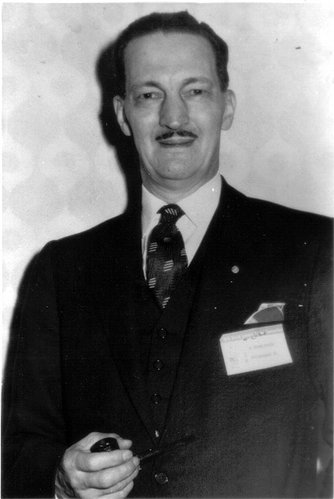
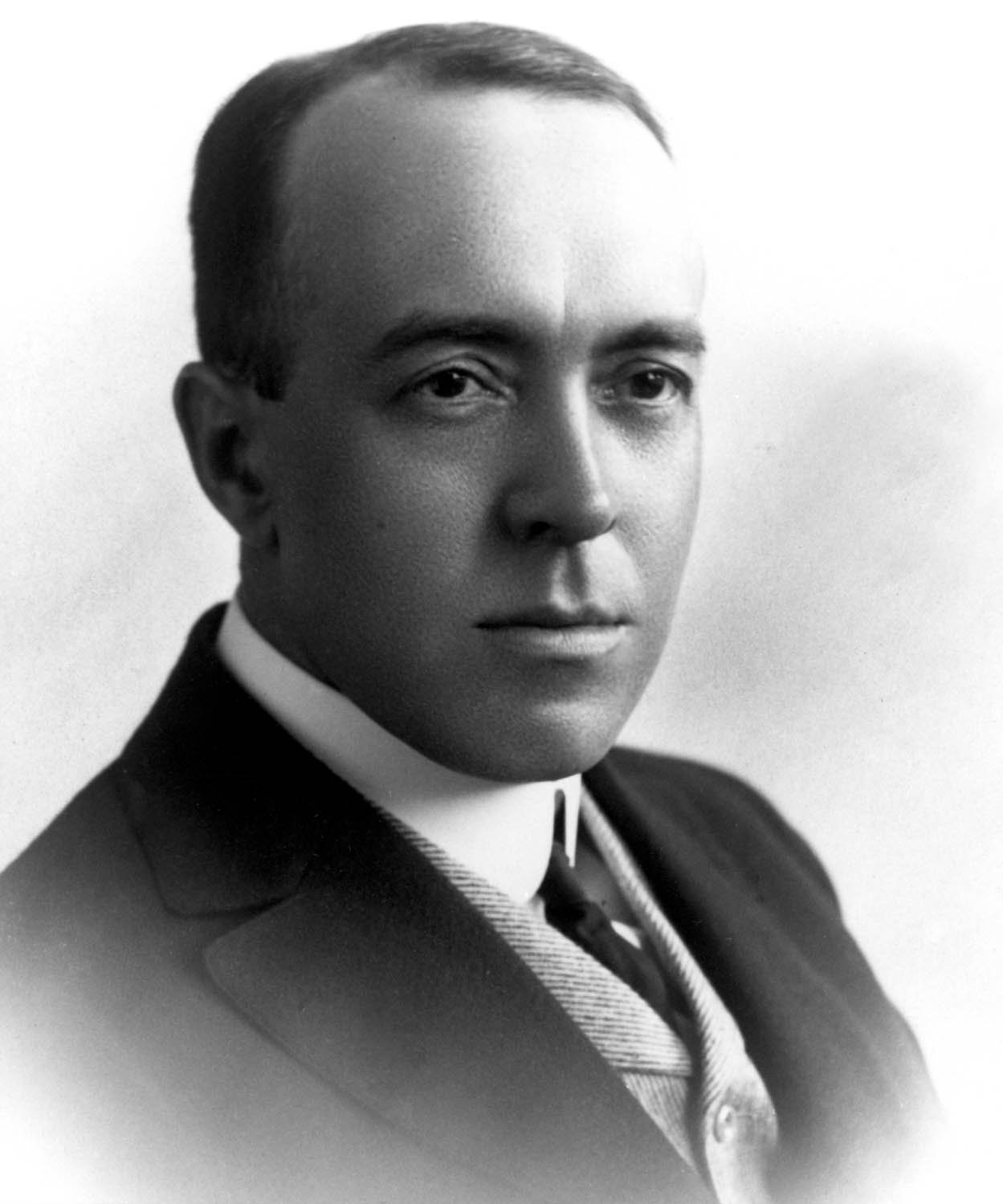
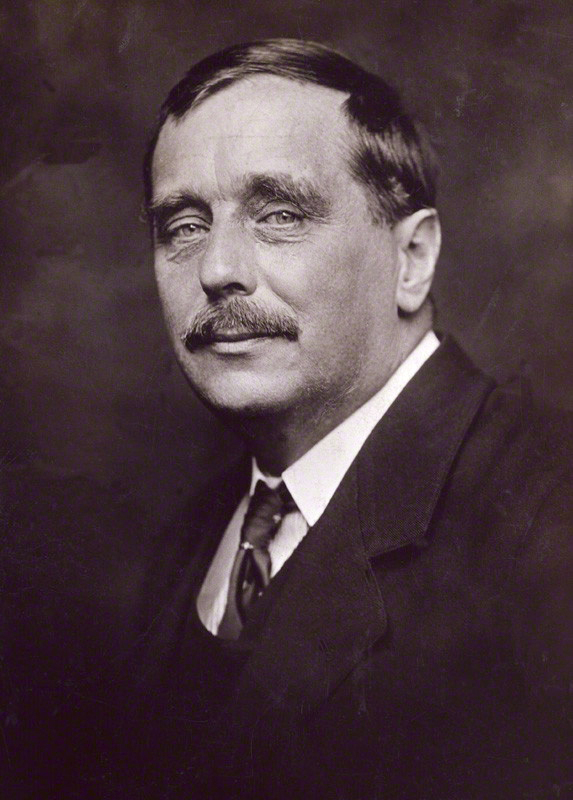
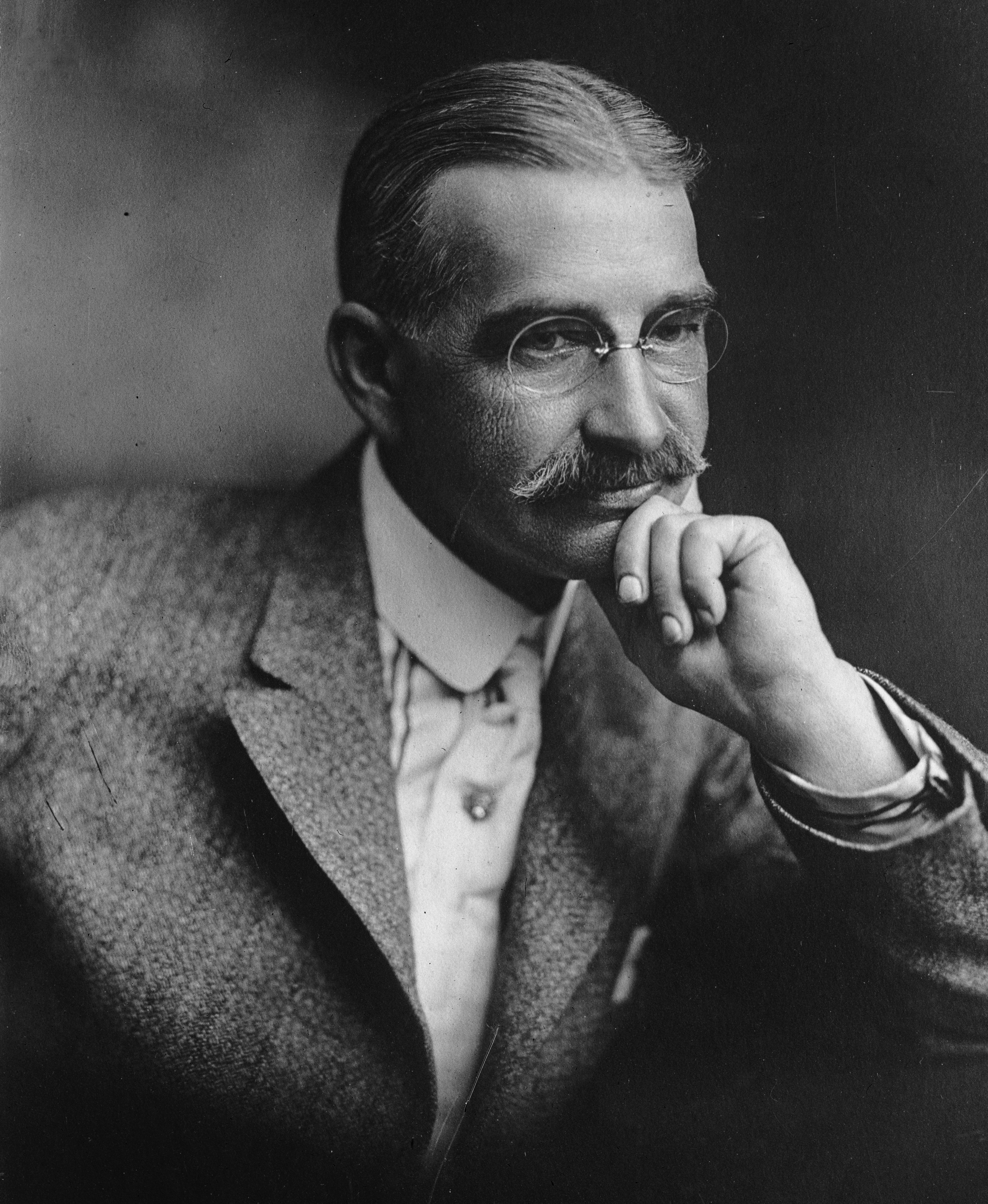
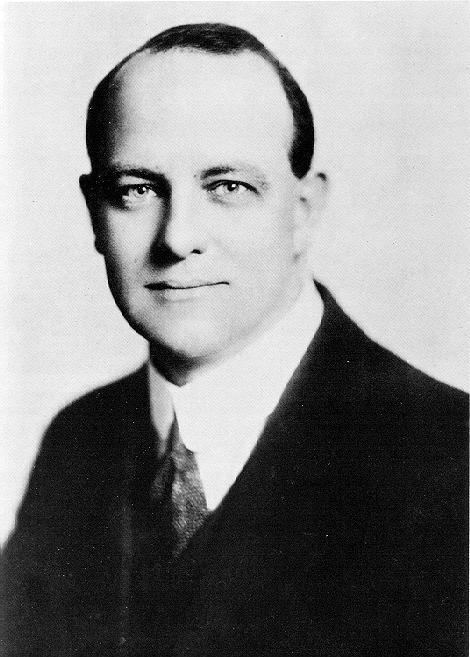
Wilson Tucker was an influential American science fiction writer known for his innovative storytelling and exploration of complex themes. Born in 1914, he began his writing career in the 1940s, contributing to various pulp magazines before establishing himself as a significant figure in the genre. Tucker's work often delved into the implications of technology and the human condition, with notable titles such as 'The Long Loud Silence' and 'The Year of the Quiet Sun.' His narratives frequently challenged societal norms and examined the consequences of scientific advancement, making him a precursor to many contemporary science fiction themes. Tucker was also a key figure in the science fiction community, serving as a founding member of the Science Fiction and Fantasy Writers of America. His contributions extended beyond writing, as he was an advocate for the genre and its writers. His legacy is marked by his ability to blend imaginative concepts with thought-provoking commentary, influencing a generation of writers and readers alike. Tucker's work remains a testament to the power of science fiction to reflect and interrogate the complexities of modern life.
Famous Quotes
View all 2 quotes“I am plum tuckered on Monday morning. I face ample temptation to wallow. But Jesus promises rest. I may be a shell of a pastor at this time each week, but God is no less God. His might is no less mighty. His gospel is no less power. His reach is no less infinite. His grace is no less everlasting. His lovingkindness is no less enduring.””
“And then, Joyce's experiments with language in Ulysses and Finnegans Wake. And Korzybski's Science and Sanity, which encouraged me in my Joycean tendency to suspect that language is full of traps and it's the job of the writer to find his way around the traps in language and not just fall into them. I think there are two types of writers--those who are aware of the traps in language and try to avoid them--not always successfully. We're not all geniuses, we make mistakes. And the second type is those who aren't aware of the traps and fall into them on one page after another. Tucker was aware of that too--the traps in language. So Nietzsche, Tucker, Joyce, and Korzybski have all influenced me to look at language in a peculiar way. I see language as a means of human liberation, potentially--and the main mechanism of human slavery most of the time. It depends on how you use language.””
Books from the author





Link to this page
Add a free, dofollow link to Lex on your blog, forum, syllabus, or reading list.

<a href="https://lex-books.com/author/wilson-tucker"><img src="https://lex-books.com/badges/read-on-lex.svg" alt="Wilson Tucker on Lex" width="160" height="40"></a>[](https://lex-books.com/author/wilson-tucker)[url=https://lex-books.com/author/wilson-tucker][img]https://lex-books.com/badges/read-on-lex.svg[/img][/url]Wilson Tucker on Lex: https://lex-books.com/author/wilson-tucker