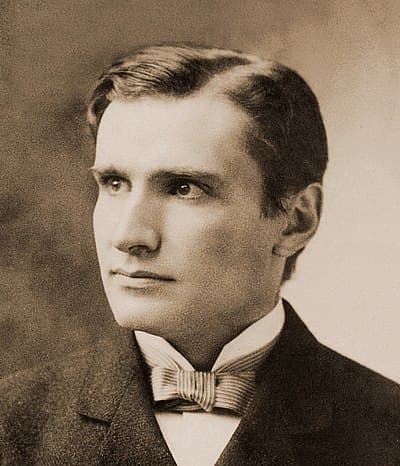
Walter Damrosch
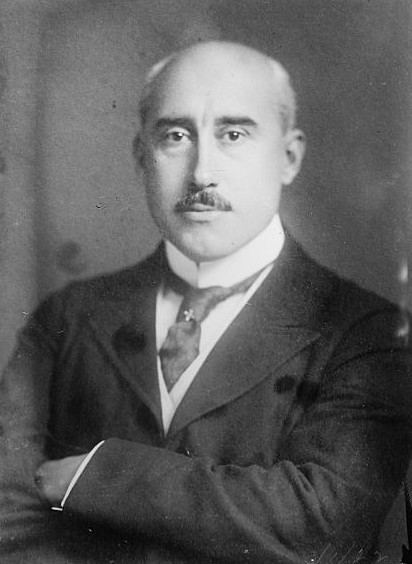
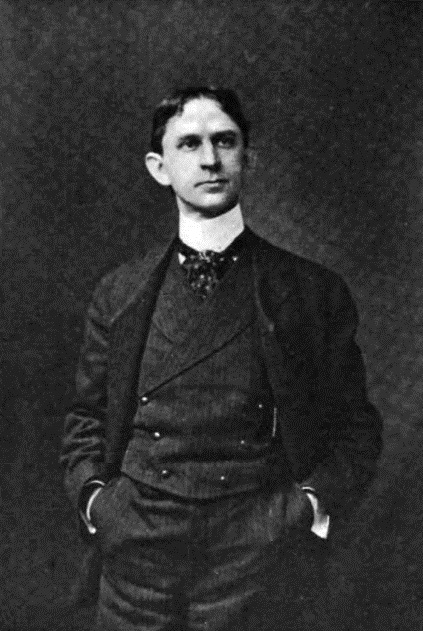
Walter Damrosch was a prominent Prussian-born American conductor and composer who played a pivotal role in the development of American classical music in the early 20th century. He served as the director of the New York Symphony Orchestra, where he was known for his dynamic conducting style and innovative programming. Damrosch was responsible for the world premieres of several significant works, including Aaron Copland's Symphony for Organ and Orchestra, George Gershwin's Piano Concerto in F and An American in Paris, and Jean Sibelius' Tapiola. His contributions extended beyond performance; he was a key figure in the establishment of Carnegie Hall, which became a central hub for musical performances in New York City. In addition to his conducting achievements, Damrosch made history by conducting the first performance of Sergei Rachmaninoff's Piano Concerto No. 3, featuring the composer as the soloist. His influence on American music was profound, as he championed the works of contemporary composers and helped to elevate the status of orchestral music in the United States. Through his artistic vision and dedication, Damrosch left an enduring legacy that shaped the landscape of American classical music, inspiring future generations of musicians and conductors.
Audiobooks from the author



Link to this page
Add a free, dofollow link to Lex on your blog, forum, syllabus, or reading list.

<a href="https://lex-books.com/author/walter-damrosch"><img src="https://lex-books.com/badges/read-on-lex.svg" alt="Walter Damrosch on Lex" width="160" height="40"></a>[](https://lex-books.com/author/walter-damrosch)[url=https://lex-books.com/author/walter-damrosch][img]https://lex-books.com/badges/read-on-lex.svg[/img][/url]Walter Damrosch on Lex: https://lex-books.com/author/walter-damrosch