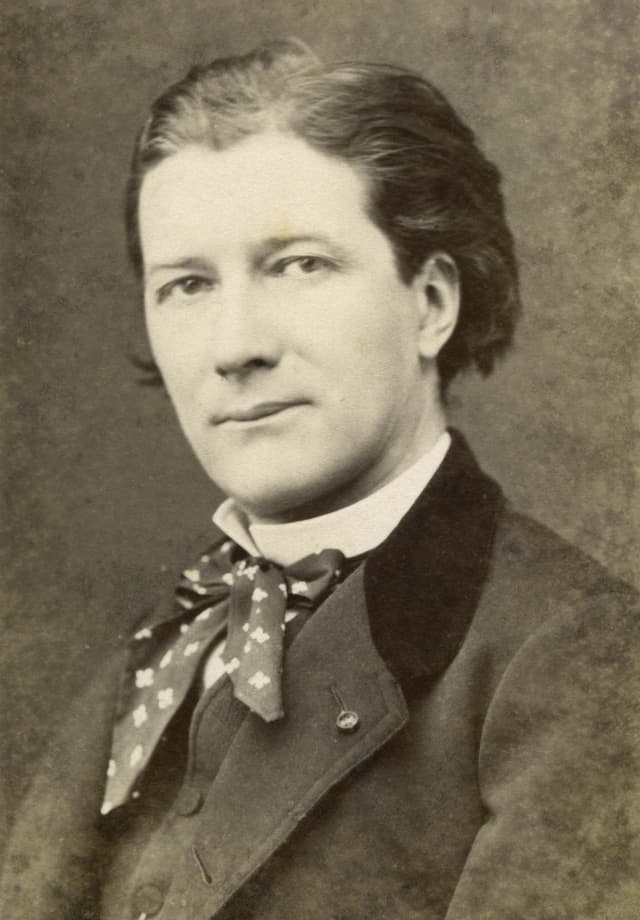
Victorien Sardou
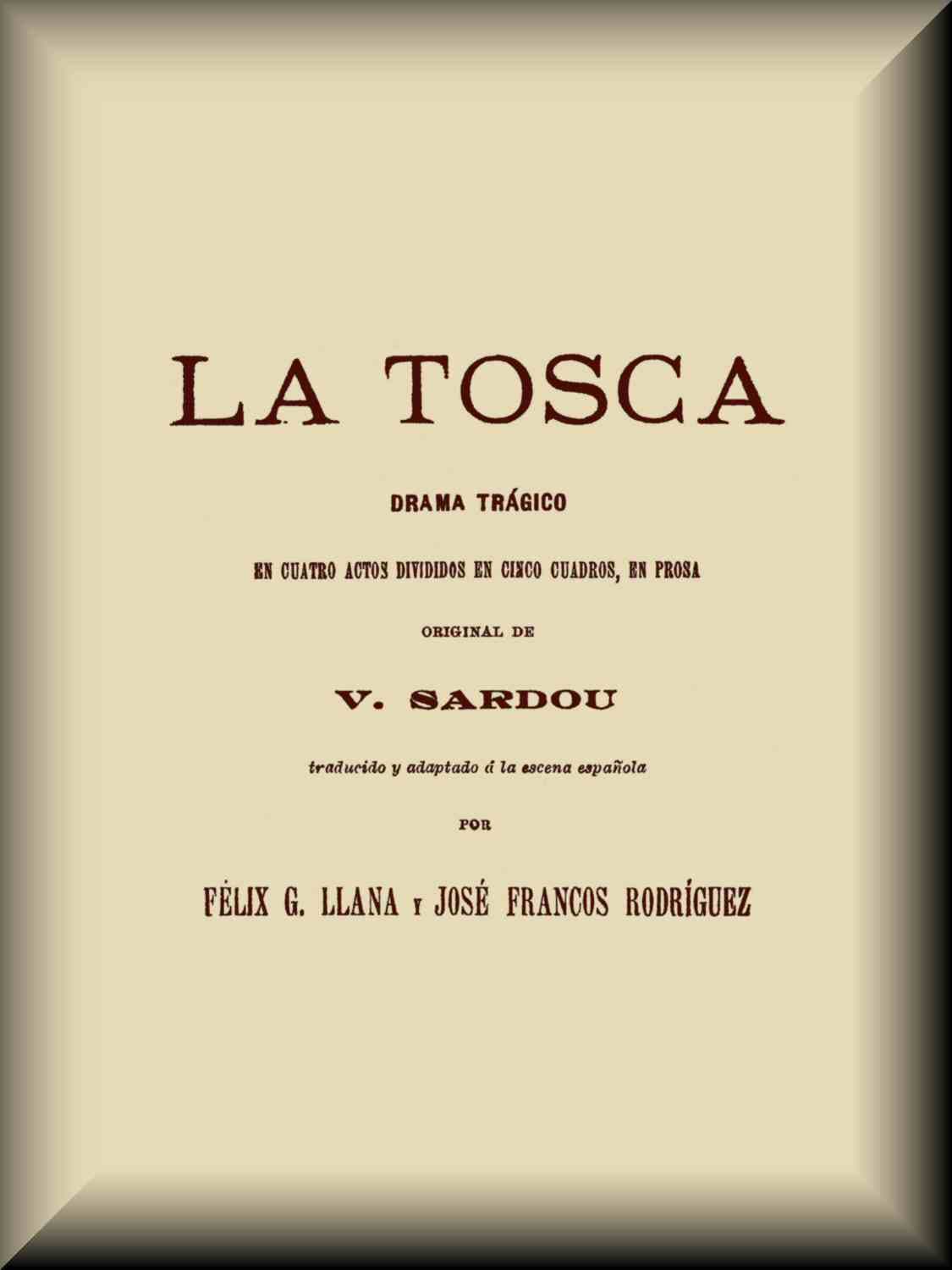
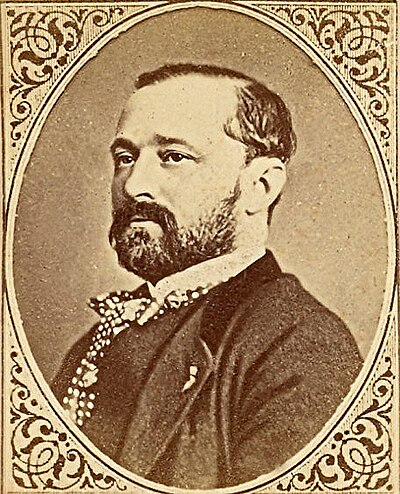
Victorien Sardou was a prominent French dramatist known for his significant contributions to the genre of the well-made play, a form he developed alongside Eugène Scribe. His works were characterized by intricate plots and well-defined characters, which set the standard for theatrical storytelling in the 19th century. Among his most notable plays are 'La Tosca,' which inspired Giacomo Puccini's famous opera of the same name, as well as 'Fédora' and 'Madame Sans-Gêne,' both of which were later adapted into operas by other composers. Sardou's ability to blend dramatic tension with popular appeal made his plays a staple of the theatrical repertoire during his lifetime. Sardou's legacy extends beyond his own writings; he played a crucial role in shaping modern drama and influenced a generation of playwrights. His works often explored themes of love, ambition, and societal constraints, reflecting the complexities of human emotion and interaction. Despite being overshadowed by contemporaries such as Molière and Racine, Sardou's impact on the theatrical landscape remains significant, particularly in the realm of opera, where his narratives continue to resonate. His innovative approach to playwriting and his ability to captivate audiences solidified his place in the history of French theatre.
Books from the author

Link to this page
Add a free, dofollow link to Lex on your blog, forum, syllabus, or reading list.

<a href="https://lex-books.com/author/victorien-sardou"><img src="https://lex-books.com/badges/read-on-lex.svg" alt="Victorien Sardou on Lex" width="160" height="40"></a>[](https://lex-books.com/author/victorien-sardou)[url=https://lex-books.com/author/victorien-sardou][img]https://lex-books.com/badges/read-on-lex.svg[/img][/url]Victorien Sardou on Lex: https://lex-books.com/author/victorien-sardou