Thomas Inman
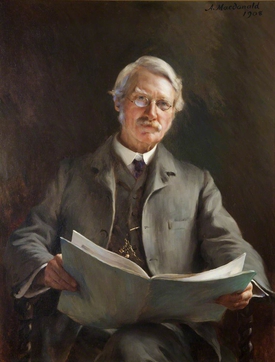
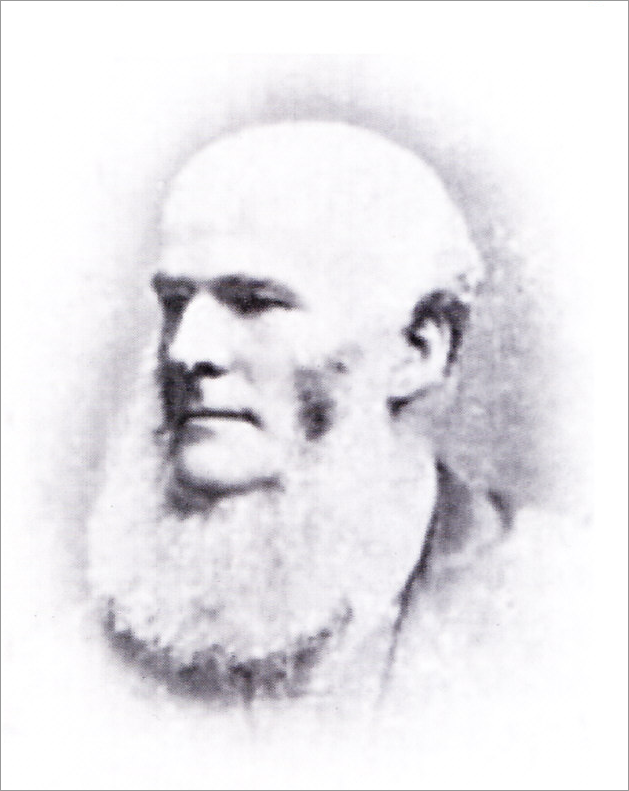
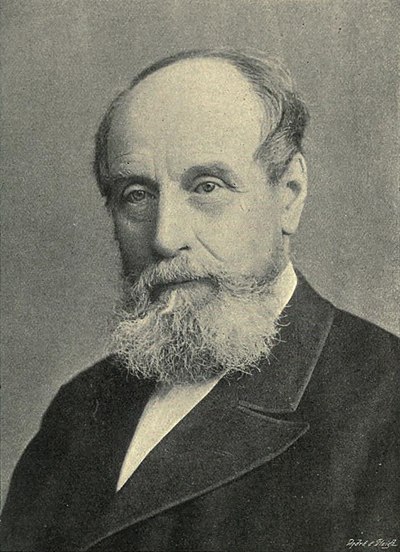
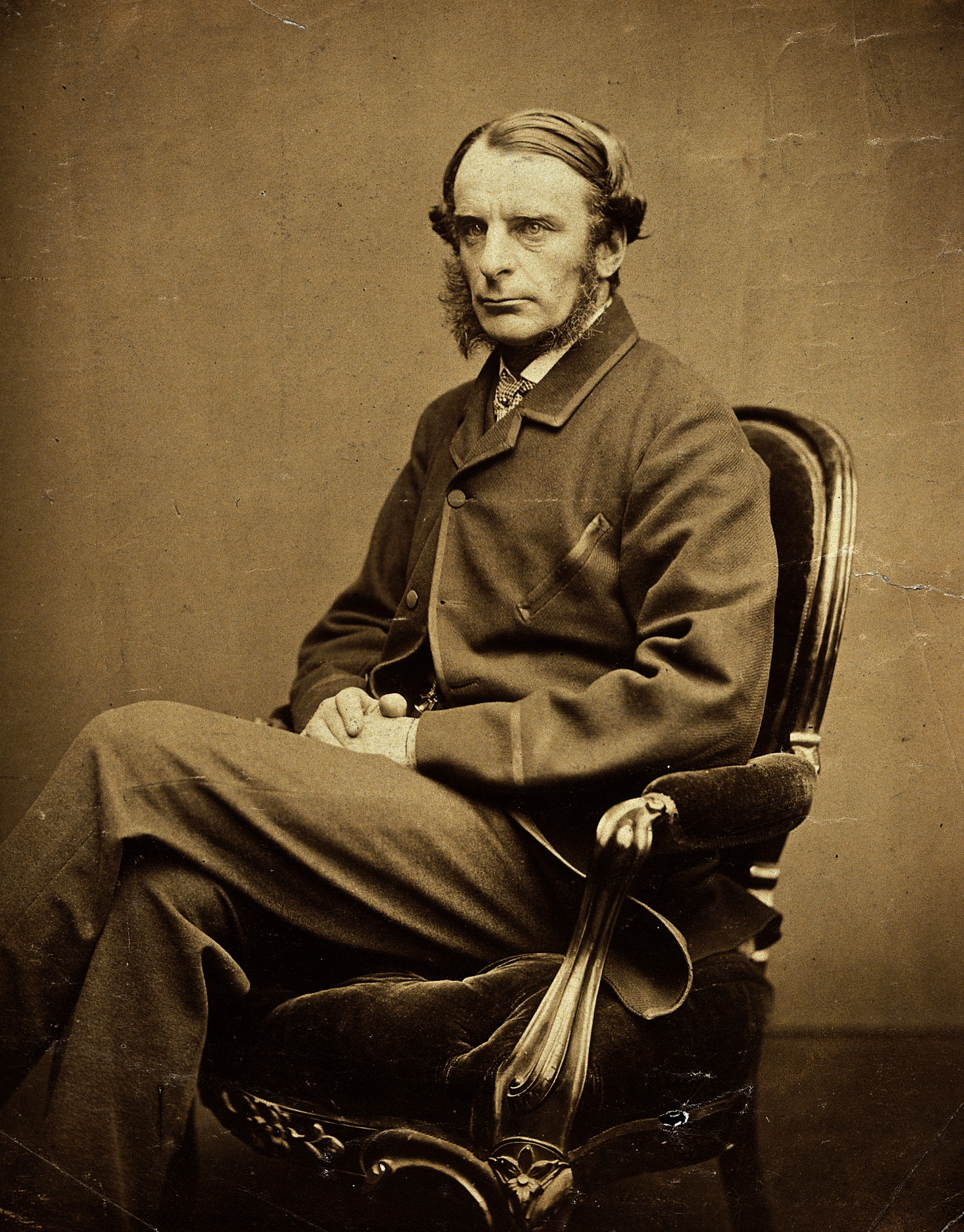
Thomas Inman was a notable figure in the medical community of the 19th century, serving as a house-surgeon at the Liverpool Royal Infirmary. His contributions to medical literature included numerous published papers that reflected his deep engagement with both medicine and the broader cultural implications of health and symbolism. Inman was also an amateur mythologist, whose interests extended beyond the clinical to the symbolic meanings embedded in various cultural practices. His most significant work, "Ancient Pagan and Modern Christian Symbolism," first published in 1869 and revised in 1875, explored the origins of common symbols, many of which have medical connotations. Inman’s examination of these symbols not only provided insight into their historical contexts but also highlighted their continued relevance in contemporary society. His interdisciplinary approach combined elements of medicine, mythology, and cultural studies, marking him as a unique voice in the intellectual landscape of his time. Inman's work remains a valuable resource for understanding the interplay between ancient beliefs and modern practices, solidifying his legacy as a pioneer in the study of symbolism and its implications in both medicine and religion.
Books from the author


Link to this page
Add a free, dofollow link to Lex on your blog, forum, syllabus, or reading list.

<a href="https://lex-books.com/author/thomas-inman"><img src="https://lex-books.com/badges/read-on-lex.svg" alt="Thomas Inman on Lex" width="160" height="40"></a>[](https://lex-books.com/author/thomas-inman)[url=https://lex-books.com/author/thomas-inman][img]https://lex-books.com/badges/read-on-lex.svg[/img][/url]Thomas Inman on Lex: https://lex-books.com/author/thomas-inman