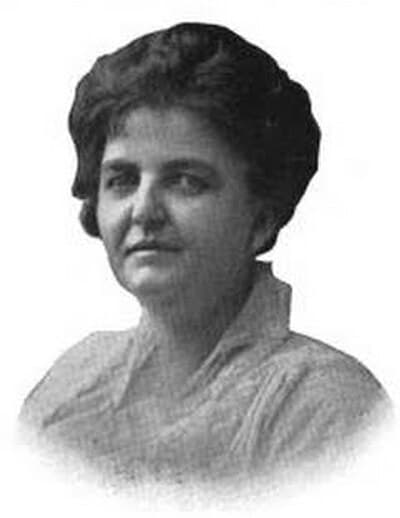
Temple Bailey
Irene Temple Bailey was a prominent American novelist and short story writer whose works gained significant popularity in the early 20th century. Beginning her writing career around 1902, she contributed to a variety of national magazines, including The Saturday Evening Post and Cosmopolitan, establishing herself as a versatile storyteller. Bailey's literary prowess was not limited to short fiction; she also ventured into screenwriting, notably penning the screenplay for the 1914 film Auntie, and saw several of her novels adapted for the screen. Her ability to capture the zeitgeist of her era resonated with readers, leading to three of her novels appearing on Publishers Weekly's bestseller list in the years 1918, 1922, and 1926. Bailey's works often explored themes of romance, social issues, and the complexities of women's lives, reflecting the changing dynamics of American society during her lifetime. Her contributions to literature and film positioned her as a significant figure in early 20th-century American culture, influencing the portrayal of women in both literature and cinema. Temple Bailey's legacy endures through her engaging narratives and her role in shaping the landscape of popular fiction during a transformative period in American history.
Famous Quotes
View all 7 quotes“Miss you?" He grated the incredulous question, dropping his mouth to her temple. "You left me without a soul. I can barely remember the days since you left. They passed without me feeling a single thing. Because you are feeling for me. You're the only thing that keeps me from being numb. Twice in my life you've turned me back into a living, breathing man, and missing you... missing you, Peggy, doesn't even begin to cover it. You revive me.””
“You might have been my first, Kenna, but I’m a grown man with a brain and a heart. And I know it isn’t going to feel like that with just anyone. I know.” His arm tightened around her, crushing her even harder against his body. “Now, you’re going to walk out of here holding my hand.” “I don’t hold hands,” she breathed, staunchly ignoring the flip-flop in her chest cavity. “You hold my hand.” In direct contradiction of his harshly delivered command, he kissed her temple with devastating gentleness. “You hold my hand, darlin’.””
“In ten minutes Peg had returned with a bundle of stuff. She washed her mistress's rat-tails at the stand, and then tucked her back into freshly laundered sheets. Enticing pattern books and journals lay across the coverlet. To Peg's satisfaction, her mistress began to leaf through ."Your hair has a natural wave." Peg snipped at the ends with the scissors from her chatelaine, curling them into charming spirals. "Would you care for this style?" She held up an illustration of the "Grecian Manner", and deftly wound a bandeau of blue ribbon around her mistress's crown and temple. When Mrs. Croxon lifted the mirror, her face softened. She turned her head from left to right, admiring her reflection."Now see that ribbon. That is the color you must have for your new gowns. Forget-me-not, and that pistachio color, they are all fashion. Forget those paces and daffodils.””
Books from the author
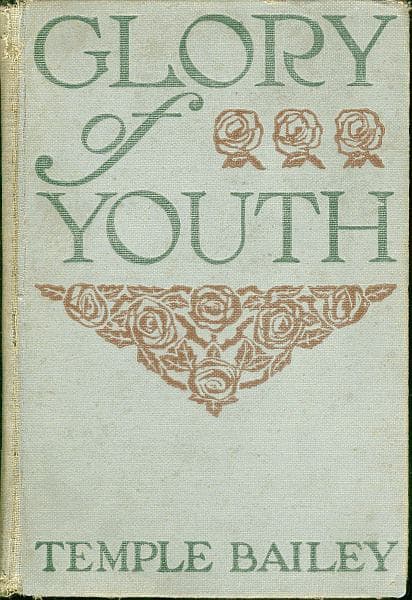




Link to this page
Add a free, dofollow link to Lex on your blog, forum, syllabus, or reading list.

<a href="https://lex-books.com/author/temple-bailey"><img src="https://lex-books.com/badges/read-on-lex.svg" alt="Temple Bailey on Lex" width="160" height="40"></a>[](https://lex-books.com/author/temple-bailey)[url=https://lex-books.com/author/temple-bailey][img]https://lex-books.com/badges/read-on-lex.svg[/img][/url]Temple Bailey on Lex: https://lex-books.com/author/temple-bailey