
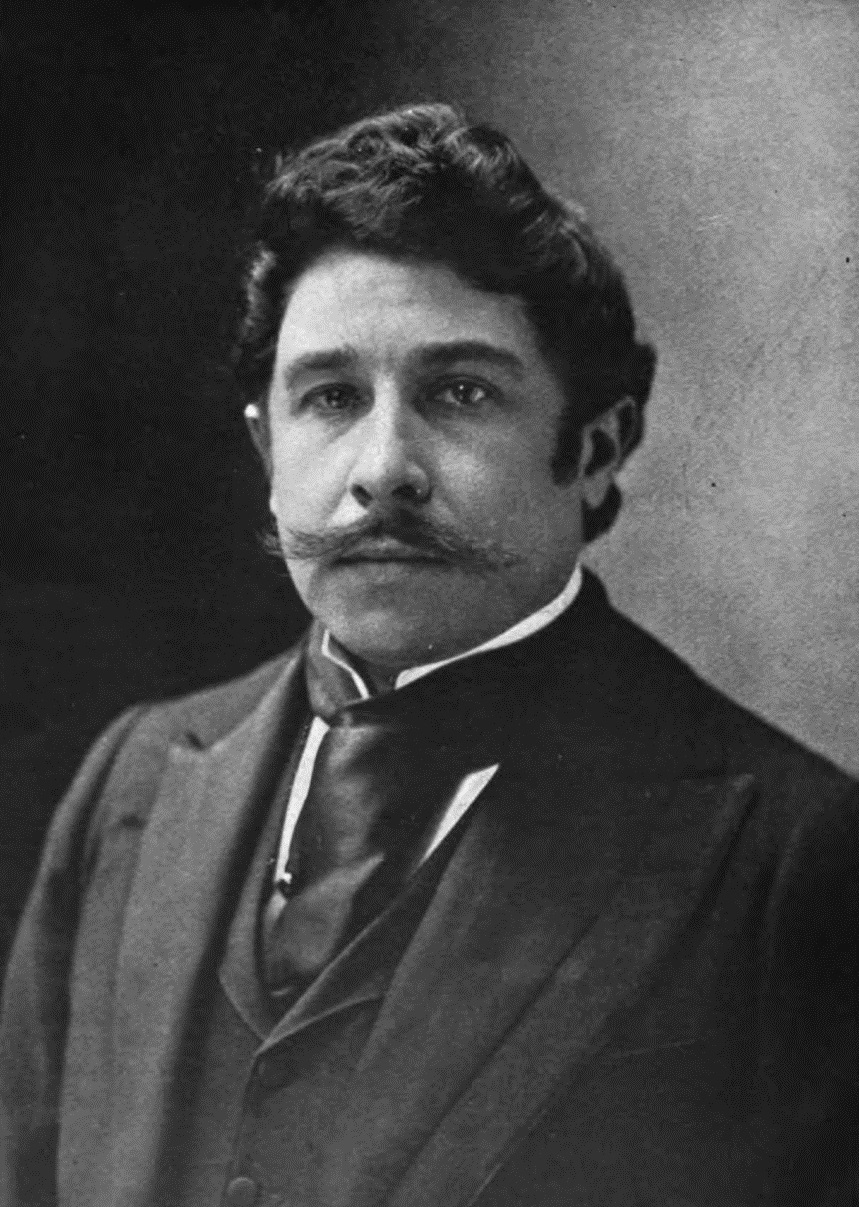
Stanley Lane-Poole
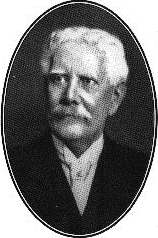
Stanley Edward Lane-Poole was a prominent British orientalist and archaeologist known for his extensive work on Islamic art and architecture. He was educated at the University of Oxford, where he developed a keen interest in the Middle East and its cultures. Lane-Poole's scholarly pursuits led him to travel extensively throughout the Islamic world, where he conducted research that would later inform his writings. His notable works include 'The Story of the Moors in Spain,' which examined the profound impact of Moorish culture on Spanish history, and 'The Art of the Saracens in Egypt,' which explored the artistic achievements of Islamic civilization. Lane-Poole's contributions to the field of oriental studies were significant, as he was among the first to advocate for a deeper understanding of Islamic culture through its art and architecture. His writings not only illuminated the historical context of the regions he studied but also challenged prevailing Western perceptions of the Islamic world. Lane-Poole's legacy endures through his influential texts and his role in shaping the discourse on Islamic art, making him a key figure in the study of Middle Eastern history and culture.
Famous Quotes
View all 3 quotes“ومما يلاحظ على المرأة المصرية , أنها في العادة - أو على الأقل حين تظهر في المجتمعات - متواضعة إلى حد كبير , فهي تختلس نظرة الغريب في سرعة سحرية حتى ولو بدا للجميع أنها تنظر إلى الناحية الآخرى من الطريق , وفي الحال نجدها تحكم وضع النقاب على فمها ورأسها , وإذا ما أتيح لها أن تلقاك وجهًا لوجه , فإنها لا تسبل عينيها الواسعتين كما تفعل الغربيات , وإنما تحولهما عنك في بطء يأخذ بمجامع القلوب.”
“There is no greater mistake than to imagine that the Arabs, who spread with such astonishing rapidity over half the civilized world, were in any real sense a united people. So far was this from being the truth, that it demanded all Mohammed's diplomatic skill, and all his marvellous personal prestige, to keep up a semblance of unity even while he was alive. The Arabs were made up of a number of hostile tribes or clans, many of whom had been engaged in deadly blood-feuds for several generations, and all of whom were moved by a spirit of tribal jealousy which was never entirely extinguished. Had the newly-founded Mohammedan State been restrained within the borders of Arabia, there can be no doubt that it would speedily have collapsed in the rivalry of the several clans;”
“The island of Lesbos has given many gifts to the world—Lesbian wine and Lesbian verse, the seven-stringed lyre, and the poems of Sappho; but of all its products the latest was assuredly the most questionable, for the last great Lesbians were the brothers Barbarossa.”
Books from the author










Link to this page
Add a free, dofollow link to Lex on your blog, forum, syllabus, or reading list.

<a href="https://lex-books.com/author/stanley-lane-poole"><img src="https://lex-books.com/badges/read-on-lex.svg" alt="Stanley Lane-Poole on Lex" width="160" height="40"></a>[](https://lex-books.com/author/stanley-lane-poole)[url=https://lex-books.com/author/stanley-lane-poole][img]https://lex-books.com/badges/read-on-lex.svg[/img][/url]Stanley Lane-Poole on Lex: https://lex-books.com/author/stanley-lane-poole