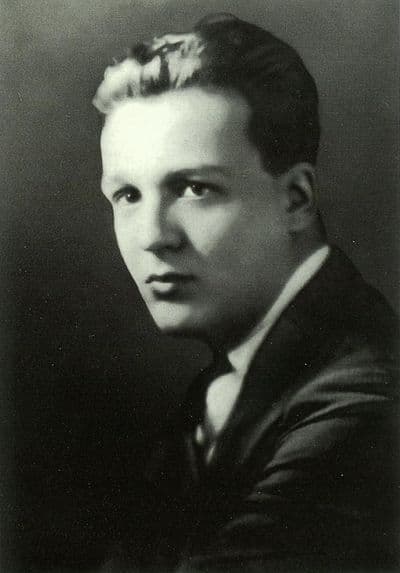
Stanley G. Weinbaum
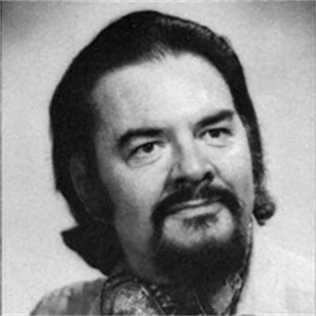
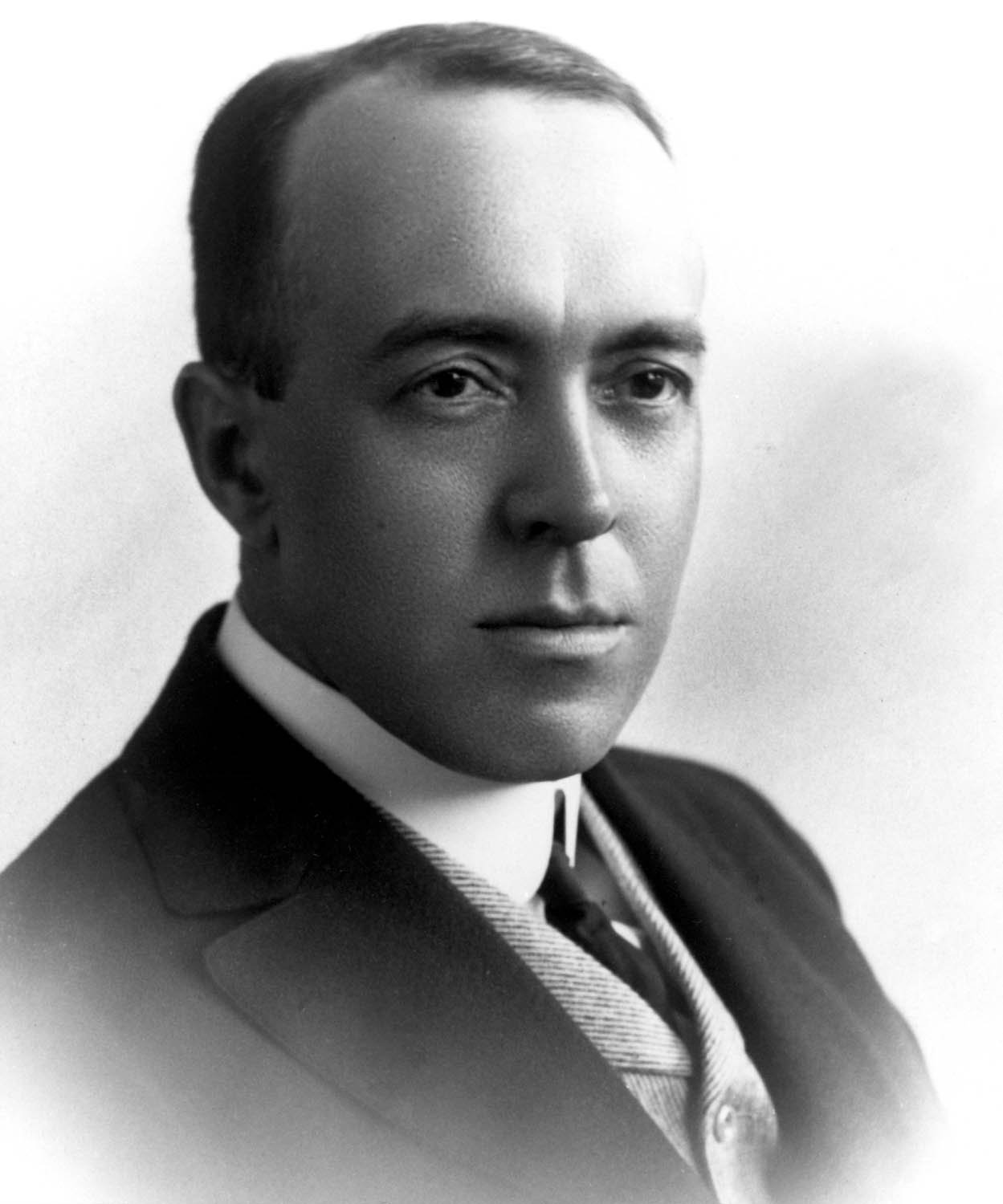
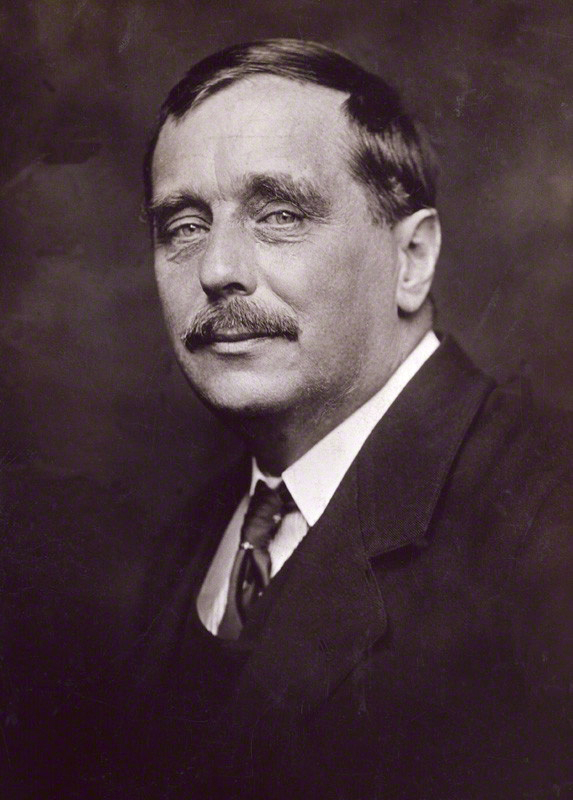
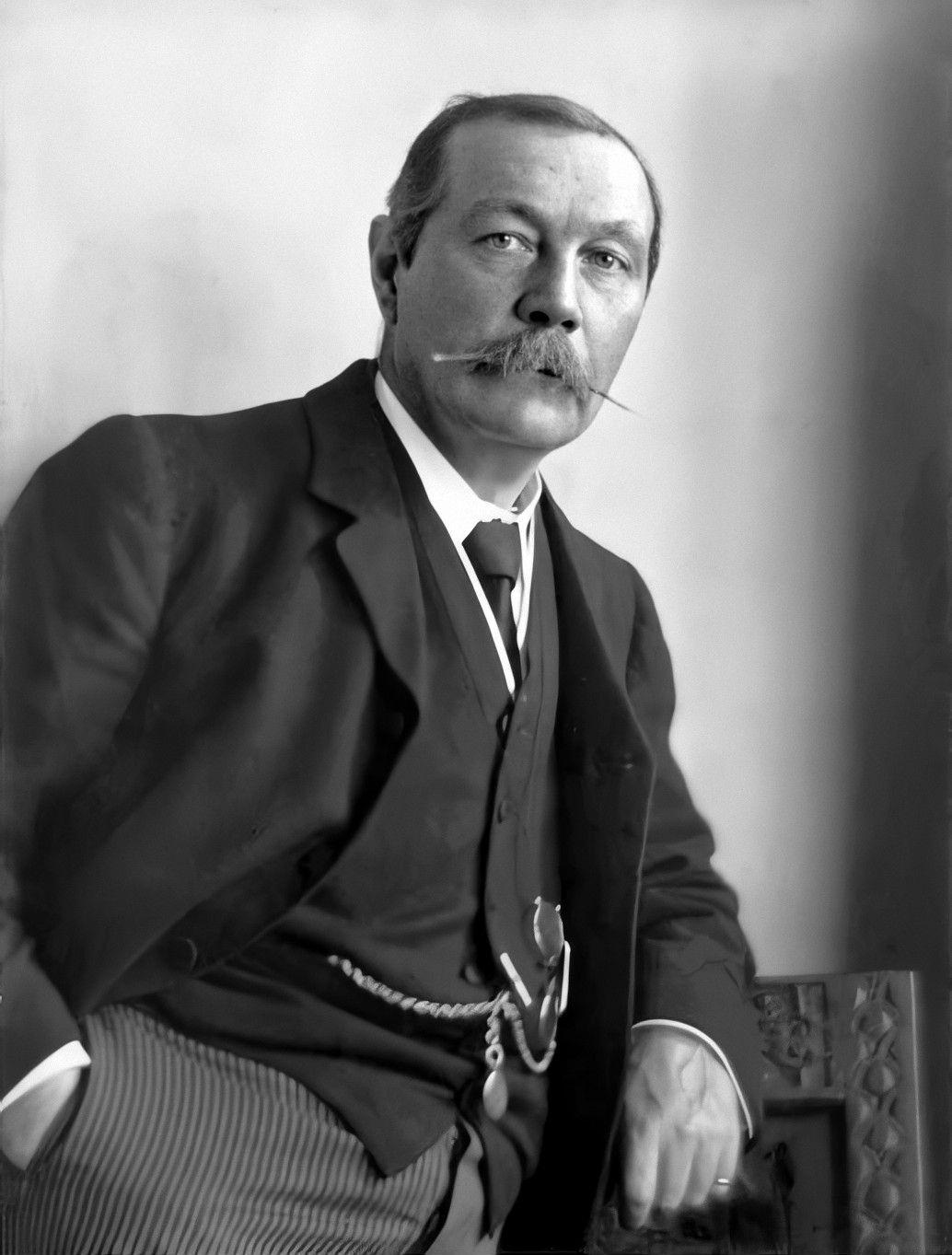
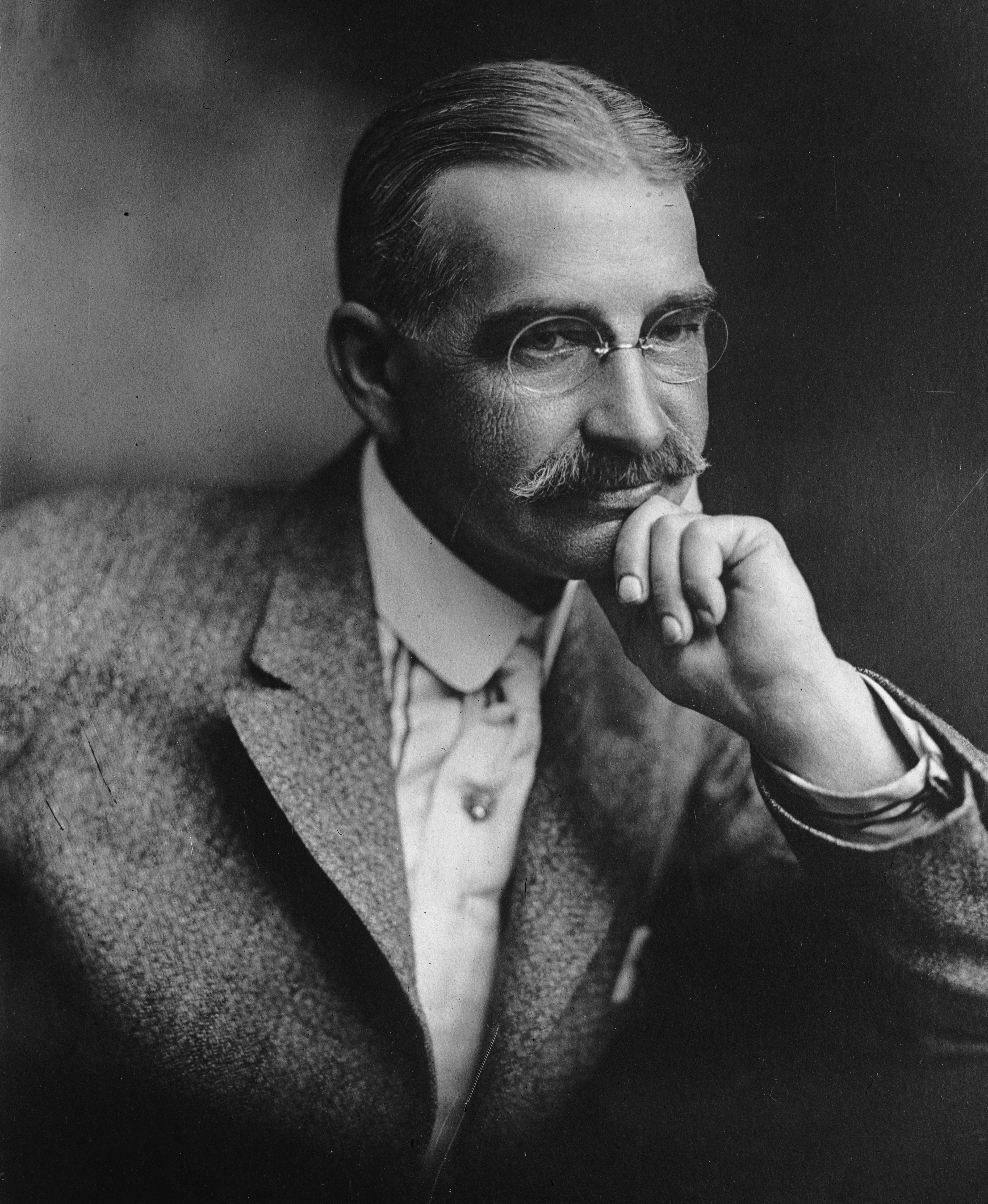
Stanley G. Weinbaum was an influential American science fiction writer whose work helped to shape the genre in the early 20th century. Born in 1902 in Milwaukee, Wisconsin, he showed an early interest in writing and science, which would later inform his imaginative storytelling. Weinbaum's career was tragically cut short when he died at the young age of 33, but he left behind a legacy that would inspire future generations of science fiction authors. His most notable work, 'A Martian Odyssey,' published in 1934, introduced readers to a richly imagined alien world and its inhabitants, showcasing his ability to blend scientific concepts with vivid storytelling. This story is often credited with elevating the standards of science fiction, moving it away from the simplistic narratives of the past and towards more complex and thoughtful explorations of humanity's place in the universe. Weinbaum's writing is characterized by its inventive plots and a deep sense of empathy for his characters, which was particularly evident in stories like 'The Mad Moon' and 'The Planet of Doubt.' His work often explored themes of alien life and the moral implications of human actions, setting a precedent for later science fiction that would delve into philosophical questions. Although his life was brief, Weinbaum's contributions to the genre were significant, and he is remembered as a pioneering figure whose imaginative vision and narrative style influenced many writers who followed him, including Isaac Asimov and Arthur C. Clarke. His stories remain a testament to the potential of science fiction as a medium for exploring complex ideas and the human experience.
Famous Quotes
View all 7 quotes“Too many questions breed answers to none.””
“He scarcely know whether to be glad or bitter, for indeed, though she had granted his request to spare his companions, she had granted it only at the cost of the destruction of the cause for which he had sacrificed everything. There were no Harriers any more, but he was still to die for them.””
“He scarcely knew whether to be glad or bitter, for indeed, though she had granted his request to spare his companions, she had granted it only at the cost of the destruction of the cause for which he had sacrificed everything. There were no Harriers any more, but he was still to die for them.””
Books from the author








Link to this page
Add a free, dofollow link to Lex on your blog, forum, syllabus, or reading list.

<a href="https://lex-books.com/author/stanley-g-weinbaum"><img src="https://lex-books.com/badges/read-on-lex.svg" alt="Stanley G. Weinbaum on Lex" width="160" height="40"></a>[](https://lex-books.com/author/stanley-g-weinbaum)[url=https://lex-books.com/author/stanley-g-weinbaum][img]https://lex-books.com/badges/read-on-lex.svg[/img][/url]Stanley G. Weinbaum on Lex: https://lex-books.com/author/stanley-g-weinbaum