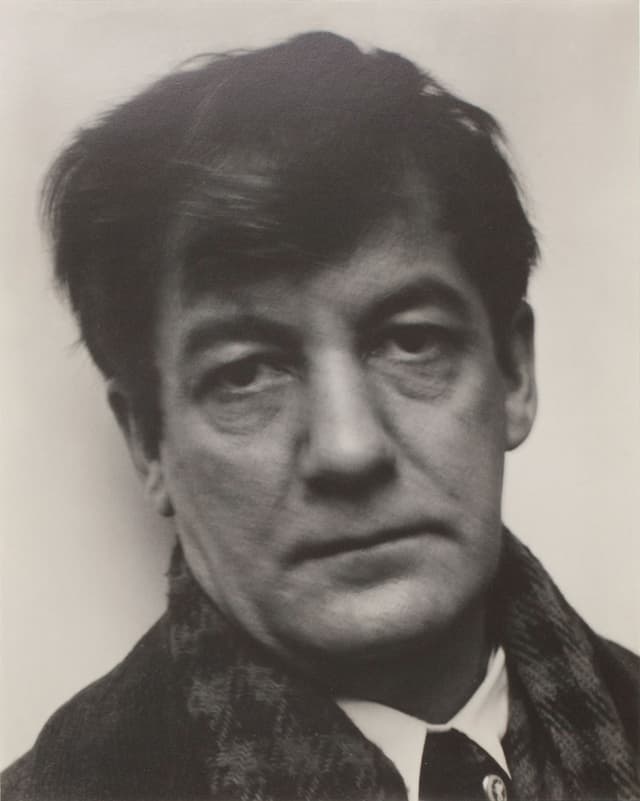
Sherwood Anderson
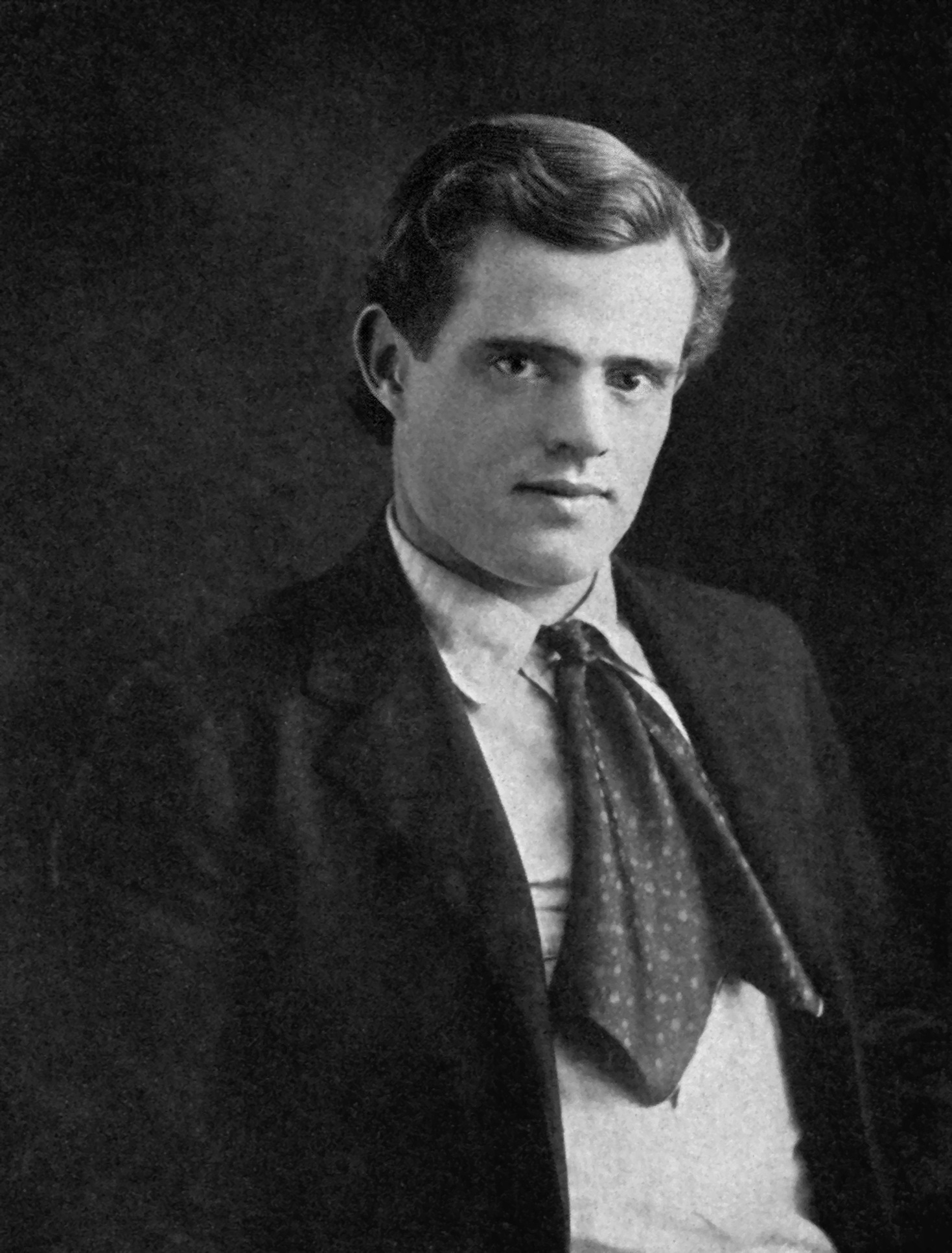
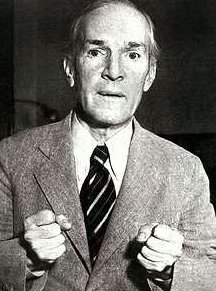
Sherwood Anderson was an influential American novelist and short story writer, renowned for his introspective and self-revealing narratives. Born in Camden, Ohio, he led a tumultuous early life, working various jobs, including as a successful copywriter and business owner. However, a nervous breakdown in 1912 prompted a dramatic shift; he abandoned his business and family to pursue writing full-time. This decision led him to Chicago, where he became immersed in the literary scene and experienced several personal transformations, including three subsequent marriages. Anderson's most notable work, "Winesburg, Ohio," published in 1919, is a groundbreaking collection of interconnected short stories that explore the lives of small-town residents, revealing their inner struggles and desires. This work is often credited with influencing the development of modernist literature and has inspired countless writers. Throughout the 1920s, he continued to produce a diverse array of works, including the bestselling novel "Dark Laughter" (1925), which reflects his experiences in New Orleans. Anderson's legacy lies in his ability to capture the complexities of human emotion and his role in shaping the American literary landscape, paving the way for future generations of writers.
Famous Quotes
View all 3 quotes“Dare to be strong and courageous. That is the road. Venture anything.”
“I am a lover and have not found my thing to love.”
“Love is like a wind stirring the grass beneath trees on a black night,' he had said. 'You must not try to make love definite. It is the divine accident of life. If you try to be definite and sure about it and to live beneath the trees, where soft night winds blow, the long hot day of disappointment comes swiftly and the gritty dust from passing wagons gathers upon lips inflamed and made tender by kisses.”
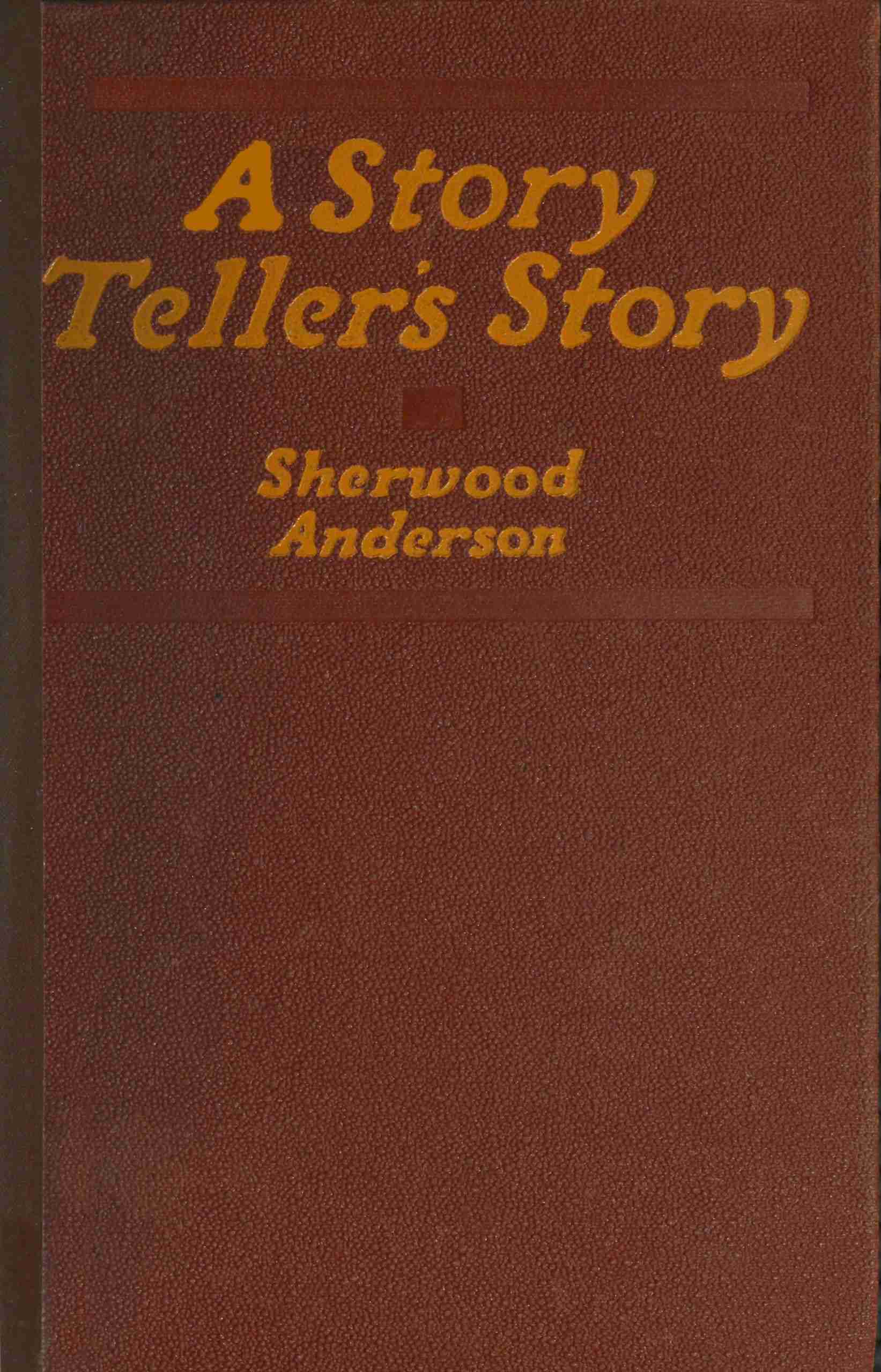
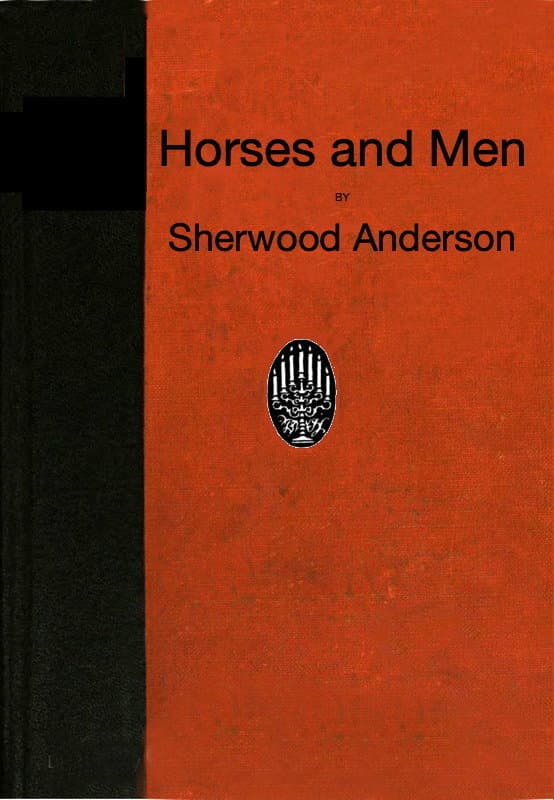
Books from the author




Link to this page
Add a free, dofollow link to Lex on your blog, forum, syllabus, or reading list.

<a href="https://lex-books.com/author/sherwood-anderson"><img src="https://lex-books.com/badges/read-on-lex.svg" alt="Sherwood Anderson on Lex" width="160" height="40"></a>[](https://lex-books.com/author/sherwood-anderson)[url=https://lex-books.com/author/sherwood-anderson][img]https://lex-books.com/badges/read-on-lex.svg[/img][/url]Sherwood Anderson on Lex: https://lex-books.com/author/sherwood-anderson