What would you like to read?Search books, authors, genres, shelves, users...
Search books, authors, genres, shelves, users...Search books, authors, genres, shelves, users...

What would you like to read?Search books, authors, genres, shelves, users...
Search books, authors, genres, shelves, users...Search books, authors, genres, shelves, users...
3 books
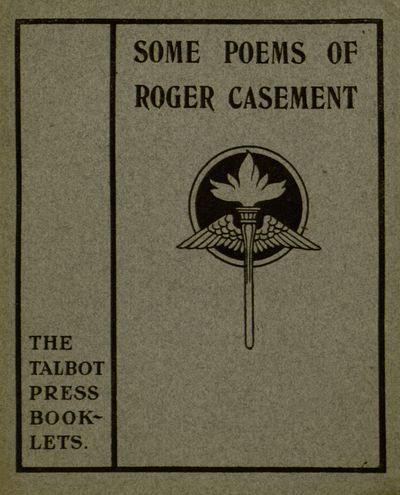
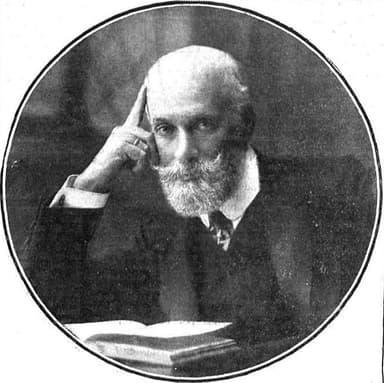
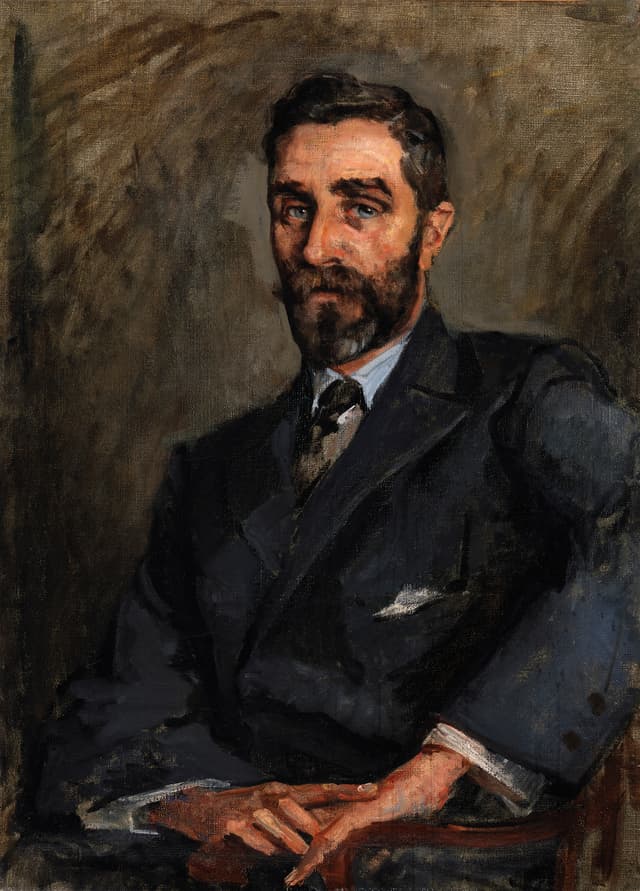
Roger David Casement (Irish: Ruairí Dáithí Mac Easmainn; 1 September 1864 – 3 August 1916), known as Sir Roger Casement, CMG, between 1911 and 1916, was a diplomat and Irish nationalist executed by the United Kingdom for treason during World War I. He worked for the British Foreign Office as a diplomat, becoming known as a humanitarian activist, and later as a poet and Easter Rising leader. Described as the "father of twentieth-century human rights investigations", he was honoured in 1905 for the Casement Report on the Congo Free State and knighted in 1911 for his important investigations of human rights abuses in the rubber industry in Peru. In Africa as a young man, Casement first worked for commercial interests before joining the British Colonial Service. In 1891 he was appointed as a British consul, a profession he followed for more than 20 years. Influenced by the Second Boer War and his investigation into colonial atrocities against indigenous peoples, Casement grew to mistrust imperialism. After retiring from consular service in 1913, he became more involved with Irish republicanism and other separatist movements. During World War I, he made efforts to gain German military aid for the 1916 Easter Rising that sought to gain Irish independence. He was arrested, convicted and executed for high treason. He was stripped of his knighthood and other honours. Before, during and after the trial, British security agents and police showed typescripts prepared by the Metropolitan police to influential persons. These were said to be official copies of his private journals which detailed homosexual activities. Given prevailing views and existing laws on homosexuality, this material undermined support for clemency. Disputes have continued about these diaries; a private handwriting comparison study in 2002 concluded that Casement had written the diaries, but this was contested by several scholars.

Self-government is our right. A thing born in us at birth; a thing no more to be doled out to us or withheld from us by another people than the right to life itself - than the right to feel the sun or smell the flowers, or to love our kind. . . . Where men must beg with bated breath for leave to subsist in their own land, to think their own thoughts, to sing their own songs, to garner the fruits of their own labours. . . then surely it is braver, a saner and a truer thing, to be a rebel . . . than tamely to accept it as the natural lot of men.
Where all your rights become only an accumulated wrong; where men must beg with bated breath for leave to subsist in their own land, to think their own thoughts, to sing their own songs, to garner the fruits of their own labors...then surely it is a braver, a saner and truer thing, to be a rebel in act and deed against such circumstances as these than tamely to accept it as the natural lot of men.
Self-government is our right. A thing born in us at birth; a thing no more to be doled out to us or withheld from us by another people than the right to life itself - than the right to feel the sun or smell the flowers, or to love our kind. . . . Where men must beg with bated breath for leave to subsist in their own land, to think their own thoughts, to sing their own songs, to garner the fruits of their own labours. . . then surely it is braver, a saner and a truer thing, to be a rebel . . . than tamely to accept it as the natural lot of men.
Where all your rights become only an accumulated wrong; where men must beg with bated breath for leave to subsist in their own land, to think their own thoughts, to sing their own songs, to garner the fruits of their own labors...then surely it is a braver, a saner and truer thing, to be a rebel in act and deed against such circumstances as these than tamely to accept it as the natural lot of men.
![Correspondence and Report from His Majesty's Consul at Boma Respecting the Administration of the Independent State of the Congo [And Further Correspondence]](https://d3b2n8gj62qnwr.cloudfront.net/COVERS/gutenberg_covers75k/ebook-50573.png)