
Robert Lehmann-Nitsche
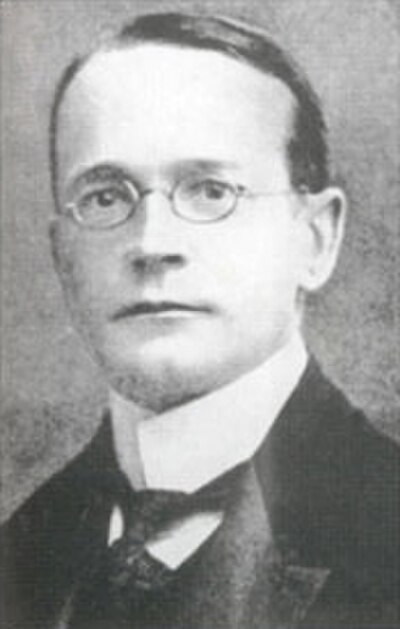
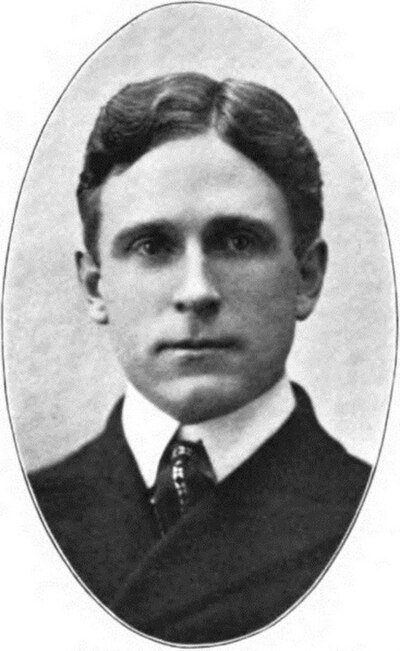
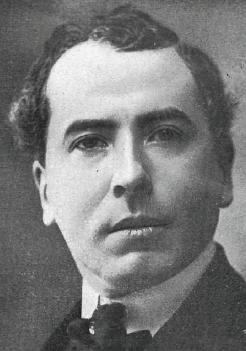
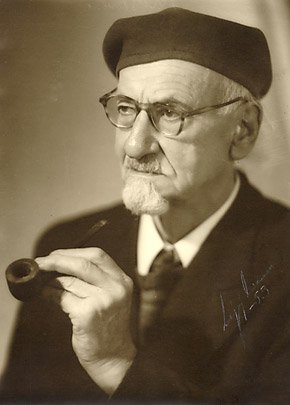
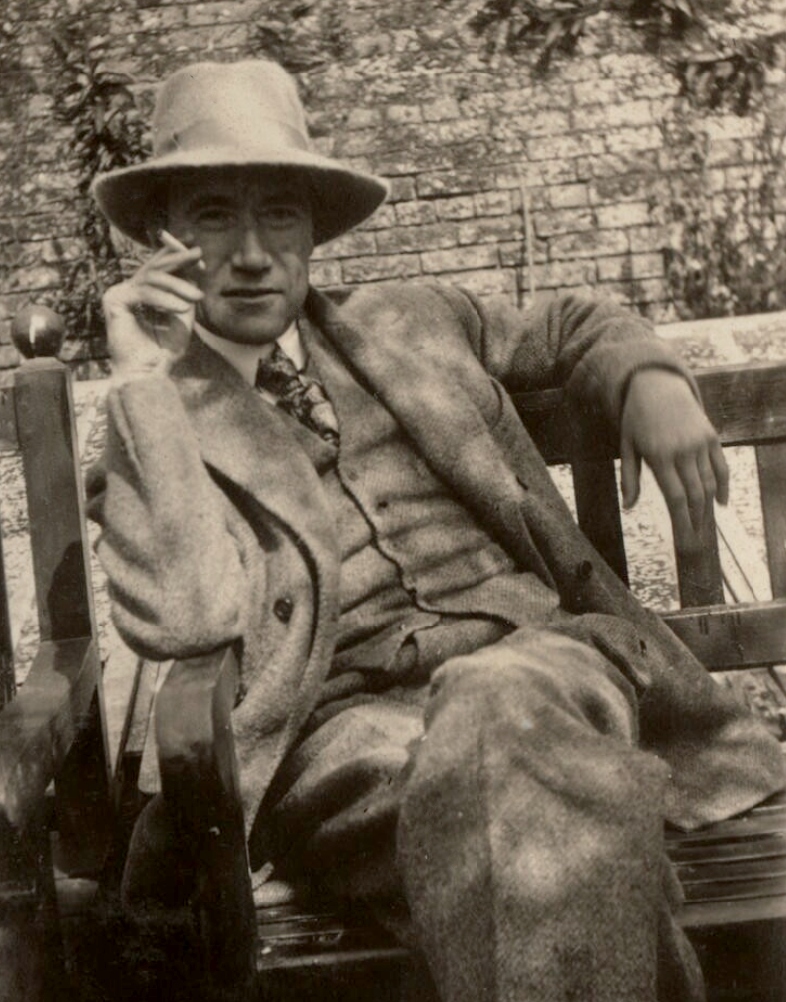
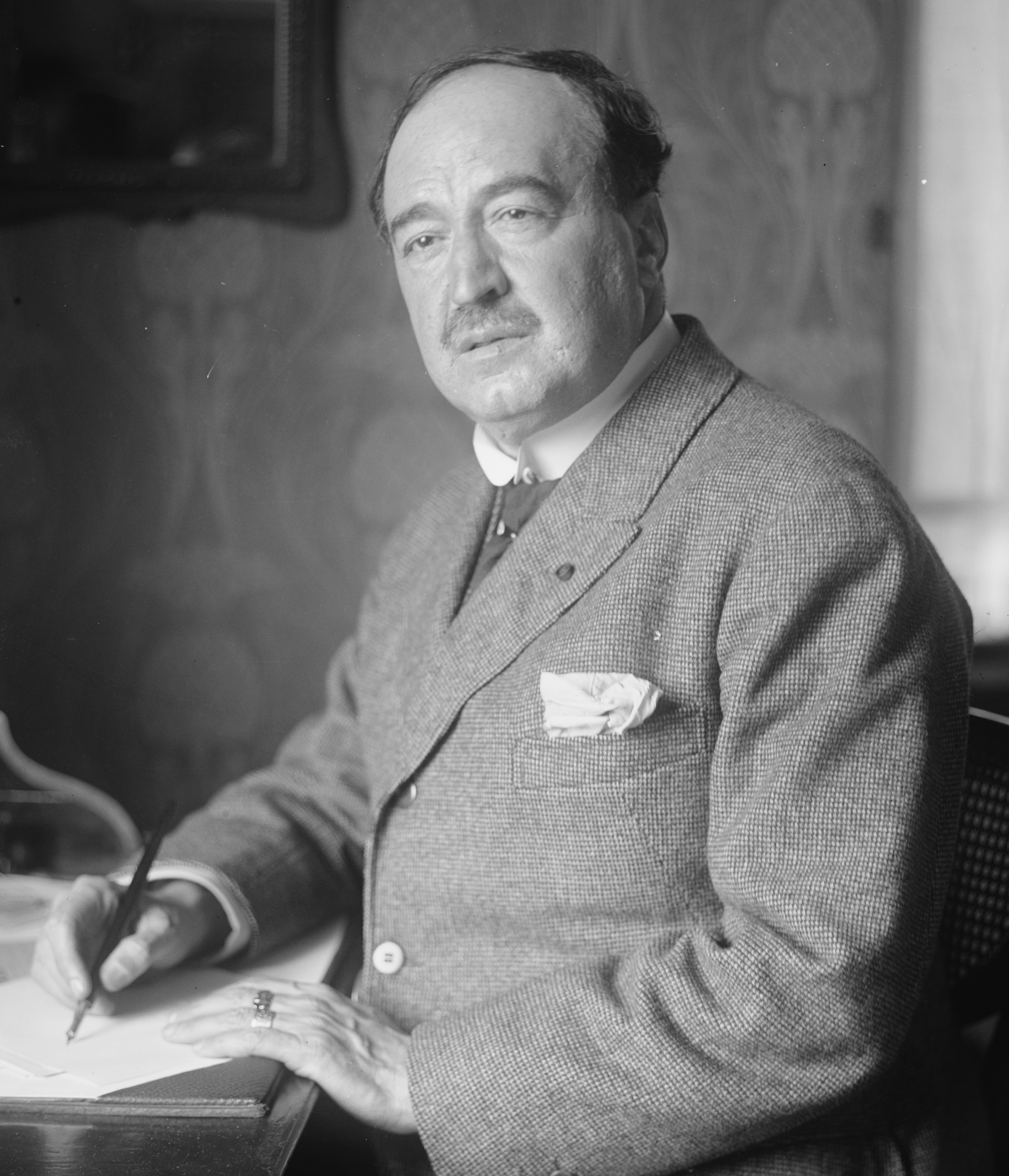
Robert Lehmann-Nitsche was a prominent German anthropologist known for his extensive work on the indigenous peoples of Argentina. Born in Radomierz, he dedicated thirty years of his life to studying and documenting the cultures and societies of Argentina, serving as the director of the Anthropological Section of the La Plata Museum and a professor at the University of Buenos Aires. His research significantly contributed to the understanding of the region's indigenous populations, making him a notable figure in the field of anthropology during his time. Despite his academic achievements, Lehmann-Nitsche's legacy has been marred by posthumous accusations of racism and unethical research practices. Critics have pointed out that his methods often disregarded the rights and dignity of the native communities he studied. This controversy has sparked discussions about the ethical responsibilities of anthropologists and the impact of their work on the cultures they seek to understand, highlighting the complexities of his contributions to the discipline and the lasting implications of his research methods.
Books from the author



Link to this page
Add a free, dofollow link to Lex on your blog, forum, syllabus, or reading list.

<a href="https://lex-books.com/author/robert-lehmann-nitsche"><img src="https://lex-books.com/badges/read-on-lex.svg" alt="Robert Lehmann-Nitsche on Lex" width="160" height="40"></a>[](https://lex-books.com/author/robert-lehmann-nitsche)[url=https://lex-books.com/author/robert-lehmann-nitsche][img]https://lex-books.com/badges/read-on-lex.svg[/img][/url]Robert Lehmann-Nitsche on Lex: https://lex-books.com/author/robert-lehmann-nitsche