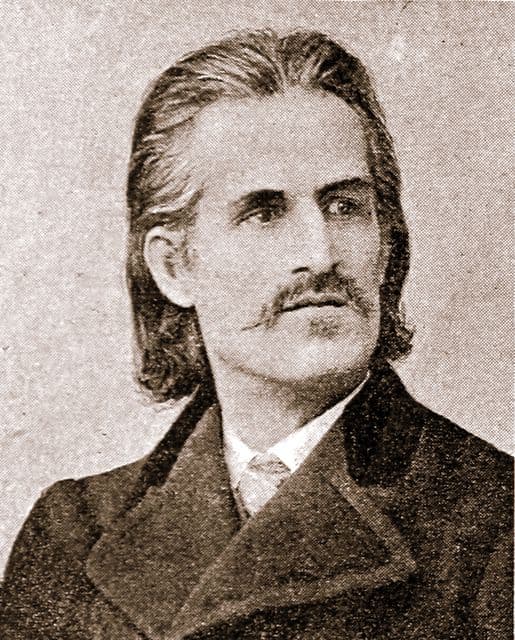
Robert Hamerling
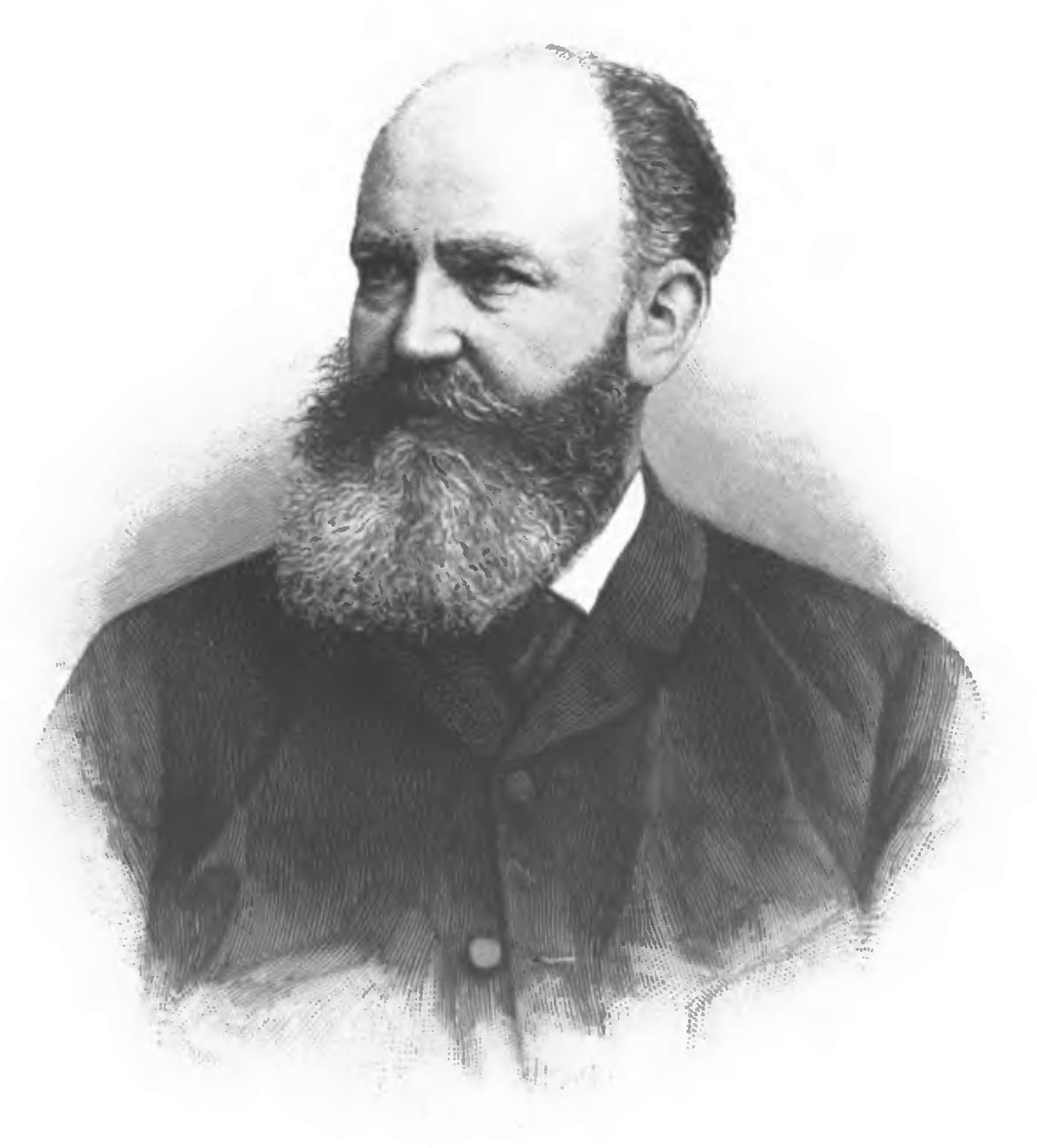
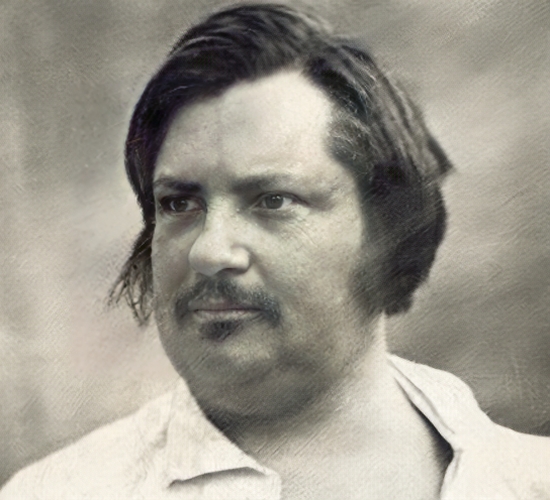
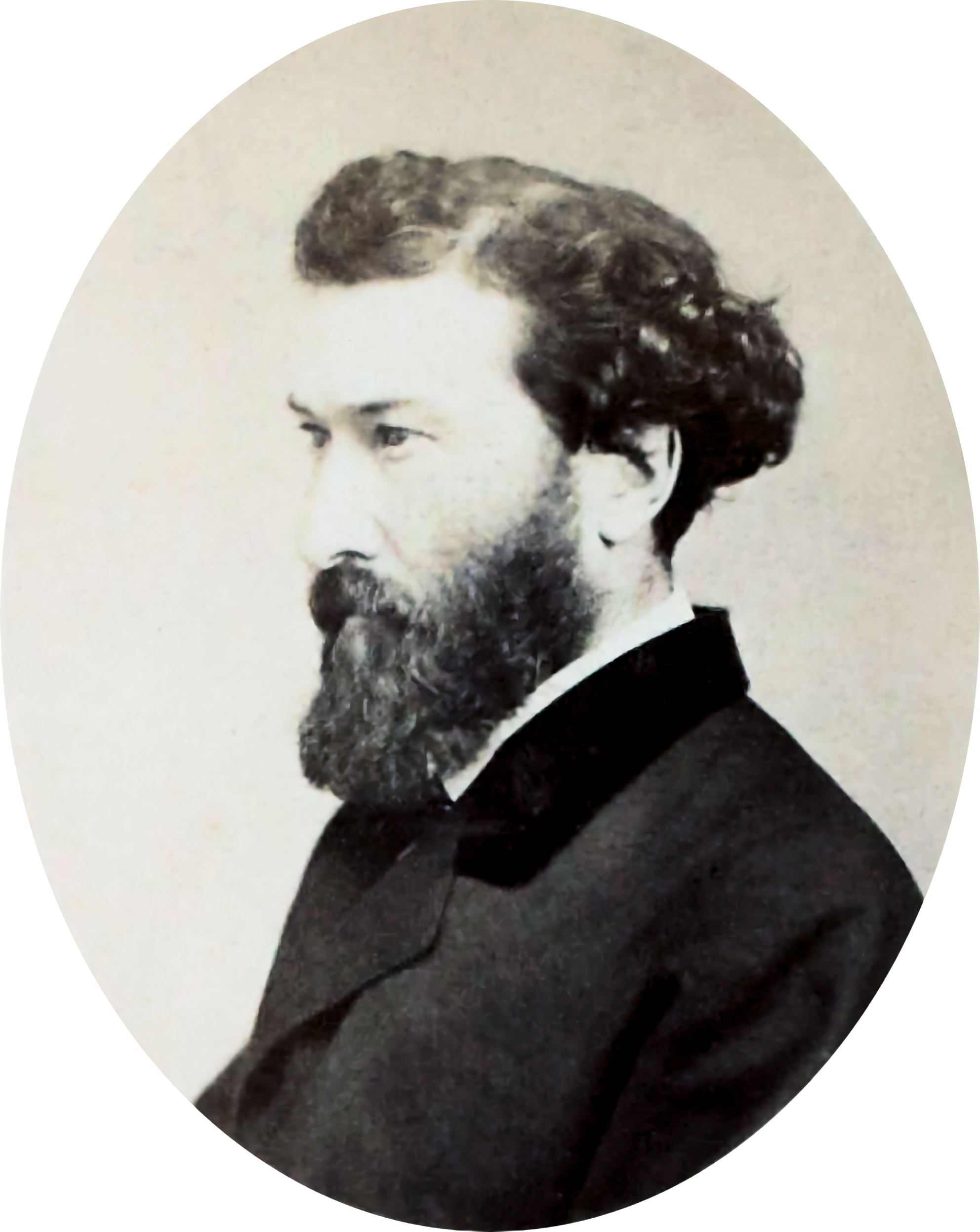
Robert Hamerling was an influential Austrian poet known for his lyrical and philosophical works that explored the human condition and nature. Born in 1830, he developed a strong literary voice that combined Romanticism with a deep introspection, reflecting the tumultuous changes in society during his lifetime. His notable works include 'Ahasver in der Hölle' and 'Der König von Sion', which showcase his ability to weave complex themes of existence, spirituality, and the struggle for identity into his poetry. Hamerling's literary significance lies in his role as a bridge between the Romantic and modernist movements in Austrian literature. His exploration of existential themes and innovative use of language influenced contemporaries and later poets. Despite being less well-known today, Hamerling's contributions to the literary landscape of the 19th century remain noteworthy, as he challenged traditional poetic forms and delved into profound philosophical questions, leaving a lasting impact on the evolution of German-language poetry.
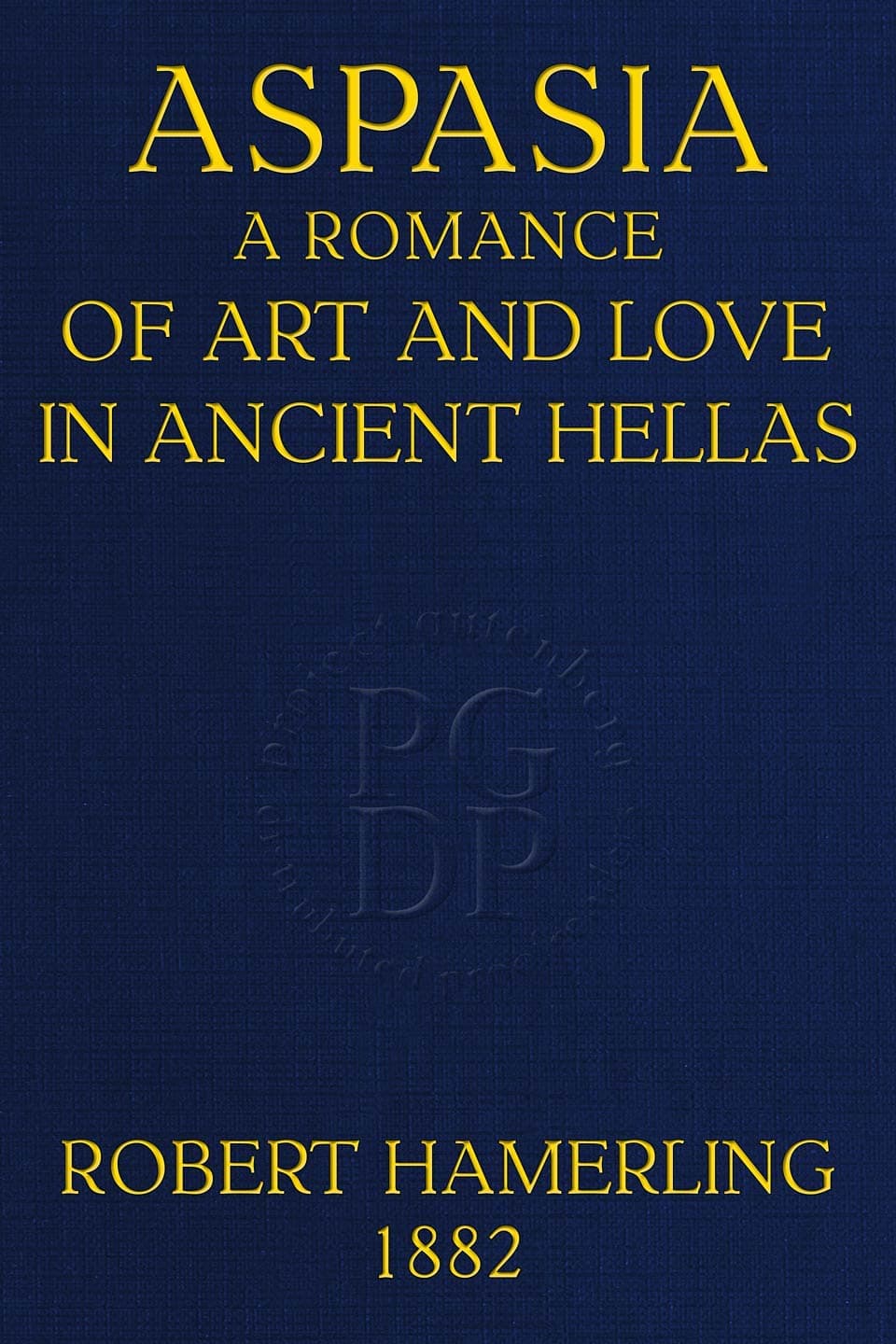
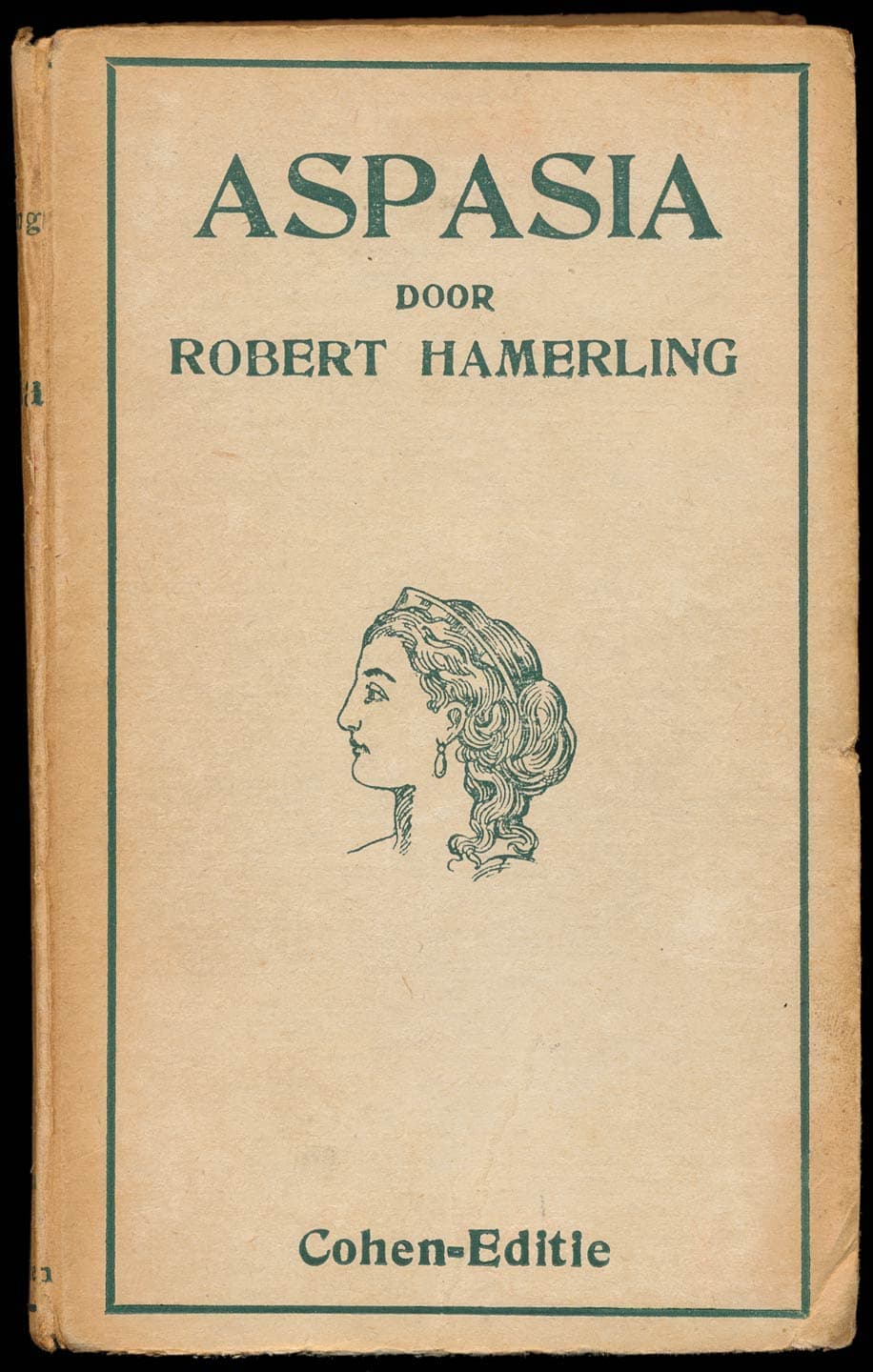
Books from the author




Link to this page
Add a free, dofollow link to Lex on your blog, forum, syllabus, or reading list.

<a href="https://lex-books.com/author/robert-hamerling"><img src="https://lex-books.com/badges/read-on-lex.svg" alt="Robert Hamerling on Lex" width="160" height="40"></a>[](https://lex-books.com/author/robert-hamerling)[url=https://lex-books.com/author/robert-hamerling][img]https://lex-books.com/badges/read-on-lex.svg[/img][/url]Robert Hamerling on Lex: https://lex-books.com/author/robert-hamerling