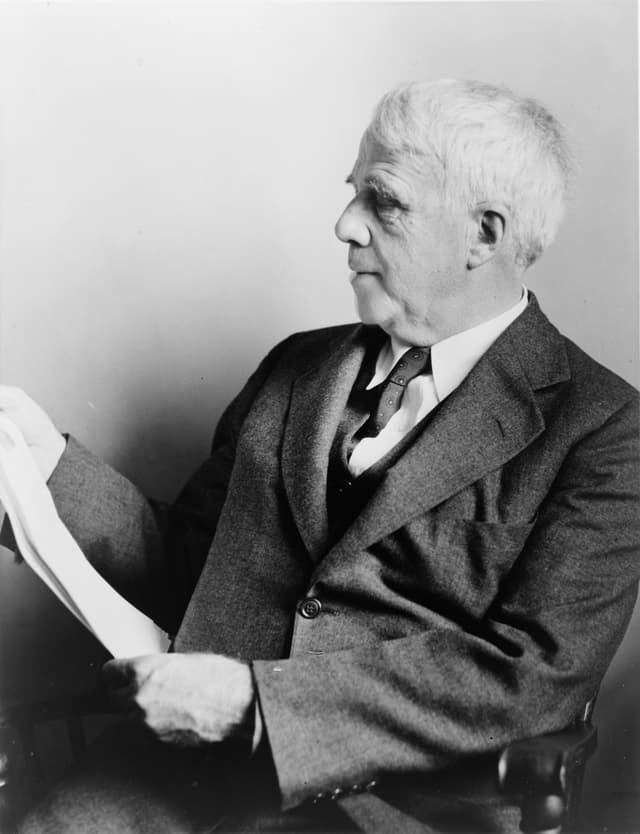
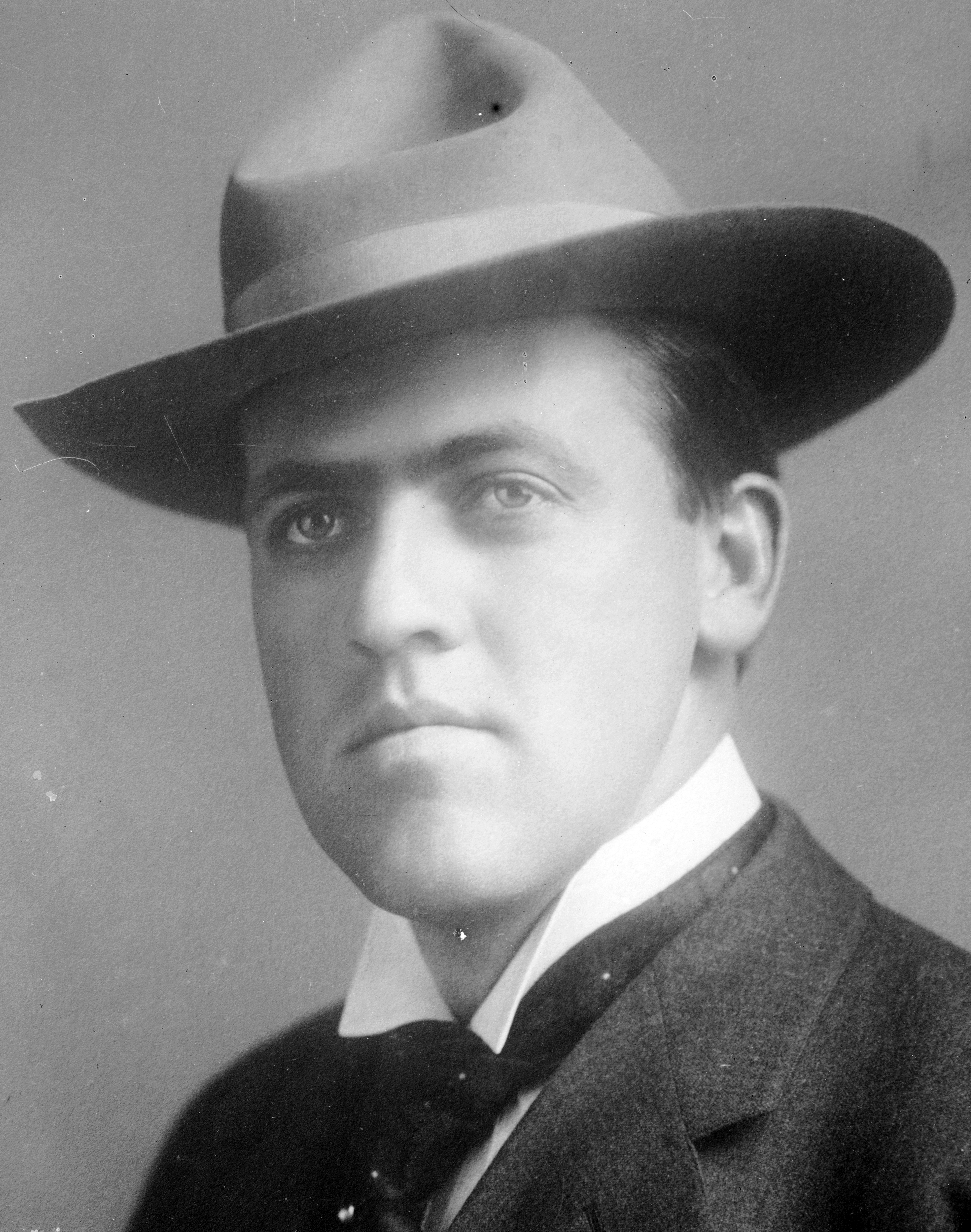
Robert Frost
Robert Frost was an influential American poet celebrated for his vivid portrayals of rural life and mastery of colloquial speech. His poetry often drew upon the landscapes and experiences of New England, reflecting the complexities of human existence through the lens of nature and everyday life. Frost's works, such as 'The Road Not Taken' and 'Stopping by Woods on a Snowy Evening,' explore profound social and philosophical themes, making them resonate deeply with readers. His ability to capture the nuances of ordinary life set him apart as a unique voice in American literature. Throughout his career, Frost received numerous accolades, becoming the only poet to win four Pulitzer Prizes for Poetry. His prominence in the literary world was such that he became a public figure, embodying the role of an artistic institution in America. Appointed United States Poet Laureate in 1958 and honored with the Congressional Gold Medal in 1960, Frost's contributions to poetry were widely recognized. His essay 'The Figure a Poem Makes' encapsulates his poetic philosophy, emphasizing the importance of surprise and revelation in both writing and reading. Frost's legacy endures, as he remains a central figure in American poetry, influencing generations of writers and readers alike.
Famous Quotes
View all 3 quotes“In three words I can sum up everything I've learned about life: it goes on.”
“The Road Not Taken Two roads diverged in a yellow wood, And sorry I could not travel both And be one traveler, long I stood And looked down one as far as I could To where it bent in the undergrowth; Then took the other, as just as fair, And having perhaps the better claim, Because it was grassy and wanted wear; Though as for that the passing there Had worn them really about the same, And both that morning equally lay In leaves no step had trodden black. Oh, I kept the first for another day! Yet knowing how way leads on to way, I doubted if I should ever come back. I shall be telling this with a sigh Somewhere ages and ages hence: Two roads diverged in a wood, and I— I took the one less traveled by, And that has made all the difference.”
“We love the things we love for what they are.”
Books from the author
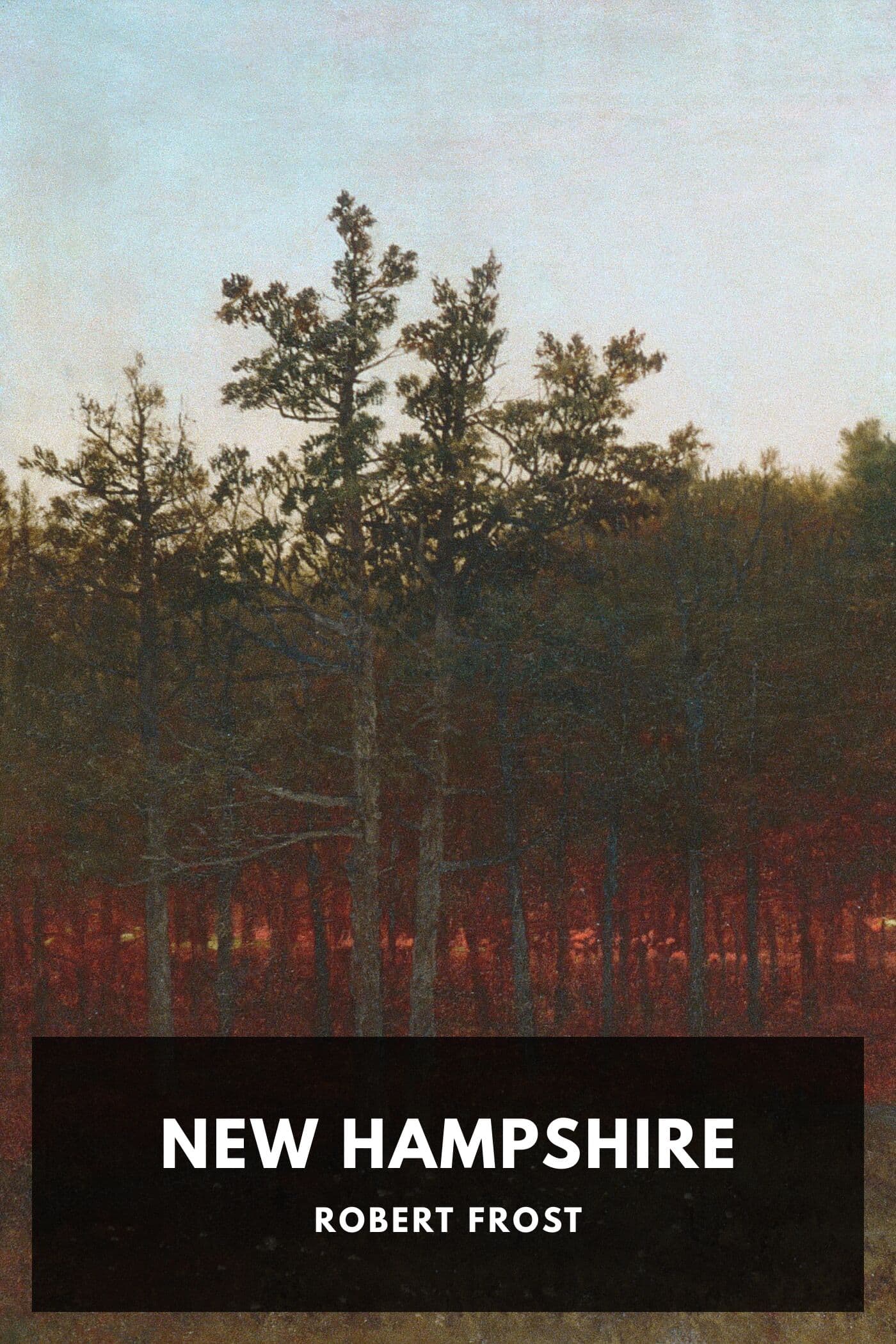


Link to this page
Add a free, dofollow link to Lex on your blog, forum, syllabus, or reading list.

<a href="https://lex-books.com/author/robert-frost"><img src="https://lex-books.com/badges/read-on-lex.svg" alt="Robert Frost on Lex" width="160" height="40"></a>[](https://lex-books.com/author/robert-frost)[url=https://lex-books.com/author/robert-frost][img]https://lex-books.com/badges/read-on-lex.svg[/img][/url]Robert Frost on Lex: https://lex-books.com/author/robert-frost