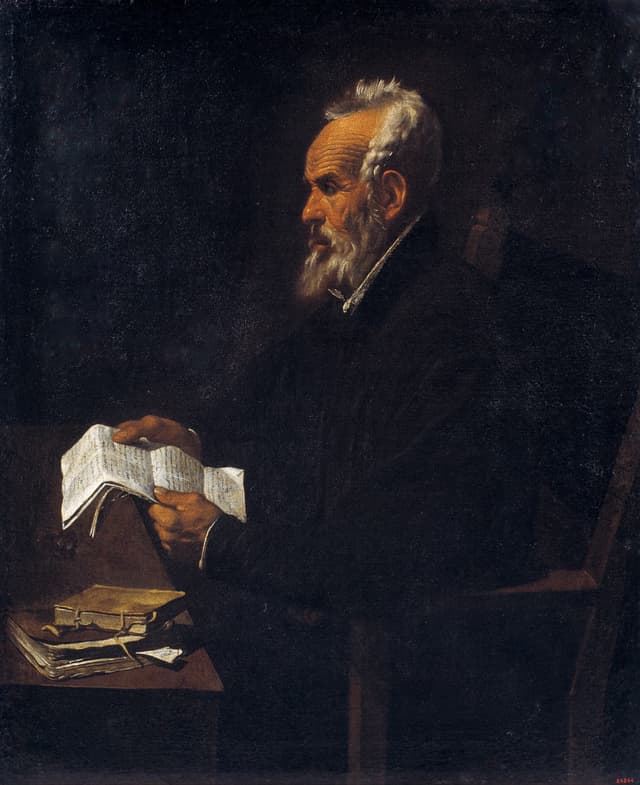
Ramon Llull
Ramon Llull was a Catalan philosopher, logician, and writer, whose work laid the groundwork for modern logic and computational theory. Born in the early 13th century in Mallorca, Llull's early life was marked by a deep religious conversion that spurred him to dedicate his life to the promotion of Christianity through reasoned argumentation. He developed a unique system of thought known as the 'Ars Magna,' which sought to unify different branches of knowledge and facilitate dialogue between faith and reason. This innovative approach not only influenced medieval philosophy but also prefigured later developments in both logic and computer science. Llull's literary output was vast, encompassing poetry, prose, and philosophical treatises. His notable works include 'The Book of Beasts,' a fable that explores moral and ethical questions, and 'The Book of the Gentile and the Three Wise Men,' which presents a dialogue on faith and reason. As a pioneer of the use of vernacular language in literature, Llull's writings contributed to the development of Catalan as a literary language. His legacy endures, as he is often regarded as one of the first proponents of interfaith dialogue and a precursor to later thinkers in both philosophy and theology.
Books from the author
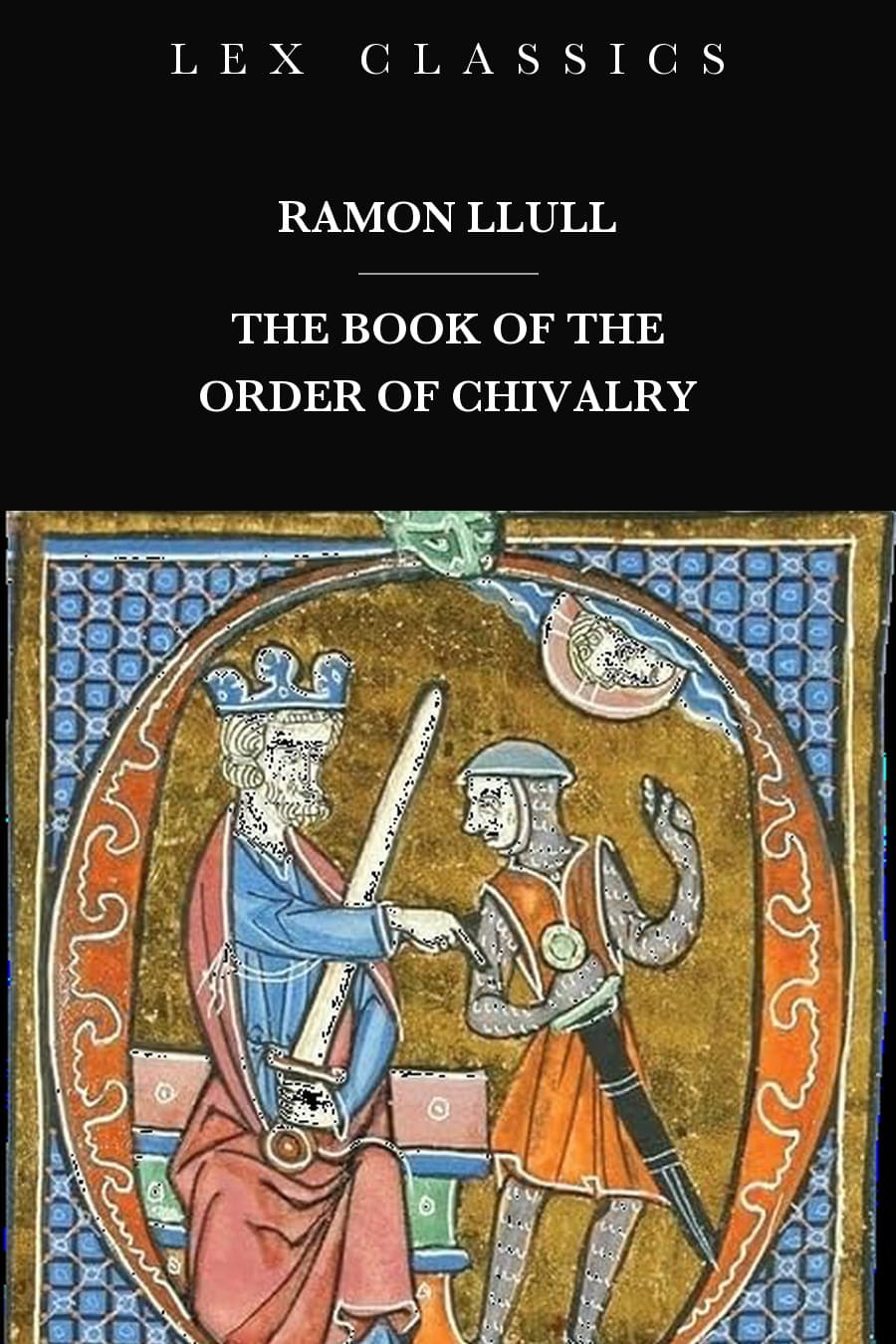




Link to this page
Add a free, dofollow link to Lex on your blog, forum, syllabus, or reading list.

<a href="https://lex-books.com/author/ramon-llull"><img src="https://lex-books.com/badges/read-on-lex.svg" alt="Ramon Llull on Lex" width="160" height="40"></a>[](https://lex-books.com/author/ramon-llull)[url=https://lex-books.com/author/ramon-llull][img]https://lex-books.com/badges/read-on-lex.svg[/img][/url]Ramon Llull on Lex: https://lex-books.com/author/ramon-llull