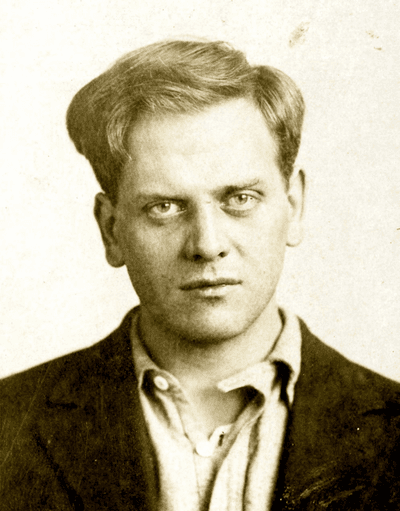
Ralph Chaplin
Ralph Chaplin was an influential American writer, artist, and labor activist known for his fervent advocacy for workers' rights and social justice. Born in 1887, he became a prominent figure in the labor movement during the early 20th century, using his artistic talents to support the cause. Chaplin is best remembered for his poem 'Solidarity Forever,' which became an anthem for labor unions and encapsulated the spirit of the fight for workers' rights. His work not only reflected the struggles of the working class but also inspired generations of activists to rally for change. In addition to his poetry, Chaplin contributed to various publications and was involved in the Industrial Workers of the World (IWW), where he utilized his skills as an artist to create powerful visual propaganda. His artistic endeavors included illustrations and posters that conveyed the plight of workers and called for solidarity among them. Chaplin's legacy lies in his commitment to social activism and the arts, as he effectively merged these two realms to advocate for a more equitable society. His contributions to labor literature and art continue to resonate within movements for social justice today.
Famous Quotes
View all 2 quotes“Mourn not the dead that in the cool earth lie-- Dust unto dust-- The calm, sweet earth that mothers all who die As all men must; Mourn not your captive comrades who must dwell-- Too strong to strive-- Within each steel-bound coffin of a cell, Buried alive; But rather mourn the apathetic throng-- The cowed and the meek-- Who see the world's great anguish and its wrong And dare not speak!”
“In our hands is a placed power greater with their hoarded gold, greater than the might of armies magnified a thousand-fold. We can bring the birth the new world from the ashes of the old, for the union makes us strong.”
Books from the author



Link to this page
Add a free, dofollow link to Lex on your blog, forum, syllabus, or reading list.

<a href="https://lex-books.com/author/ralph-chaplin"><img src="https://lex-books.com/badges/read-on-lex.svg" alt="Ralph Chaplin on Lex" width="160" height="40"></a>[](https://lex-books.com/author/ralph-chaplin)[url=https://lex-books.com/author/ralph-chaplin][img]https://lex-books.com/badges/read-on-lex.svg[/img][/url]Ralph Chaplin on Lex: https://lex-books.com/author/ralph-chaplin