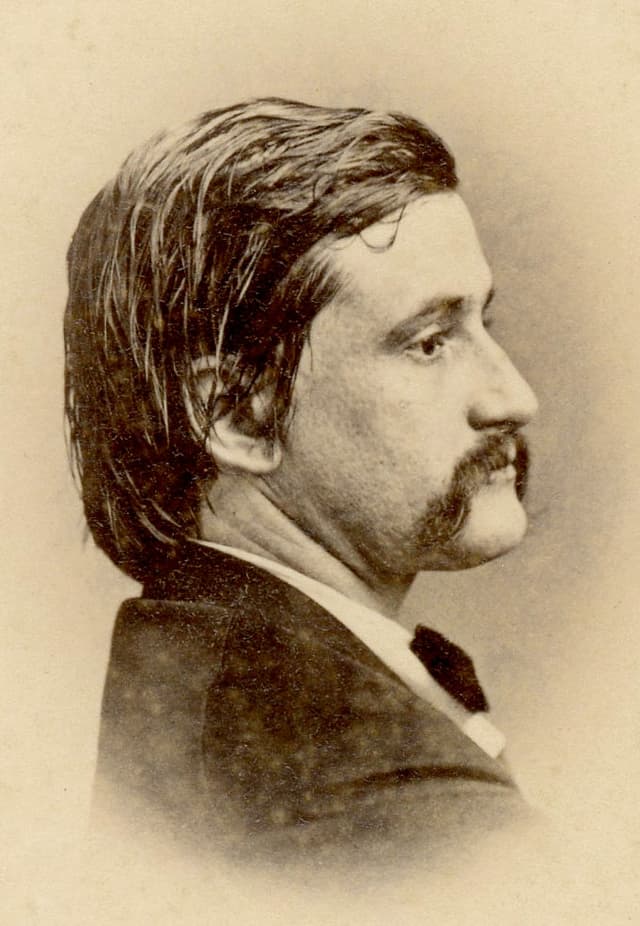
Q. K. Philander Doesticks
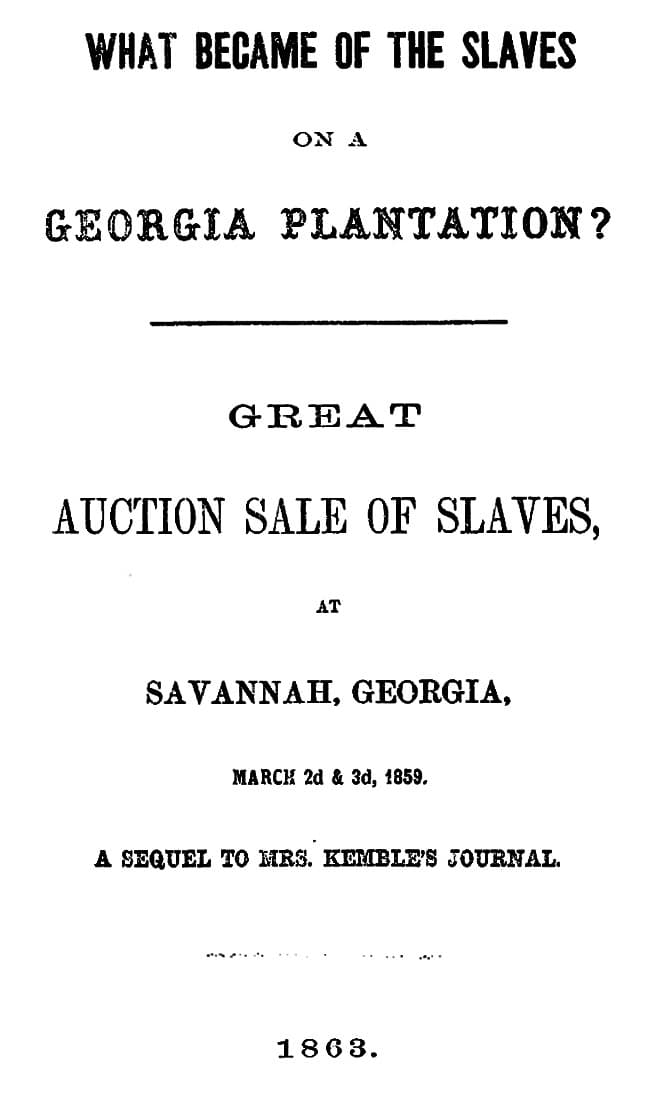
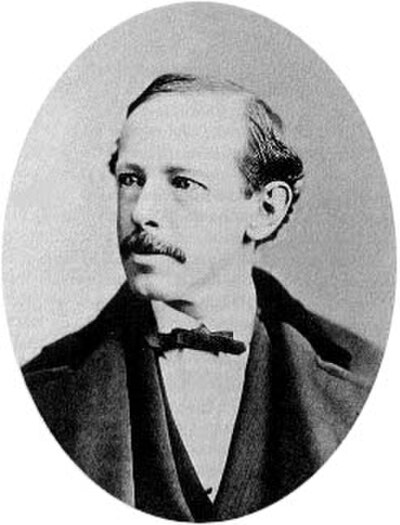
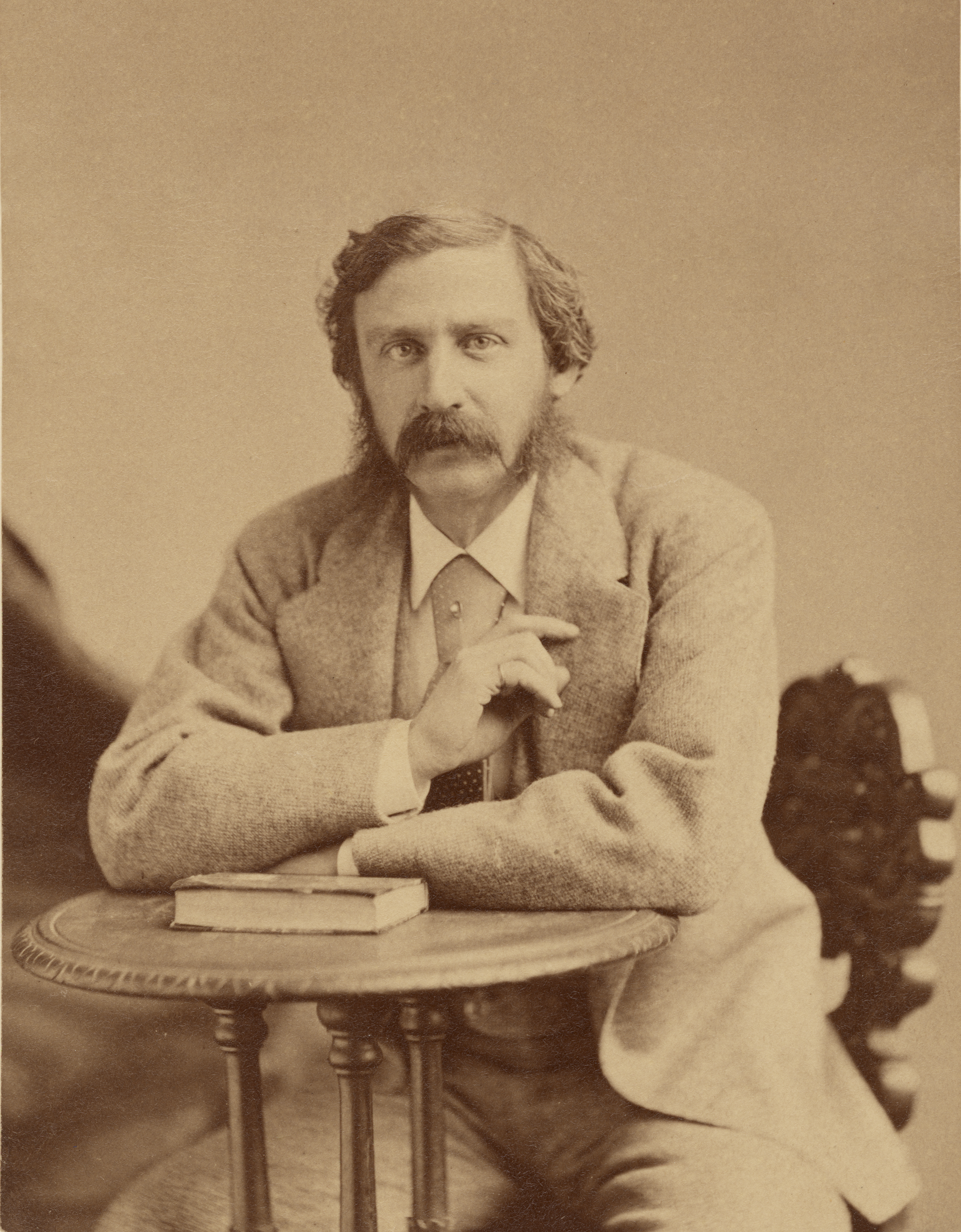
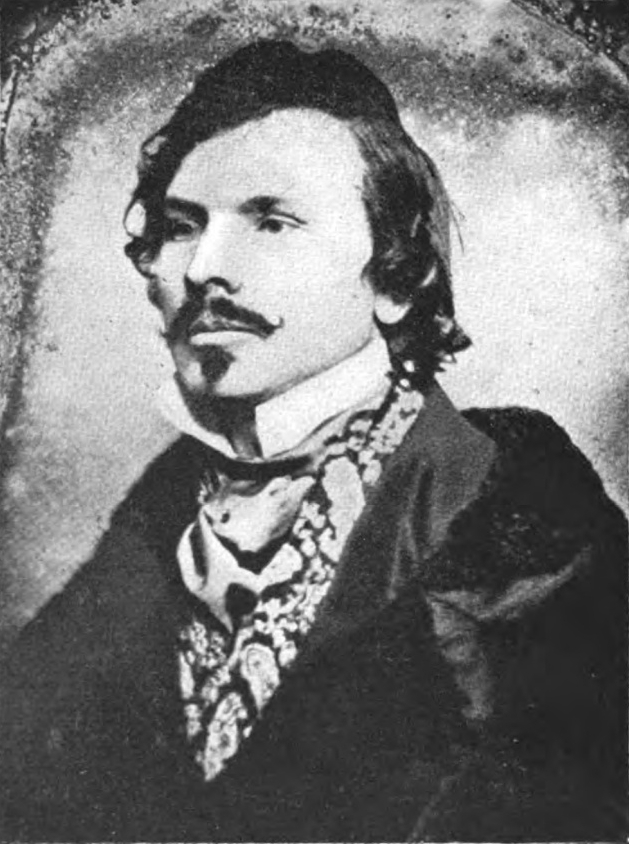
Mortimer Neal Thomson, known by his pen name Q. K. Philander Doesticks, was an influential American journalist and humorist whose work captured the spirit of his time. Born in Riga, New York, and raised in Ann Arbor, Michigan, he faced early challenges in academia, leading to his expulsion from the University of Michigan. Despite this setback, he found his calling in journalism and theater, adopting his distinctive pseudonym to publish a variety of satirical pieces. His collection, 'Doesticks What He Says,' released in 1855, showcased his sharp wit and humor, while his 1856 parody, 'Plu-Ri-Bus-Tah,' cleverly lampooned Longfellow's 'The Song of Hiawatha.' Thomson's legacy extends beyond humor; he was a pioneering voice in social commentary. His undercover investigation into the Great Slave Auction in Savannah resulted in the powerful article, 'What Became of the Slaves on a Georgia Plantation?' This work not only highlighted the grim realities of slavery but also contributed to the abolitionist movement, later published as a pamphlet by the American Anti-slavery Society. Thomson's inventive language, coining phrases like 'brass knuckles' and 'gutter-snipe,' further solidified his impact on American vernacular. Through his unique blend of humor and social critique, Q. K. Philander Doesticks left an indelible mark on American literature and journalism, influencing future generations of writers and activists alike.
Books from the author

Link to this page
Add a free, dofollow link to Lex on your blog, forum, syllabus, or reading list.

<a href="https://lex-books.com/author/q-k-philander-doesticks"><img src="https://lex-books.com/badges/read-on-lex.svg" alt="Q. K. Philander Doesticks on Lex" width="160" height="40"></a>[](https://lex-books.com/author/q-k-philander-doesticks)[url=https://lex-books.com/author/q-k-philander-doesticks][img]https://lex-books.com/badges/read-on-lex.svg[/img][/url]Q. K. Philander Doesticks on Lex: https://lex-books.com/author/q-k-philander-doesticks