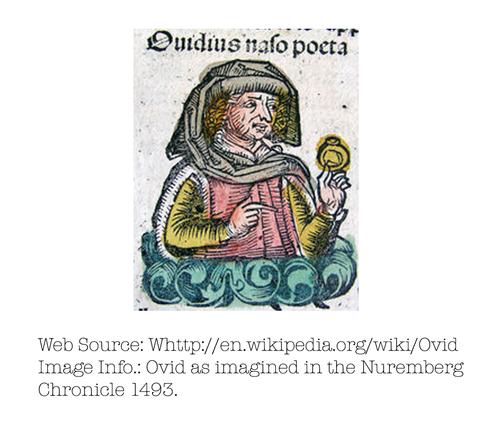
Publius (Ovid) Ovidius Naso
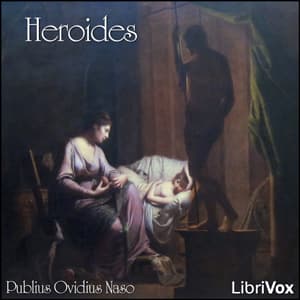
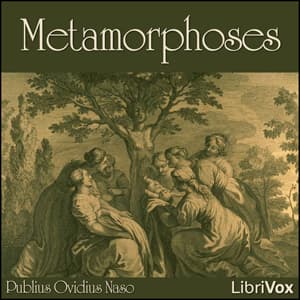
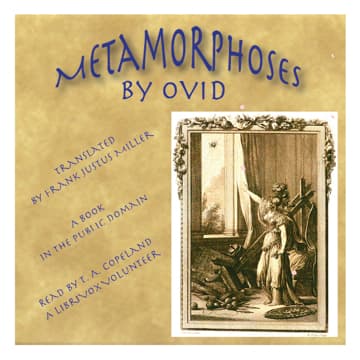
Publius Ovidius Naso, commonly known as Ovid, was a prominent Roman poet whose works have had a lasting impact on Western literature. Born in Sulmo, Italy, he was educated in Rome and became a significant figure in the literary circles of his time. Ovid's poetry is characterized by its innovative style and exploration of themes such as love, transformation, and mythology. His most celebrated work, 'Metamorphoses,' is an epic poem that weaves together various myths and legends, showcasing his mastery of narrative and verse. This work not only influenced countless writers and artists throughout history but also established Ovid as a foundational figure in the genre of narrative poetry. In addition to 'Metamorphoses,' Ovid's 'Heroides' presents a series of letters from mythological heroines to their absent lovers, highlighting his ability to give voice to female perspectives in a male-dominated literary tradition. His 'Fasti' offers a poetic calendar that reflects Roman religious practices and festivals, further demonstrating his engagement with the cultural and social life of his time. Ovid's innovative approach to storytelling and his exploration of complex emotional landscapes have cemented his legacy as one of the most important poets of antiquity, influencing writers from the Renaissance to modern times. Despite facing political exile later in life, his works continued to thrive, ensuring his place in the canon of classical literature.




Link to this page
Add a free, dofollow link to Lex on your blog, forum, syllabus, or reading list.

<a href="https://lex-books.com/author/publius-ovid-ovidius-naso"><img src="https://lex-books.com/badges/read-on-lex.svg" alt="Publius (Ovid) Ovidius Naso on Lex" width="160" height="40"></a>[](https://lex-books.com/author/publius-ovid-ovidius-naso)[url=https://lex-books.com/author/publius-ovid-ovidius-naso][img]https://lex-books.com/badges/read-on-lex.svg[/img][/url]Publius (Ovid) Ovidius Naso on Lex: https://lex-books.com/author/publius-ovid-ovidius-naso