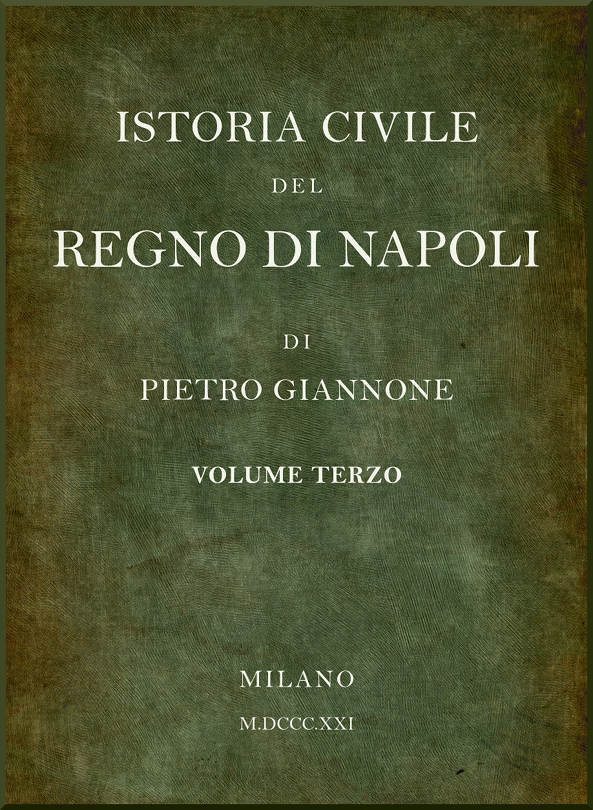
Istoria Civile Del Regno Di Napoli, V. 3
1723
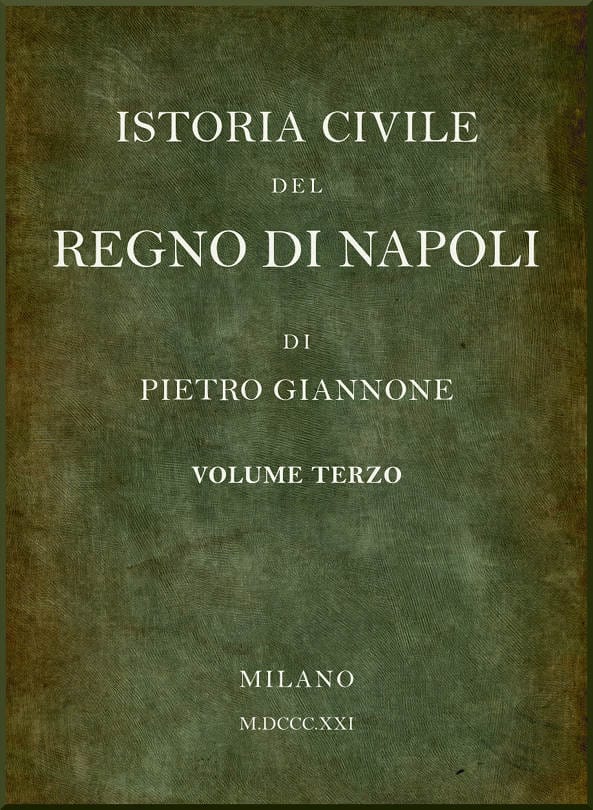
Istoria Civile Del Regno Di Napoli, V. 3
1723
A historical account written in the early 19th century. The text explores the intricate political developments and power struggles within the Kingdom of Naples, focusing on key figures such as Ottone and his interactions with both local leaders and foreign powers, particularly the Greeks. It provides a detailed narrative of the tumultuous events that shaped the region during this period, emphasizing themes of tyranny, liberation, and the consolidating power of new leaders. The opening of this volume sets the stage in a time of turmoil for Italy, particularly under the oppressive rule of Berengar and Adelberto. It details the initial attempts of the Italians to seek help from Ottone, the German King, as they hope to rid themselves of their tyrants. We are introduced to the character of Adelaide, whose kidnapping and appeal to Ottone become pivotal in the unfolding drama. The piece also highlights Ottone's actions as he gathers support, gives a warm reception in Italy, and ultimately asserts control over the recognizably fragmented political landscape, showcasing the early developments that would lead to significant shifts in power and governance in the region.
Editions
X-Ray
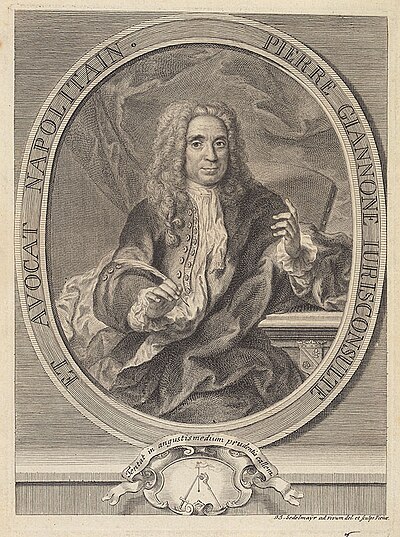
The author and narrator of this civil history of the Kingdom of Naples. A learned historian who presents a detailed account of the Norman conquest and the political transformations of southern Italy.
Holy Roman Emperor who conquered Italy and was crowned by Pope John XII in 962. He established German imperial authority over southern Italy and gave the first investitures to Norman leaders.
The most famous Norman leader, Duke of Apulia and Calabria. Son of Tancred of Hauteville, he conquered much of southern Italy and established Norman dominance in the region.
Count of Sicily, brother of Robert Guiscard. He conquered Sicily from the Saracens and established Norman rule there, later becoming the first King of Sicily.
About Istoria Civile Del Regno Di Napoli, V. 3
Chapter Summaries
- Libro Ottavo
- Chronicles the final period of Lombard rule under princes like Pandulf Iron Head, the political fragmentation of southern Italy, and the first arrival of Norman adventurers who would eventually conquer the region.
- Libro Nono
- Details the systematic Norman conquest of Apulia, Calabria, and other territories, the establishment of Aversa, and the first papal investitures that legitimized Norman rule in southern Italy.
- Libro Decimo
- Covers the final conquest of remaining territories including Salerno and Bari, the alliance between the Normans and Pope Gregory VII, and the establishment of the foundations for the future Kingdom of Sicily.
Key Themes
- Political Transformation and Conquest
- The work chronicles how the Normans systematically conquered and unified the fragmented political landscape of southern Italy, transforming multiple principalities into a coherent kingdom.
- Church-State Relations
- Giannone extensively analyzes the development of papal temporal power and the origins of papal investiture, showing how the Church became a major political player in medieval Italy.
- Cultural and Ethnic Transition
- The narrative explores how Norman, Lombard, Byzantine, and Saracen cultures interacted and how Norman rule gradually replaced existing power structures while adapting to local conditions.
Characters
- Pietro Giannone(protagonist)
- The author and narrator of this civil history of the Kingdom of Naples. A learned historian who presents a detailed account of the Norman conquest and the political transformations of southern Italy.
- Ottone I (Otto the Great)(major)
- Holy Roman Emperor who conquered Italy and was crowned by Pope John XII in 962. He established German imperial authority over southern Italy and gave the first investitures to Norman leaders.
- Roberto Guiscardo(protagonist)
- The most famous Norman leader, Duke of Apulia and Calabria. Son of Tancred of Hauteville, he conquered much of southern Italy and established Norman dominance in the region.
- Ruggiero (Roger I)(major)
- Count of Sicily, brother of Robert Guiscard. He conquered Sicily from the Saracens and established Norman rule there, later becoming the first King of Sicily.
- Papa Gregorio VII (Ildebrando)(major)
- Pope Gregory VII, formerly Hildebrand. A powerful reformer who established papal investiture over Norman territories and engaged in the Investiture Controversy with Emperor Henry IV.
- Tancredi d'Altavilla(major)
- Norman count and patriarch of the Hauteville family. Father of twelve sons including Robert Guiscard and Roger I, who conquered southern Italy and Sicily.
Link to this book
Add a free, dofollow link to Lex on your blog, forum, syllabus, or reading list.

<a href="https://lex-books.com/book/istoria-civile-del-regno-di-napoli-v-3-86f7a1dc-243f-4d37-b1be-b4a39c7cebfb"><img src="https://lex-books.com/badges/read-on-lex.svg" alt="Read Istoria Civile Del Regno Di Napoli, V. 3 by Pietro Giannone free on Lex" width="160" height="40"></a>[](https://lex-books.com/book/istoria-civile-del-regno-di-napoli-v-3-86f7a1dc-243f-4d37-b1be-b4a39c7cebfb)[url=https://lex-books.com/book/istoria-civile-del-regno-di-napoli-v-3-86f7a1dc-243f-4d37-b1be-b4a39c7cebfb][img]https://lex-books.com/badges/read-on-lex.svg[/img][/url]Read Istoria Civile Del Regno Di Napoli, V. 3 by Pietro Giannone free on Lex: https://lex-books.com/book/istoria-civile-del-regno-di-napoli-v-3-86f7a1dc-243f-4d37-b1be-b4a39c7cebfbCite this book
Reading this edition for a paper or guide? Copy a citation.
Giannone, Pietro. Istoria Civile Del Regno Di Napoli, V. 3. Lex, lex-books.com/book/istoria-civile-del-regno-di-napoli-v-3-86f7a1dc-243f-4d37-b1be-b4a39c7cebfb.Giannone, P. (1723). Istoria Civile Del Regno Di Napoli, V. 3. Lex. https://lex-books.com/book/istoria-civile-del-regno-di-napoli-v-3-86f7a1dc-243f-4d37-b1be-b4a39c7cebfbGiannone, Pietro. Istoria Civile Del Regno Di Napoli, V. 3. Lex. https://lex-books.com/book/istoria-civile-del-regno-di-napoli-v-3-86f7a1dc-243f-4d37-b1be-b4a39c7cebfb.