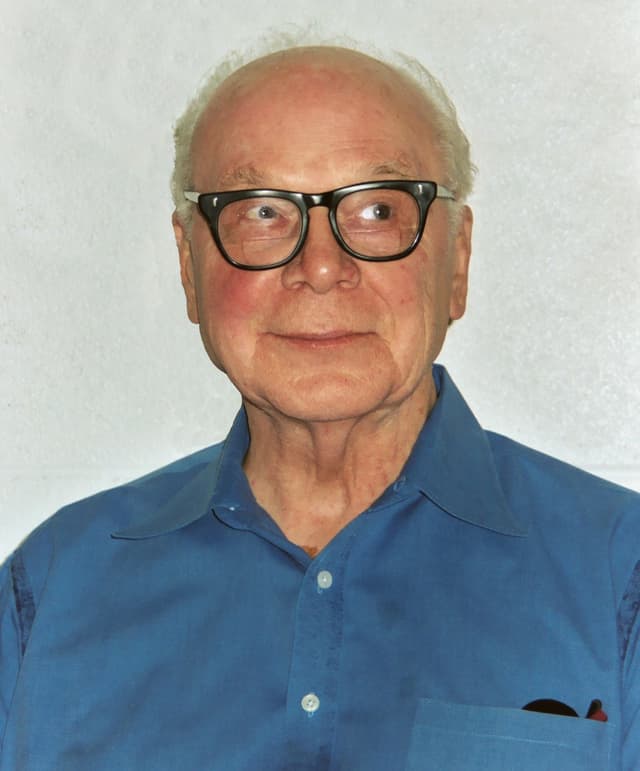
Philip José Farmer
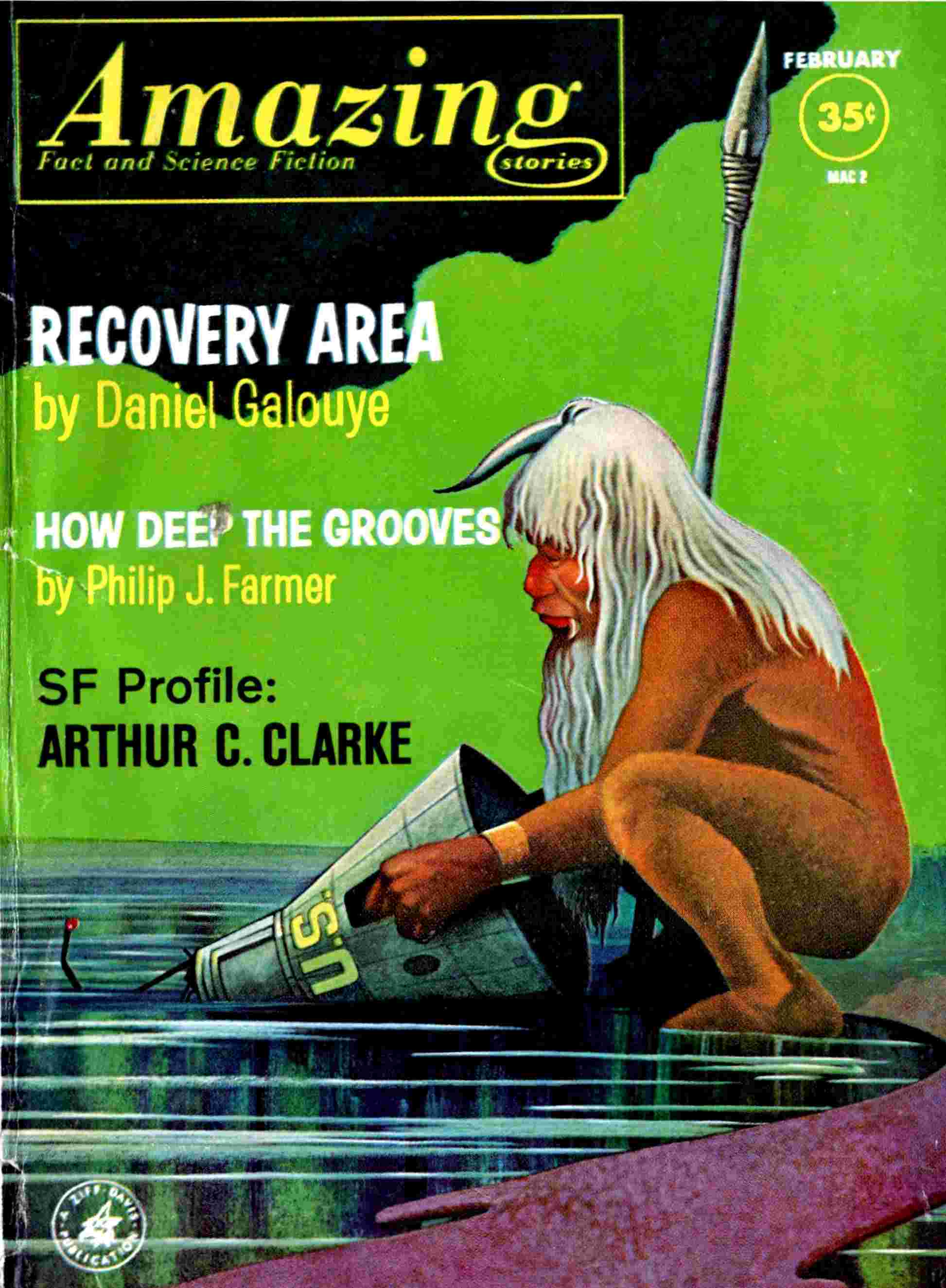
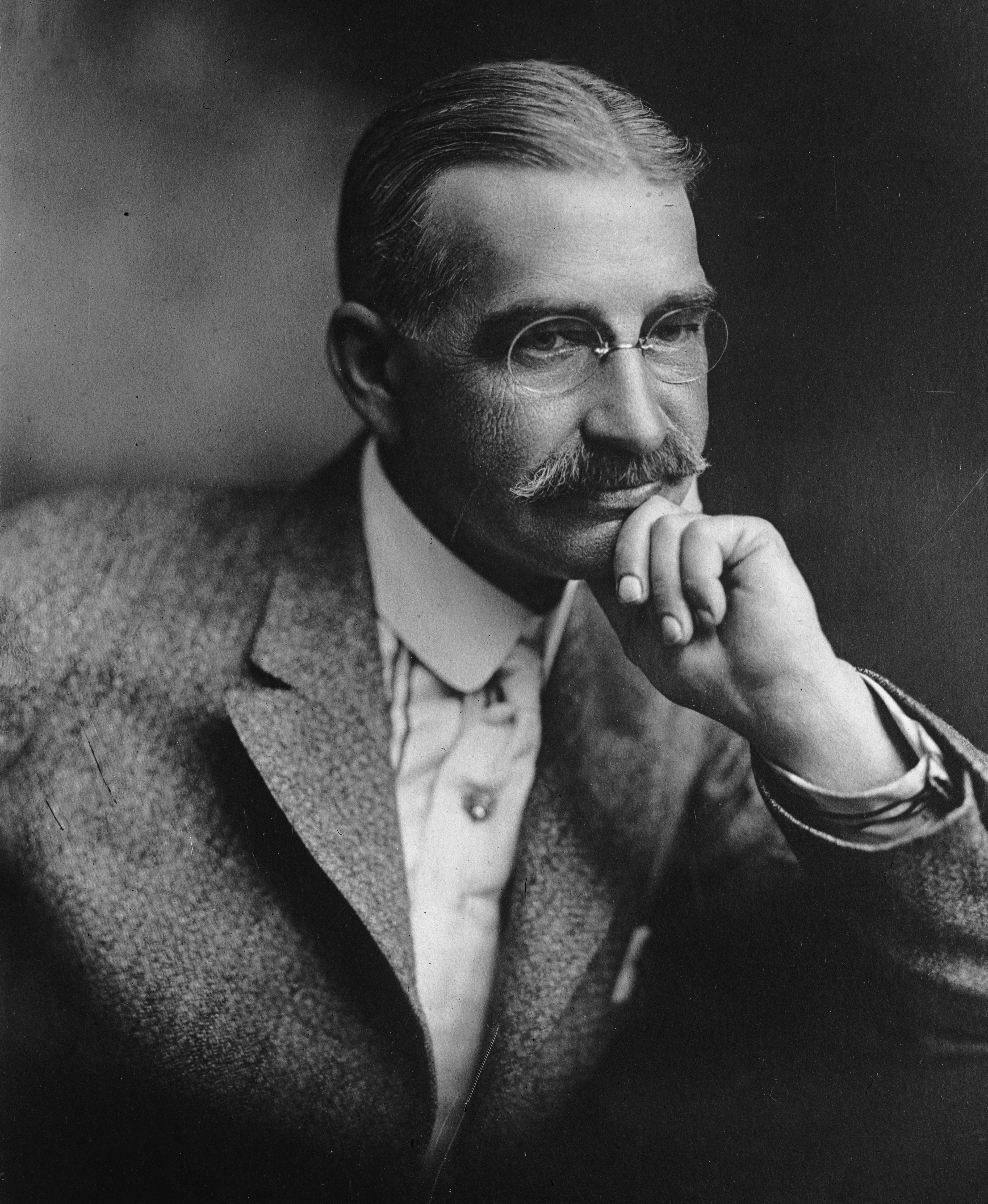
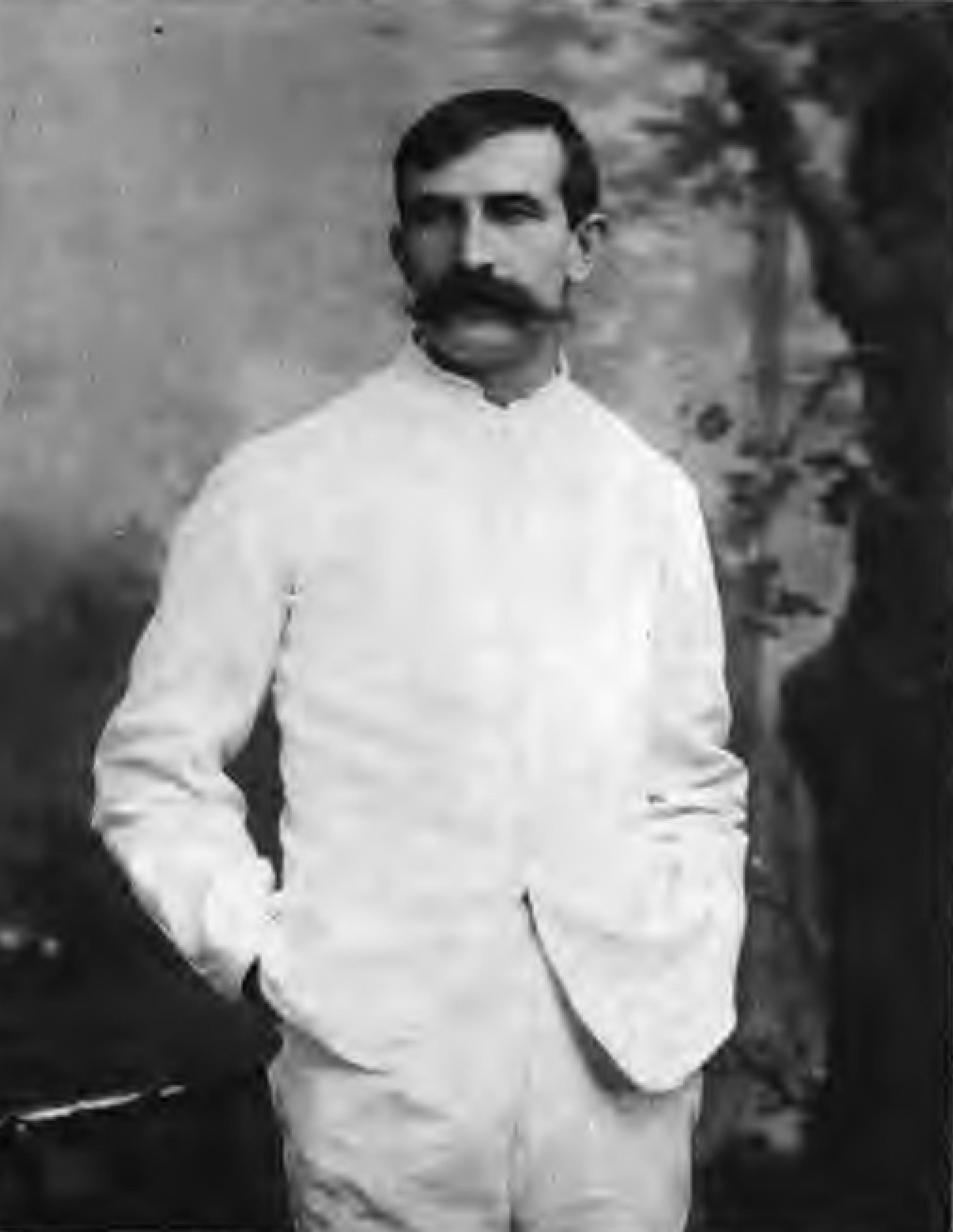
Philip José Farmer was an influential American science fiction and fantasy writer known for his imaginative storytelling and innovative concepts. He gained prominence in the 1950s with works such as 'The Lovers,' which explored themes of sexuality and human relationships in a speculative context, challenging the norms of the genre. Farmer's unique blend of myth and science fiction was further exemplified in his Riverworld series, beginning with 'To Your Scattered Bodies Go,' where he envisioned a world where all of humanity's souls are resurrected along a vast river, prompting profound philosophical inquiries about life, death, and identity. Farmer's literary significance lies not only in his inventive narratives but also in his ability to push the boundaries of science fiction. He often incorporated real historical figures into his stories, as seen in 'The Other Log of Phileas Fogg,' which reimagined Jules Verne's classic adventure. His works have inspired countless authors and have been recognized with multiple Hugo and Nebula awards. Farmer's legacy endures as a pioneer who expanded the horizons of speculative fiction, inviting readers to explore complex themes through the lens of fantastical worlds.
Famous Quotes
View all 20 quotes“Imagination is like a muscle. I found out that the more I wrote, the bigger it got.””
“Dullard: Someone who looks up a thing in the encyclopedia, turns directly to the entry, reads it, and then closes the book.””
“It was the essence of life to disbelieve in death for one's self, to act as if life would continue forever. And life had to act also as if little issues were big ones. To take a realistic attitude toward life and death meant that one lapsed into unreality. Into insanity. It was ironic that the only way to keep one's sanity was to ignore that one was in an insane world or to act as if the world were sane.””
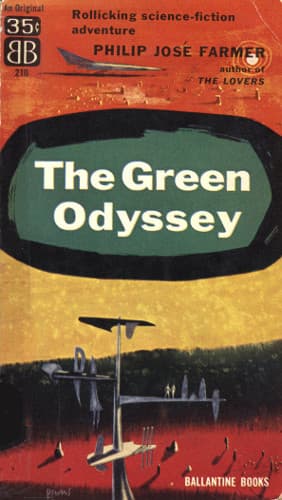
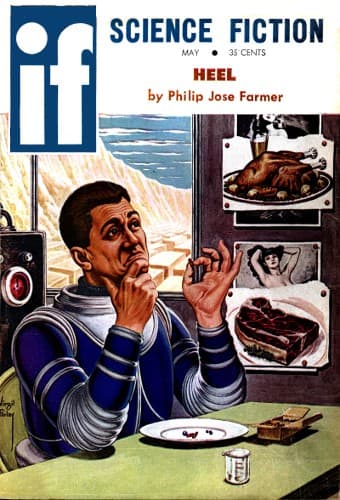
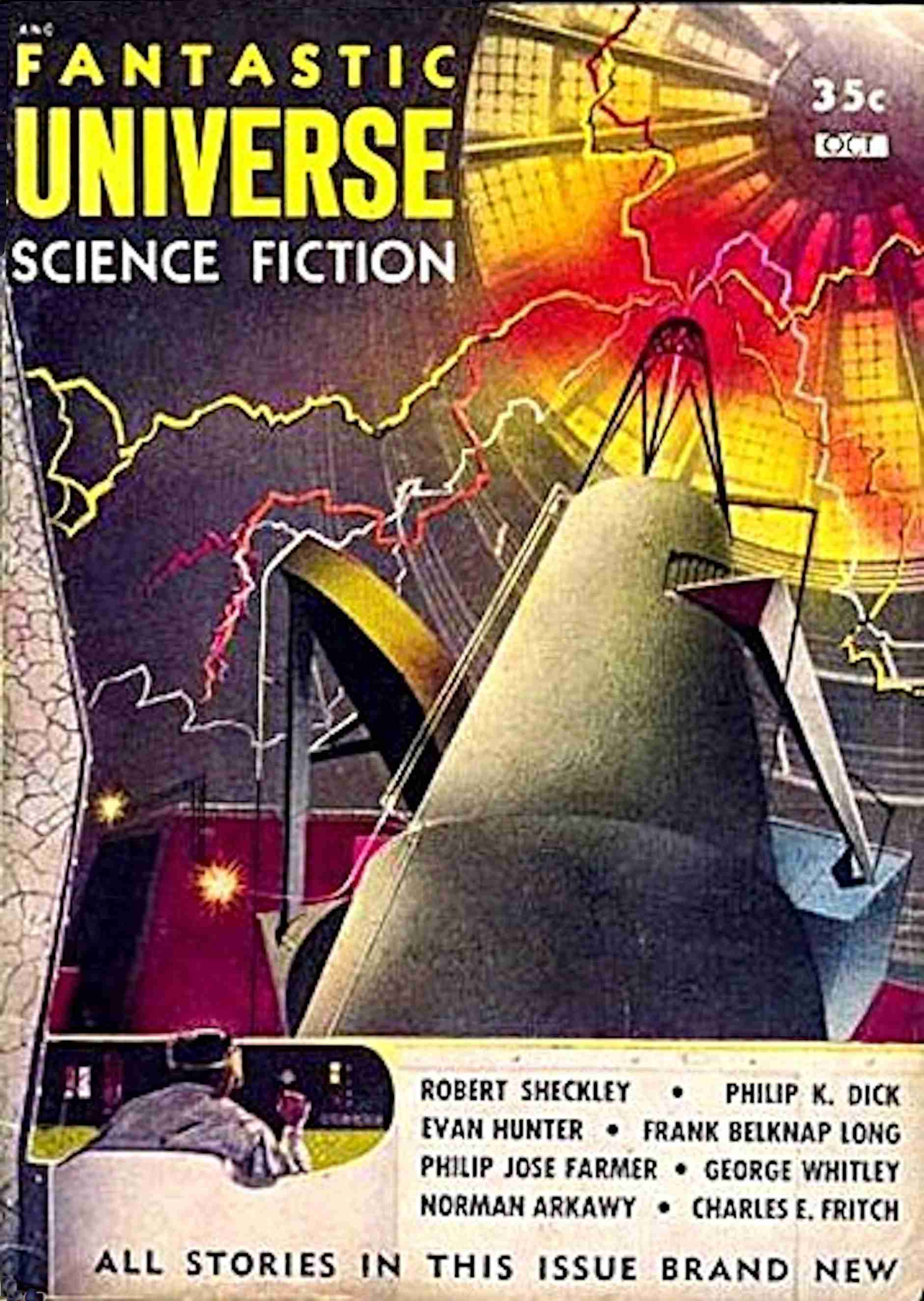
Books from the author




Link to this page
Add a free, dofollow link to Lex on your blog, forum, syllabus, or reading list.

<a href="https://lex-books.com/author/philip-josé-farmer"><img src="https://lex-books.com/badges/read-on-lex.svg" alt="Philip José Farmer on Lex" width="160" height="40"></a>[](https://lex-books.com/author/philip-josé-farmer)[url=https://lex-books.com/author/philip-josé-farmer][img]https://lex-books.com/badges/read-on-lex.svg[/img][/url]Philip José Farmer on Lex: https://lex-books.com/author/philip-josé-farmer