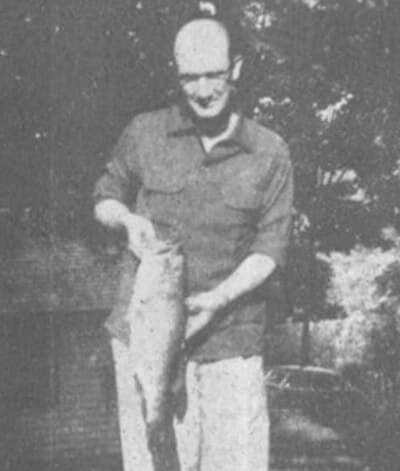
Paul W. Fairman
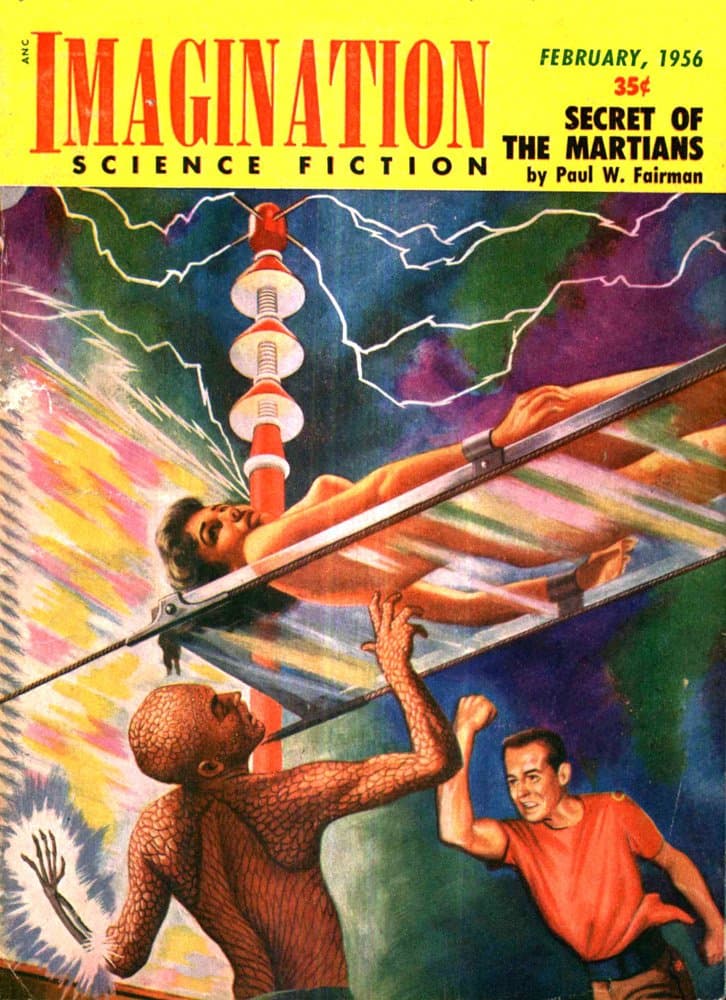
Paul W. Fairman was a versatile American writer and editor known for his contributions to the genres of science fiction and detective fiction. He began his literary career with stories such as 'Late Rain,' published in 1947 in Mammoth Detective, and 'No Teeth for the Tiger' in Amazing Stories in 1950. Fairman's ability to navigate different genres showcased his adaptability and creativity as a writer. In 1952, he became the founding editor of If, a notable science fiction magazine, although his tenure was brief, lasting only four issues. In 1955, Fairman took on the dual role of editor for both Amazing Stories and Fantastic, where he remained until 1958. His editorial work significantly influenced the landscape of mid-20th century science fiction, helping to shape the genre during a pivotal time. Additionally, some of his short stories, including 'Deadly City' and 'The Cosmic Frame,' were adapted into motion pictures, further cementing his impact on popular culture. Fairman's legacy lies in his ability to blend genres and his editorial contributions, which helped to elevate the visibility of science fiction during a transformative era in literature and film.
Books from the author



Link to this page
Add a free, dofollow link to Lex on your blog, forum, syllabus, or reading list.

<a href="https://lex-books.com/author/paul-w-fairman"><img src="https://lex-books.com/badges/read-on-lex.svg" alt="Paul W. Fairman on Lex" width="160" height="40"></a>[](https://lex-books.com/author/paul-w-fairman)[url=https://lex-books.com/author/paul-w-fairman][img]https://lex-books.com/badges/read-on-lex.svg[/img][/url]Paul W. Fairman on Lex: https://lex-books.com/author/paul-w-fairman