Oskar Maria Graf
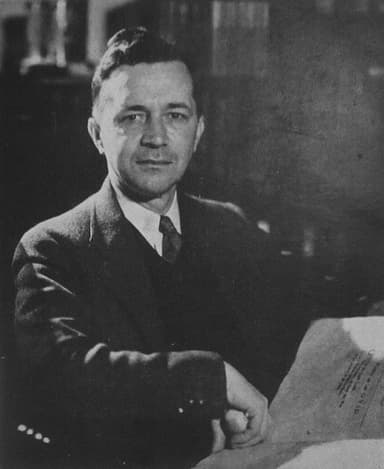
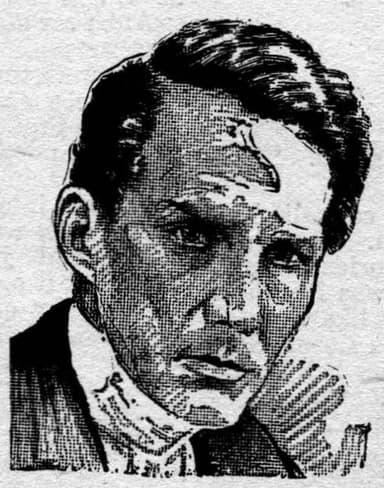
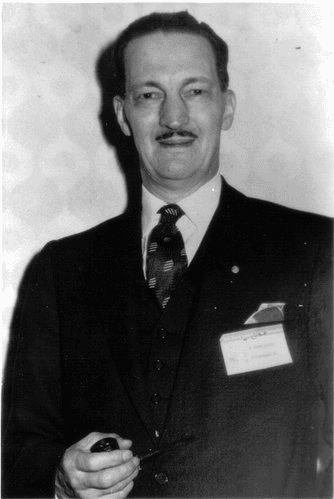
Oskar Maria Graf was a German-American writer renowned for his vivid narratives that captured the essence of Bavarian life, often drawing from his own experiences. Born in Bavaria, Graf's early life was marked by the socio-political upheaval of the early 20th century, which deeply influenced his literary voice. He initially published under his real name, Oskar Graf, but adopted the pseudonym Oskar Graf-Berg for his newspaper writings after 1918. For works he deemed significant, he chose to use the name Oskar Maria Graf, which became synonymous with his most notable literary contributions. Graf's writings, including 'The Story of a Poor Man' and 'The Great Adventure', reflect his deep connection to his Bavarian roots and his critical perspective on the societal changes occurring in Germany during his lifetime. His works often explore themes of identity, displacement, and the struggles of the individual against the backdrop of historical events. Graf's significance lies not only in his autobiographical storytelling but also in his ability to articulate the complexities of human experience during a tumultuous era. His legacy endures through his contributions to German literature, particularly in the context of the émigré experience, as he navigated the challenges of living in exile after fleeing the Nazi regime in the 1930s.
Famous Quotes
View all 1 quotes“Literatur ist: Das Wissen um den Menschen und das Wissen um alle Hintergründe der Welt vermehren.””
Books from the author