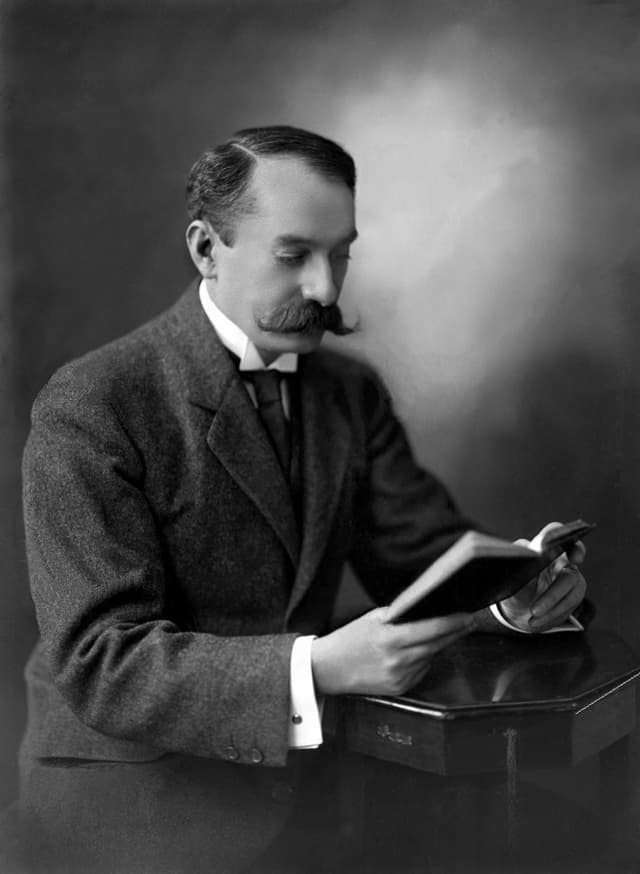
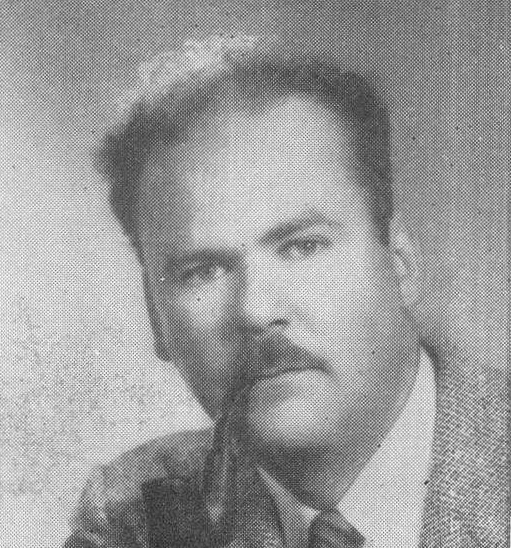
Maurice Renard
Maurice Renard was a French writer known for his contributions to the genre of speculative fiction, particularly in science fiction and fantasy. Born in Châlons-en-Champagne, he developed a fascination with the possibilities of science and technology, which became central themes in his literary works. Renard's most notable novels include "Le Péril bleu" and "L'Homme qui peut". His writing often explored the intersection of humanity and the unknown, delving into the psychological and philosophical implications of scientific advancements. Renard's significance lies in his pioneering role in French science fiction, where he blended imaginative storytelling with deep philosophical inquiries. He was among the first authors to incorporate elements of the fantastic into narratives that reflected contemporary anxieties about progress and the future. His influence can be seen in the works of later writers who sought to push the boundaries of genre fiction. Renard's legacy endures as a foundational figure in the development of speculative literature in France, inspiring generations of authors to explore the realms of the extraordinary and the unknown.
Famous Quotes
View all 3 quotes“The dinner-table is often the terrain of critical conversations, for it is there one has the better of one's interlocutor. There is no escape without scandal, there is no turning aside without self-betrayal. To invite a person to dinner is to place them under observation. Every dining-room is a temporary prison where politeness chains the guests to the laden board.”
“But Rosine had read books . . . so many books ... Her over-excited memory was filling her mind with terrifying images . . . The very excess of her imaginings forced her to take a grip on herself.”
“The emergency services had not yet been organized. Rosine could go where she wished. Her high heels made her stumble in the darkness, over the stones, the frozen clods of soil, over the tussocks of grass, the countless obstacles of the rough earth. She was shivering with cold and thought she might be about to faint away amid the sinister din of the disaster. A fearful chaos was becoming apparent. Rude forms stood erect, the silhouette of a heap of rails. Lanterns, miserable yellow stars, circulated hither and thither. There were even household oil-lamps to be seen, with which the wind dealt harshly. And, all the time, people were running ...”
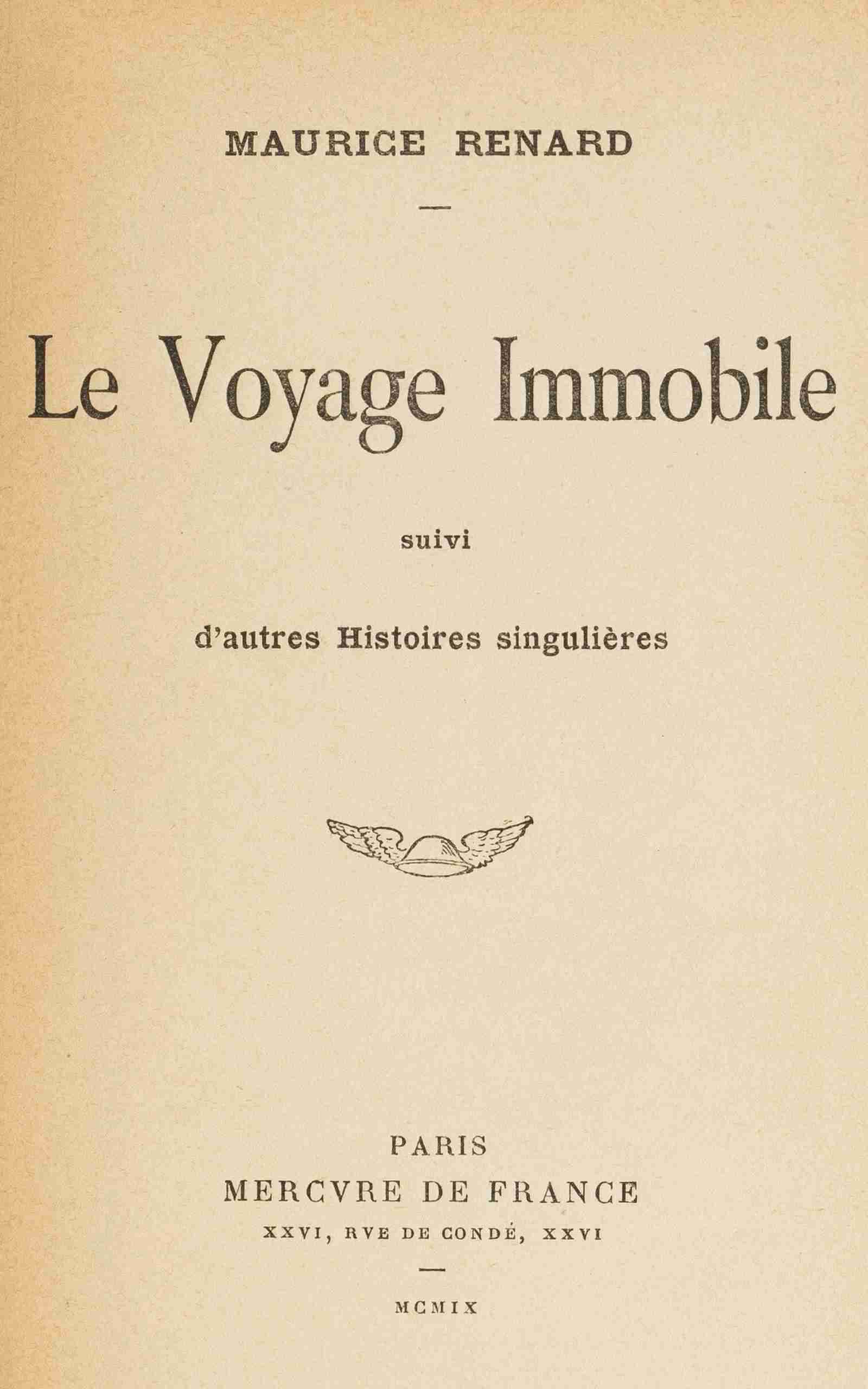
Books from the author



Link to this page
Add a free, dofollow link to Lex on your blog, forum, syllabus, or reading list.

<a href="https://lex-books.com/author/maurice-renard"><img src="https://lex-books.com/badges/read-on-lex.svg" alt="Maurice Renard on Lex" width="160" height="40"></a>[](https://lex-books.com/author/maurice-renard)[url=https://lex-books.com/author/maurice-renard][img]https://lex-books.com/badges/read-on-lex.svg[/img][/url]Maurice Renard on Lex: https://lex-books.com/author/maurice-renard