Mark Clifton
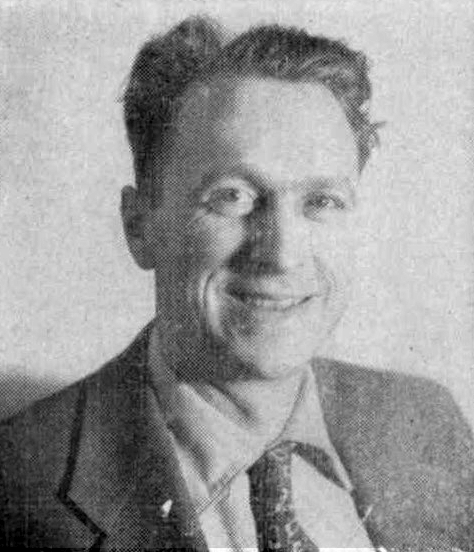
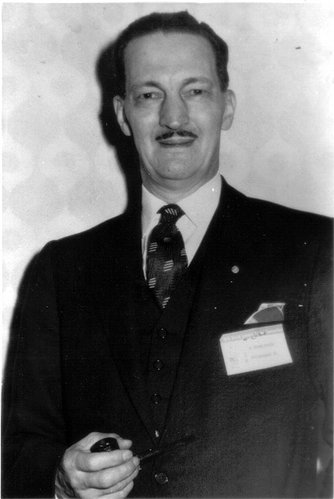
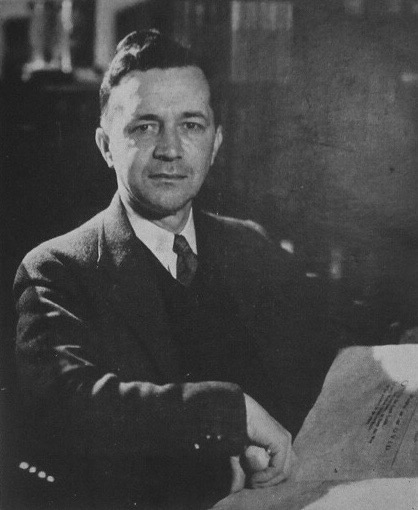
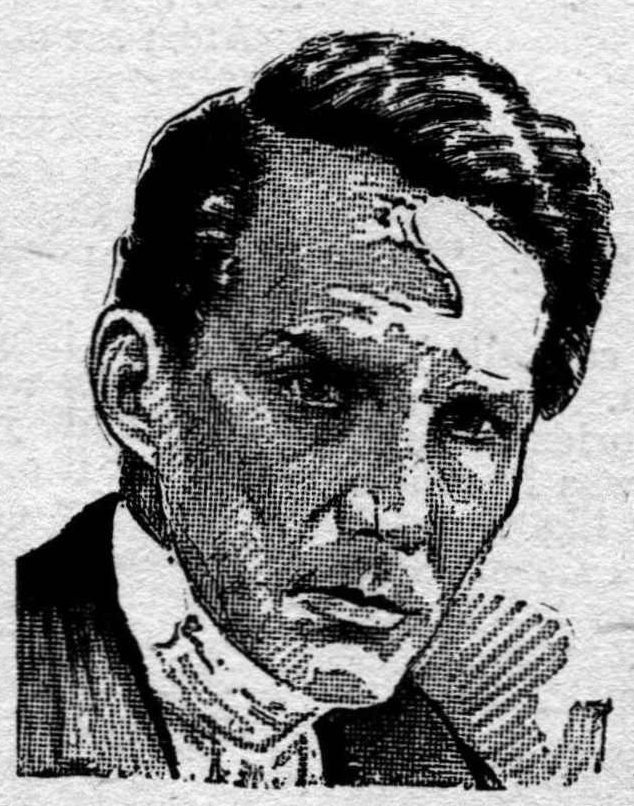
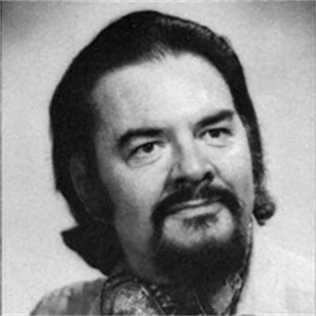
Mark Clifton was an influential American science fiction writer known for his thought-provoking narratives that often explored the complexities of human nature and society. He began his literary career in 1952 with the publication of his short story "What Have I Done?", which quickly gained recognition and was widely anthologized. Clifton's most notable work, "They'd Rather Be Right" (1954), co-written with Frank Riley, won the second Hugo Award for Best Novel, marking a significant achievement in his career and solidifying his place in the science fiction genre. His writing often delved into themes of morality, technology, and the human condition, reflecting the anxieties and aspirations of mid-20th century America. Clifton's contributions to science fiction extended beyond his award-winning works; he was known for his ability to blend speculative ideas with deep philosophical questions. His stories frequently challenged readers to consider the implications of scientific advancements and the ethical dilemmas they posed. Although he may not have achieved the same level of fame as some of his contemporaries, Clifton's unique voice and perspective have left a lasting impact on the genre, influencing future writers and shaping the evolution of science fiction literature. His legacy endures through the continued appreciation of his works and their relevance to ongoing discussions about technology and humanity.
Famous Quotes
View all 3 quotes“The scientist who would rather refute than comprehend demonstrates he has chosen the wrong calling.”
“[H]e quoted eloquently from the Bill of Rights, the Constitution, the Gettysburg Address, and a section which had been stricken from his party's platform seventy-five years ago. He was not quite clear on what all this had to do with [the present situation], but it was noble and stirring and would bring in a lot of votes.”
“People will tie in with a fanatic if for no other reason than to break the monotony of their lives.”
Books from the author


Link to this page
Add a free, dofollow link to Lex on your blog, forum, syllabus, or reading list.

<a href="https://lex-books.com/author/mark-clifton"><img src="https://lex-books.com/badges/read-on-lex.svg" alt="Mark Clifton on Lex" width="160" height="40"></a>[](https://lex-books.com/author/mark-clifton)[url=https://lex-books.com/author/mark-clifton][img]https://lex-books.com/badges/read-on-lex.svg[/img][/url]Mark Clifton on Lex: https://lex-books.com/author/mark-clifton