Marion Mills Miller
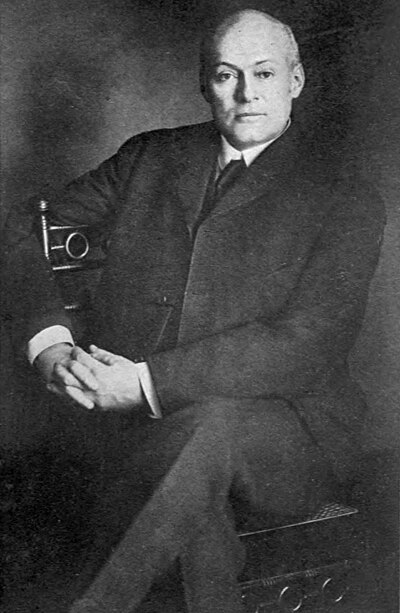
Marion Mills Miller was an American author and historian known for his contributions to the understanding of political and economic debates in the United States. His most notable work, "American Debate: A History of Political and Economic Controversy in the United States," offered a comprehensive examination of key issues that shaped the nation, including land and slavery questions from the colonial period through the Civil War. This multi-part series not only documented historical debates but also provided insights into the socio-economic factors that influenced American society. In addition to his historical analyses, Miller wrote "Practical Suggestions for Mother and Housewife," which reflected the domestic concerns of women during his time. This work provided practical advice and insights into household management, highlighting the evolving role of women in the early 20th century. Through his diverse writings, Miller contributed to both historical scholarship and the discourse on gender roles, making him a significant figure in early American literature and social commentary. His legacy lies in his ability to intertwine historical narrative with contemporary social issues, offering a lens through which to view the complexities of American life in his era.
Famous Quotes
View all 3 quotes“We may live without poetry, music and art; We may live without conscience, and live without heart; We may live without friends; we may live without books; But civilized man cannot live without cooks. ("OWEN MEREDITH")—Lucile.”
“She, keeping green Love's lilies for the one unseen, Counselling but her woman's heart, Chose in all ways the better part. BENJAMIN HATHAWAY—By the Fireside.”
“Her very soul is in home, and in the discharge of all those quiet virtues of which home is the centre. Her husband will be to her the object of all her care, solicitude and affection. She will see nothing but by him, and through him. If he is a man of sense and virtue, she will sympathize in his sorrows, divert his fatigue, and share his pleasures. If she becomes the property of a churlish or negligent husband, she will suit his taste also, for she will not long survive his unkindness."—SIR WALTER SCOTT—Waverley.”
Books from the author



Link to this page
Add a free, dofollow link to Lex on your blog, forum, syllabus, or reading list.

<a href="https://lex-books.com/author/marion-mills-miller"><img src="https://lex-books.com/badges/read-on-lex.svg" alt="Marion Mills Miller on Lex" width="160" height="40"></a>[](https://lex-books.com/author/marion-mills-miller)[url=https://lex-books.com/author/marion-mills-miller][img]https://lex-books.com/badges/read-on-lex.svg[/img][/url]Marion Mills Miller on Lex: https://lex-books.com/author/marion-mills-miller