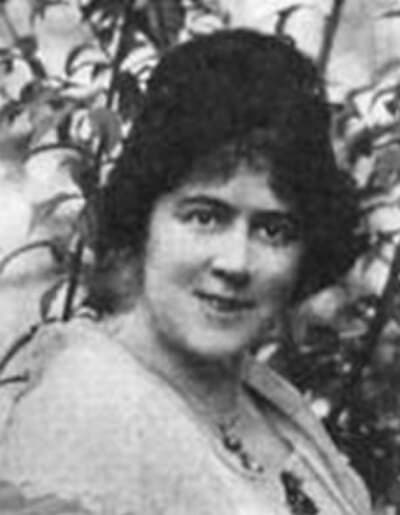
Margaret Widdemer
Margaret Widdemer was an influential American poet and novelist whose literary career spanned several decades in the early to mid-20th century. Born in 1884, she gained significant recognition for her poignant and evocative writing style, which often explored themes of nature, love, and the human experience. Widdemer's most notable work, 'The Old Road to Paradise,' earned her the Pulitzer Prize in 1919, an honor she shared with the esteemed poet Carl Sandburg for his collection 'Cornhuskers.' This accolade marked her as a prominent figure in American literature during a time when female voices were increasingly gaining prominence in the literary world. Throughout her career, Widdemer published numerous poetry collections and novels, contributing to the rich tapestry of American poetry and fiction. Her works are characterized by their lyrical quality and emotional depth, reflecting both personal and universal themes. Widdemer's legacy endures not only through her award-winning poetry but also as a pioneer for women writers in the early 20th century, paving the way for future generations of female authors to express their voices and experiences in literature.
Famous Quotes
View all 3 quotes“Pain has been and grief enough and bitterness and crying, Sharp ways and stony ways I think it was she trod; But all there is to see now is a white bird flying, Whose blood-stained wings go circling high—circling up to God!”
“But when your heart is tired and dumb, your soul has need of ease, There’s none like the quiet folk who wait in libraries– The counselors who never change, the friends who never go, The old books, the dear books that understand and know!”
“For some reason she found that Allan Harrington's attitude of absolute detachment made the whole affair seem much easier for her. And when Mrs. Harrington slipped a solitaire diamond into her hand as she went, instead of disliking it she enjoyed its feel on her finger, and the flash of it in the light. She thanked Mrs. Harrington for it with real gratitude. But it made her feel more than ever engaged to marry her mother-in-law.”
Books from the author
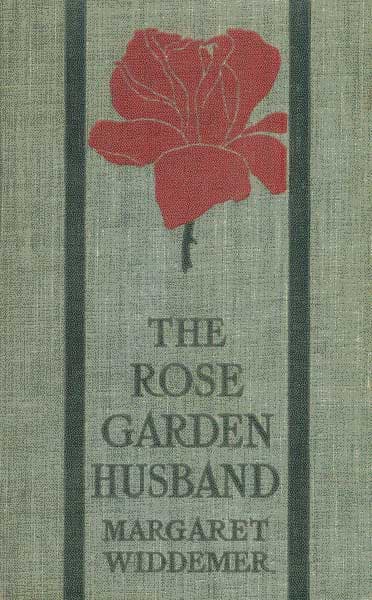
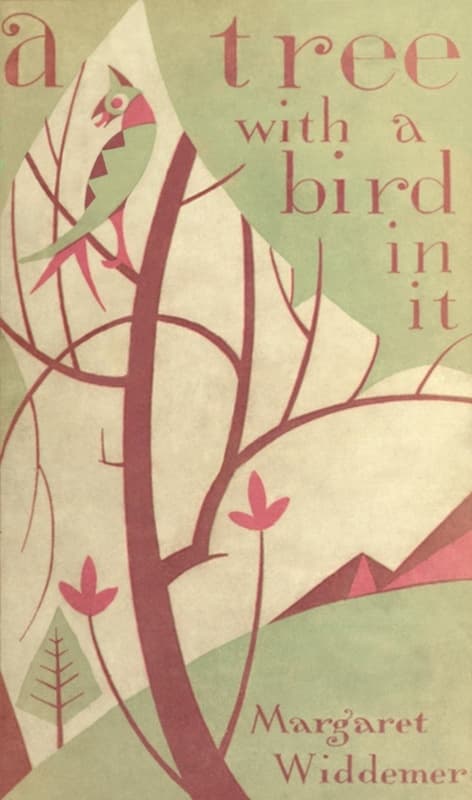



Link to this page
Add a free, dofollow link to Lex on your blog, forum, syllabus, or reading list.

<a href="https://lex-books.com/author/margaret-widdemer"><img src="https://lex-books.com/badges/read-on-lex.svg" alt="Margaret Widdemer on Lex" width="160" height="40"></a>[](https://lex-books.com/author/margaret-widdemer)[url=https://lex-books.com/author/margaret-widdemer][img]https://lex-books.com/badges/read-on-lex.svg[/img][/url]Margaret Widdemer on Lex: https://lex-books.com/author/margaret-widdemer