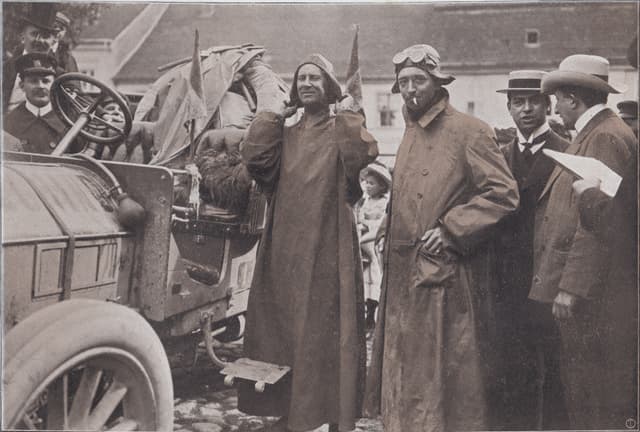
Luigi Barzini
Luigi Barzini was an influential Italian journalist and writer, best known for his insightful observations on Italian society and culture. Born in a prominent family in Milan, Barzini's early life was steeped in the rich traditions of Italian literature and journalism. He began his career as a journalist, contributing to various publications, where he honed his skills in capturing the nuances of Italian life. His experiences abroad, particularly in the United States, enriched his perspective and informed much of his later work. Among his notable works, "The Italians" stands out as a seminal exploration of Italian identity, blending personal anecdotes with broader cultural analysis. Barzini's writing is characterized by its keen wit and deep understanding of the complexities of Italian life, making him a significant figure in 20th-century literature. His ability to articulate the Italian spirit and the contradictions within it has left a lasting impact on both Italian literature and cultural studies. Through his journalism and literary contributions, Barzini not only documented his times but also influenced how Italy was perceived by the outside world, solidifying his legacy as a critical voice in understanding Italian culture.
Famous Quotes
View all 1 quotes“Behind the shoulders of the Virgin or some bearded Father of the Church, the Italian painter joyfully depicted a miniature town or a well-cultivated landscape, so small that only from a very short distance could all the details be discerned, the walls, towers, churches, streets, the artisans at work, the ships in the river, the ladies on the balcony, the children, the barking dogs, the gaily coloured clothes drying in the sun, the ploughman and the hunter. Many nordic travellers who lagged behind the times apprehensively thought they detected a slight odour of sulphur and brimstone about art and life in Italy, the ‘odour of unsanctity’. They still detect it today. The country was in fact slowly acquiring that pagan, slightly irreverent, sacrilegious reputation which it was never to lose. The reputation did not repel visitors. In fact, the danger of losing their souls attracted as many of them as the hope of gaining everlasting salvation.”
Books from the author
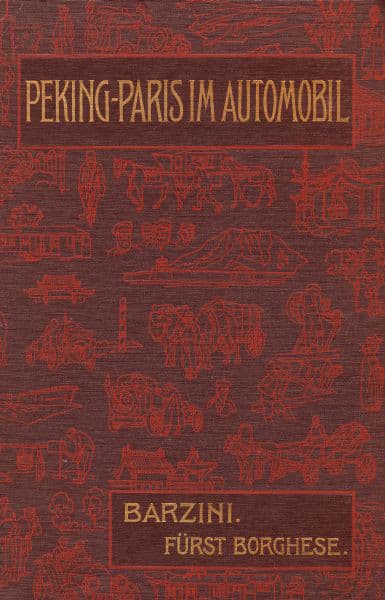

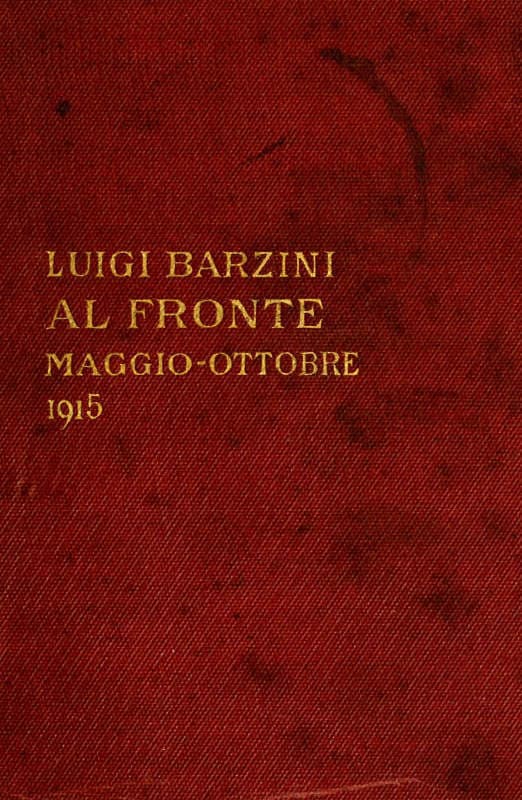






Link to this page
Add a free, dofollow link to Lex on your blog, forum, syllabus, or reading list.

<a href="https://lex-books.com/author/luigi-barzini"><img src="https://lex-books.com/badges/read-on-lex.svg" alt="Luigi Barzini on Lex" width="160" height="40"></a>[](https://lex-books.com/author/luigi-barzini)[url=https://lex-books.com/author/luigi-barzini][img]https://lex-books.com/badges/read-on-lex.svg[/img][/url]Luigi Barzini on Lex: https://lex-books.com/author/luigi-barzini