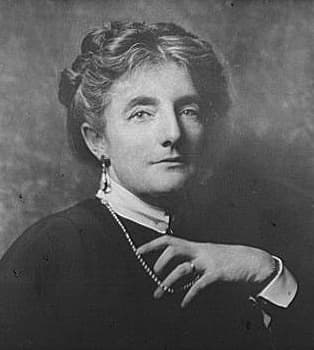
Kathleen Thompson Norris
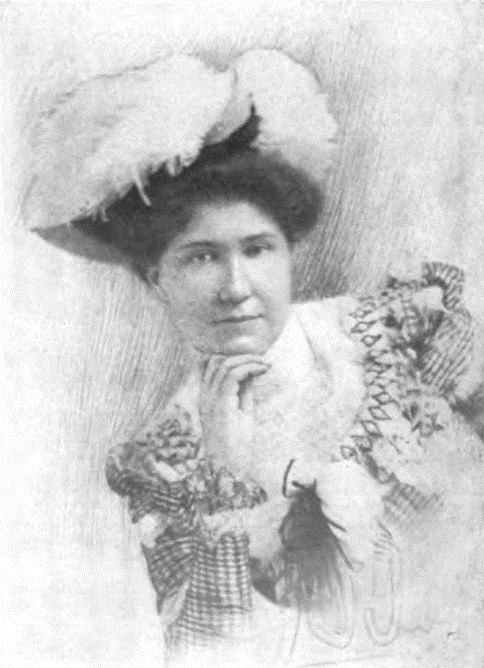
Kathleen Thompson Norris was a prominent American novelist and newspaper columnist whose literary career spanned nearly five decades. She emerged as one of the most widely read and highest-paid female writers in the United States from 1911 to 1959, producing an impressive body of work that included 93 novels, many of which became bestsellers. Norris's stories frequently graced the pages of popular magazines such as The Atlantic, The American Magazine, and Ladies' Home Journal, allowing her to reach a vast audience. Her writing often focused on themes of family, morality, and the sanctity of marriage, reflecting the societal values of her time. Norris's influence extended beyond her novels; she played a significant role in shaping the discourse around women's roles in society, particularly in the context of motherhood and service. Her works, characterized by their accessible prose and relatable characters, resonated with readers and contributed to the evolving narrative of women's literature in the early 20th century. Through her prolific output and engagement with contemporary issues, Kathleen Thompson Norris left a lasting legacy in American literature, paving the way for future generations of female writers.
Famous Quotes
View all 3 quotes“Just the knowledge that a good book is awaiting one at the end of a long day makes that day happier.”
“Why, the club was just the quietest place in the world, a place where a woman could run in to brush her hair and wash her hands, and change her library book, and have a cup of tea.”
“Now I know what makes you so different from other women," said John Tenison, when he and Margaret were alone. "It's having that wonderful mother! She--she--well, she's one woman in a million; I don't have to tell you that! It's something to thank God for, a mother like that; it's a privilege to know her. I've been watching her all day, and I've been wondering what SHE gets out of it--that was what puzzled me; but now, just now, I've found out! This morning, thinking what her life is, I couldn't see what REPAID her, do you see? What made up to her for the unending, unending effort, and sacrifice, the pouring out of love and sympathy and help--year after year after year..." He hesitated, but Margaret did not speak. "You know," he went on musingly, "in these days, when women just serenely ignore the question of children, or at most, as a special concession, bring up one or two--just the one or two whose expenses can be comfortably met!--there's something magnificent in a woman like your mother, who begins eight destinies instead of one! She doesn't strain and chafe to express herself through the medium of poetry or music or the stage, but she puts her whole splendid philosophy into her nursery--launches sound little bodies and minds that have their first growth cleanly and purely about her knees. Responsibility--that's what these other women say they are afraid of! But it seems to me there's no responsibility like that of decreeing that young lives simply SHALL NOT BE. Why, what good is learning, or elegance of manner, or painfully acquired fineness of speech, and taste and point of view, if you are not going to distill it into the growing plants, the only real hope we have in the world! You know, Miss Paget," his smile was very sweet in the half darkness, "there's a higher tribunal than the social tribunal of this world, after all; and it seems to me that a woman who stands there, as your mother will, with a forest of new lives about her, and a record like hers, will--will find she has a Friend at court!" he finished whimsically.”
Books from the author




Link to this page
Add a free, dofollow link to Lex on your blog, forum, syllabus, or reading list.

<a href="https://lex-books.com/author/kathleen-thompson-norris"><img src="https://lex-books.com/badges/read-on-lex.svg" alt="Kathleen Thompson Norris on Lex" width="160" height="40"></a>[](https://lex-books.com/author/kathleen-thompson-norris)[url=https://lex-books.com/author/kathleen-thompson-norris][img]https://lex-books.com/badges/read-on-lex.svg[/img][/url]Kathleen Thompson Norris on Lex: https://lex-books.com/author/kathleen-thompson-norris