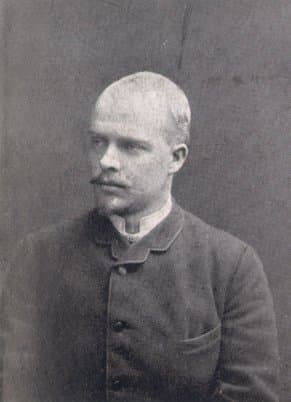
Karl August Tavaststjerna
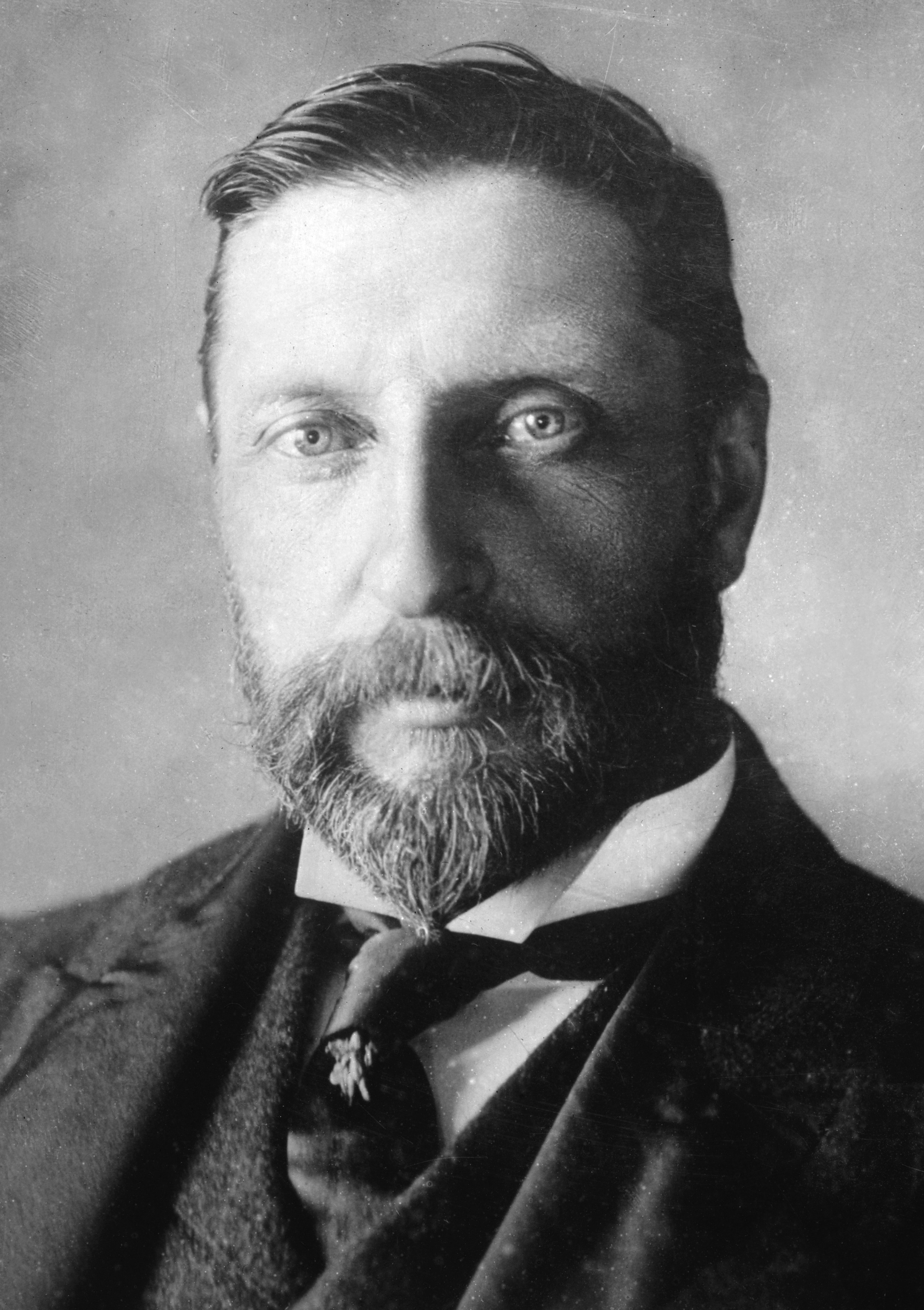
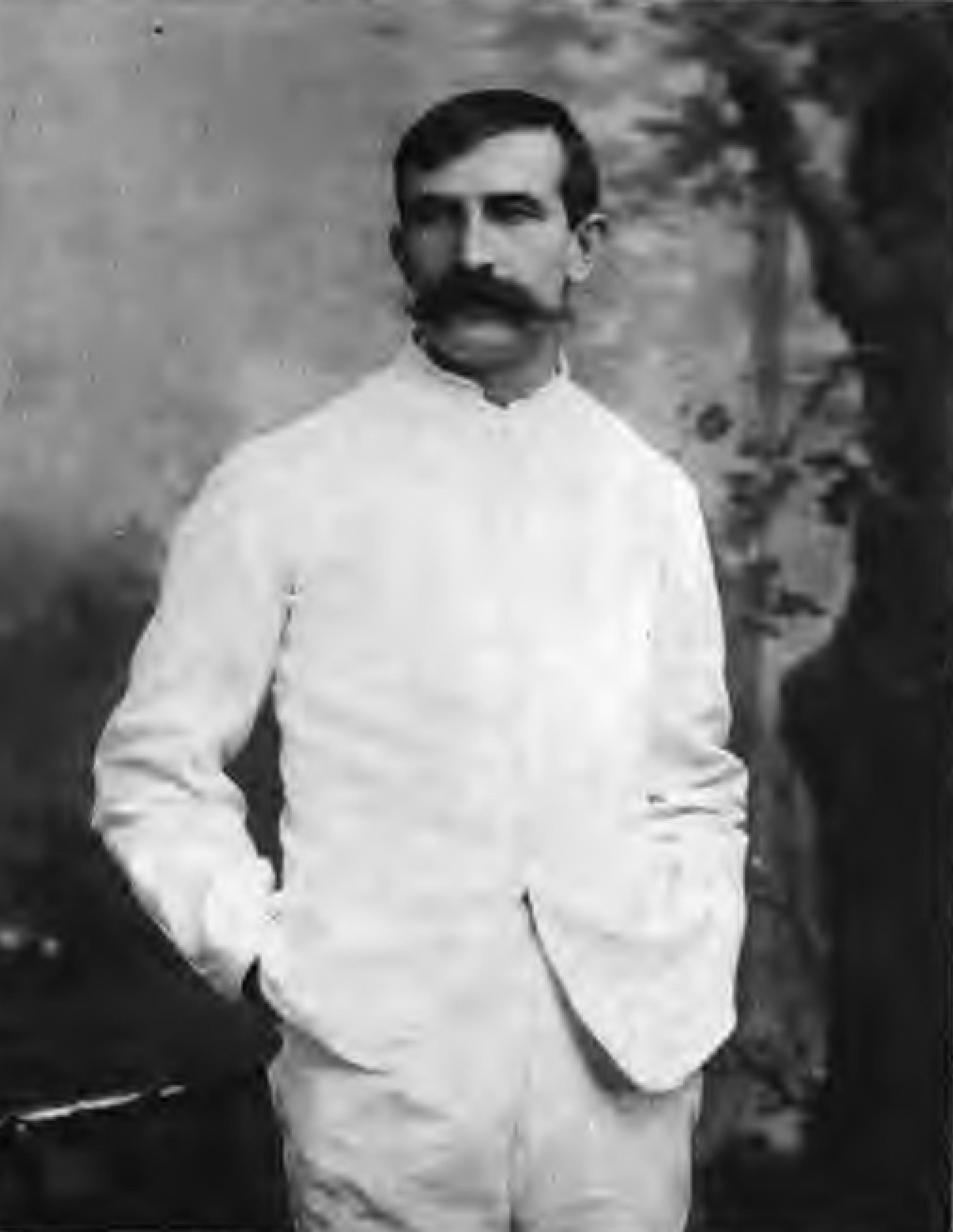
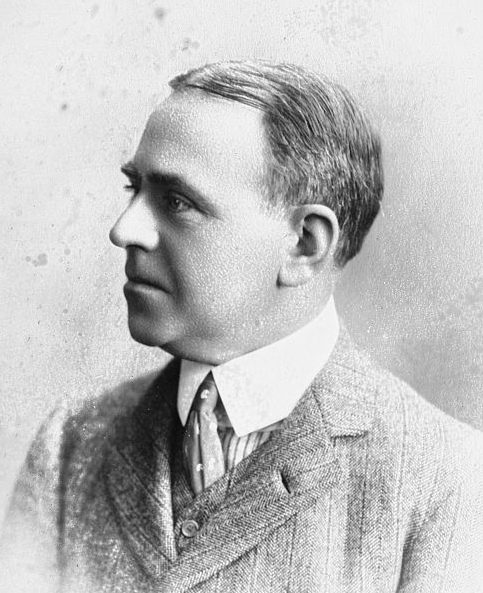
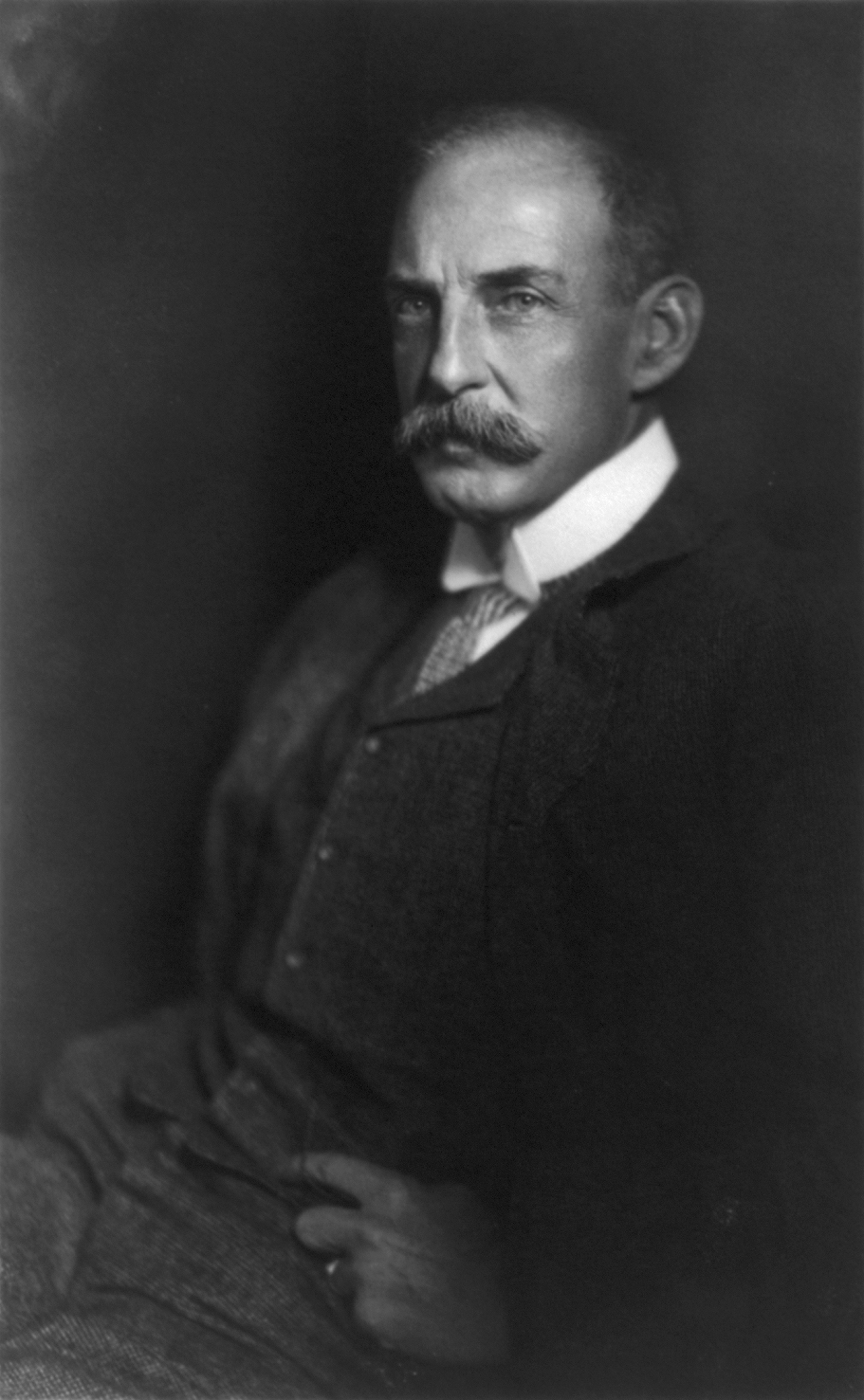
Karl August Tavaststjerna was a Finnish author and playwright whose works reflect the cultural and social currents of 19th-century Finland. Born in 1860, he emerged as a significant literary figure during a period marked by national awakening and a growing interest in Finnish identity. His writing often explored themes of struggle and resilience, particularly in the context of Finland's historical hardships, as seen in his notable work 'Kovina Aikoina: Kertomus Suomen Viimeisten Nälkävuosien Ajoilta,' which delves into the famine years that plagued Finland in the 1860s. Tavaststjerna's ability to weave personal and national narratives made his stories resonate with readers of his time. In addition to his historical narratives, Tavaststjerna contributed to the Finnish literary landscape through poetry and drama, with works like 'Valikoima Runoelmia' showcasing his lyrical prowess. His play 'Muru': Huvinäytelmä yhdessä näytöksessä' exemplifies his talent for theatrical storytelling, while 'Judith Och Holofernes: Historiskt Skådespel I 4 Akter Och 8 Tablåer' reflects his engagement with classical themes and dramatic structure. Through his diverse body of work, Tavaststjerna played a crucial role in shaping Finnish literature, leaving a legacy that continues to be appreciated for its cultural significance and artistic merit.
Books from the author






Link to this page
Add a free, dofollow link to Lex on your blog, forum, syllabus, or reading list.

<a href="https://lex-books.com/author/karl-august-tavaststjerna"><img src="https://lex-books.com/badges/read-on-lex.svg" alt="Karl August Tavaststjerna on Lex" width="160" height="40"></a>[](https://lex-books.com/author/karl-august-tavaststjerna)[url=https://lex-books.com/author/karl-august-tavaststjerna][img]https://lex-books.com/badges/read-on-lex.svg[/img][/url]Karl August Tavaststjerna on Lex: https://lex-books.com/author/karl-august-tavaststjerna