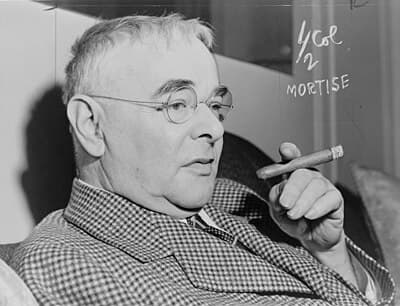
Joseph Hergesheimer
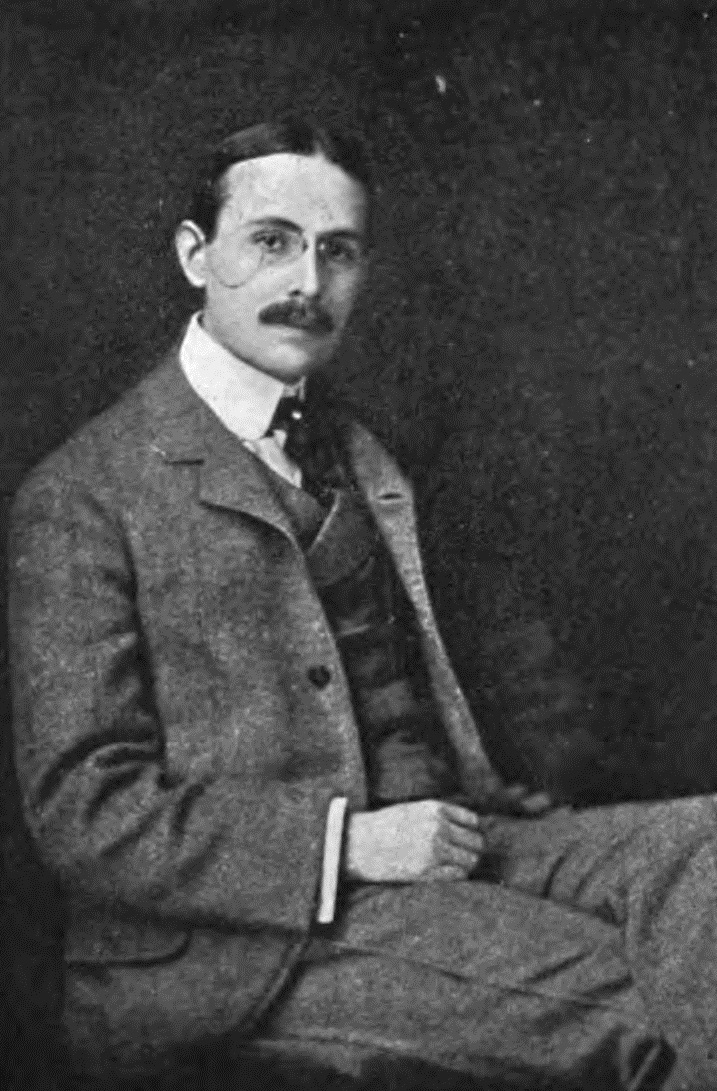
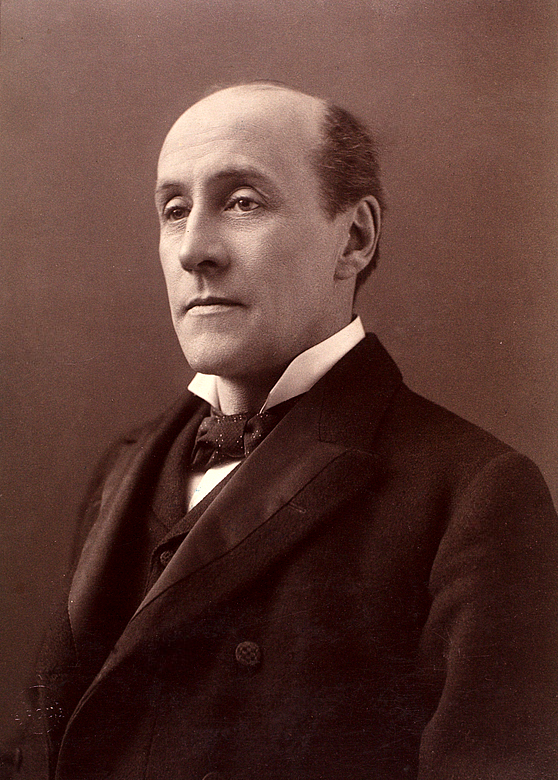
Joseph Hergesheimer was an American novelist renowned for his vivid portrayals of the decadent lifestyles of the affluent during the early 20th century. Born in Pennsylvania, he moved to New York City where he became a prominent figure in the literary scene. His works often explored themes of wealth, excess, and the moral complexities of the upper class, reflecting the societal changes of his time. Hergesheimer's writing style was characterized by lush descriptions and a keen psychological insight into his characters, which set him apart from his contemporaries. Among his notable works are 'Java Head' and 'The Happy End,' which exemplify his fascination with the lives of the rich and their often tumultuous relationships. His narratives frequently delved into the intricacies of human emotions and the impact of social status on personal identity. Hergesheimer's contributions to American literature were significant, as he captured the essence of a society in transition, making him a key figure in the literary landscape of his era. His legacy endures through the continued interest in his exploration of the complexities of wealth and morality.
Famous Quotes
View all 3 quotes“The wisdom lay in this–that here she must remain Manchu, Chinese; any attempt to become a part of this incomprehensible country, any effort to involve herself in its mysterious acts or thought, would be disastrous. She must remain calm, unassertive, let the eternal Tao take its way.”
“In a flash of self-comprehension, Roger Brevard knew that he would never, as he had hped, leave Salem. He was abstemious man, one of a family of long lives, and he would linger here, increasingly unimportant, for a great while, an old man in new epochs, isolated among strange people and prejudices. Whatever the cause - the small safety or an inward flaw - he had never been part of the corporate sweating humanity where, in the war of spirit and flesh, the vital rewards and accomplishments were found.”
“In a flash of self-comprehension, Roger Brevard knew that he would never, as he had hoped, leave Salem. He was abstemious man, one of a family of long lives, and he would linger here, increasingly unimportant, for a great while, an old man in new epochs, isolated among strange people and prejudices. Whatever the cause - the small safety or an inward flaw - he had never been part of the corporate sweating humanity where, in the war of spirit and flesh, the vital rewards and accomplishments were found.”
Books from the author
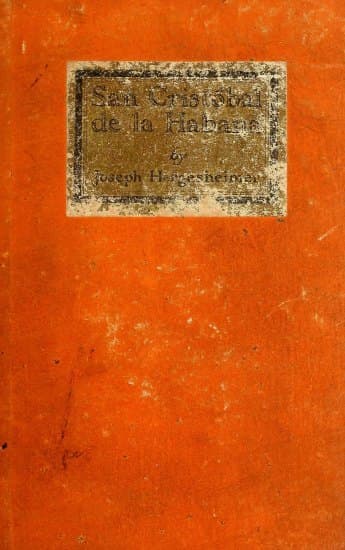


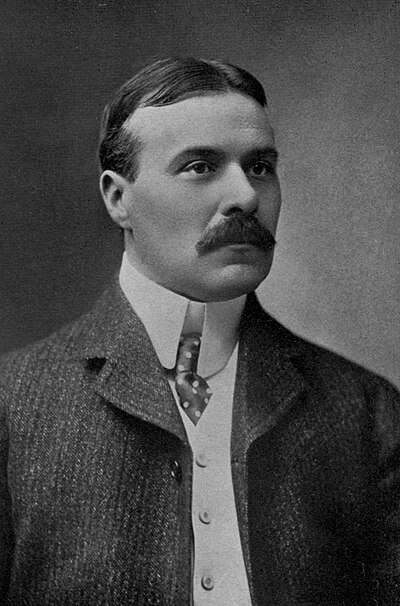
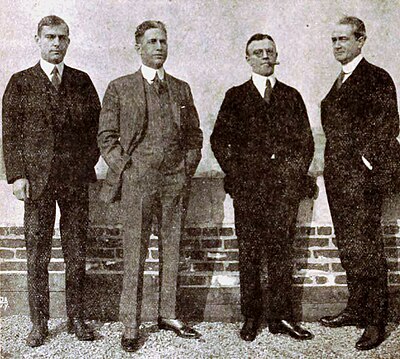

Link to this page
Add a free, dofollow link to Lex on your blog, forum, syllabus, or reading list.

<a href="https://lex-books.com/author/joseph-hergesheimer"><img src="https://lex-books.com/badges/read-on-lex.svg" alt="Joseph Hergesheimer on Lex" width="160" height="40"></a>[](https://lex-books.com/author/joseph-hergesheimer)[url=https://lex-books.com/author/joseph-hergesheimer][img]https://lex-books.com/badges/read-on-lex.svg[/img][/url]Joseph Hergesheimer on Lex: https://lex-books.com/author/joseph-hergesheimer