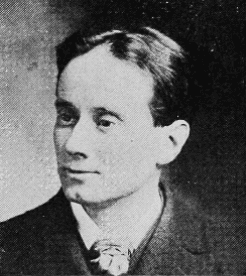
Joseph Clayton
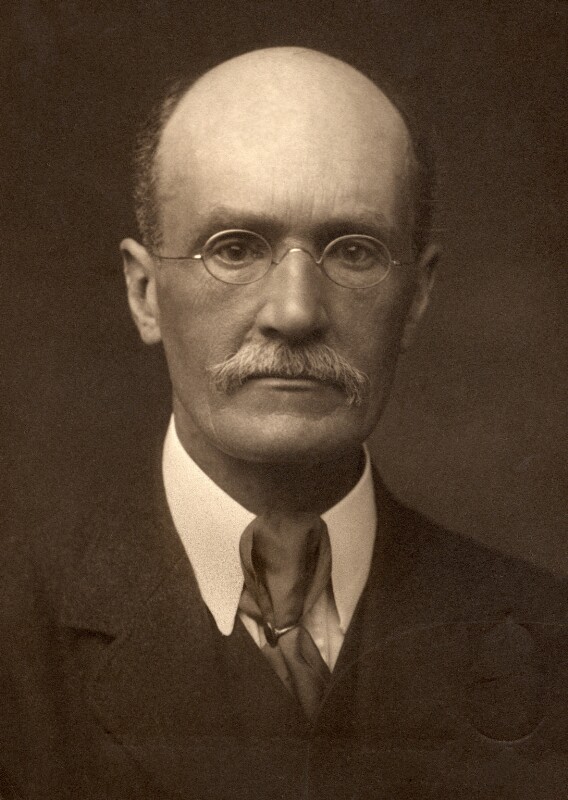
Joseph Clayton was an English freelance journalist and biographer known for his extensive writings on trade union and socialist history. His work often explored the lives and contributions of significant religious figures, intertwining social and spiritual narratives that reflected the complexities of his time. Clayton's commitment to documenting the evolution of labor movements and the influence of socialism in Britain positioned him as a key figure in the historical discourse of the early 20th century. Among his notable works, Clayton authored several biographies that not only chronicled the lives of influential individuals but also provided critical insights into the socio-political landscapes they navigated. His writings contributed to a greater understanding of the interplay between religion and social reform, making him a significant voice in the historical literature of his era. Clayton's legacy endures through his meticulous research and the depth of his biographical accounts, which continue to inform discussions on labor history and the role of faith in social change.
Famous Quotes
View all 1 quotes“The decrees and canons of the greatest Church Council of the Middle Ages must be read as the sign of a quickened conscience in Christendom, not as proof of general depravity. A Nation or smaller civic community that passes enactments for the checking of avarice or the prohibition of other evil-doing is not sunk in vice. Far from it. It is alive to the disease that troubles its peace, aware that unchecked the disease may spread to the ruin of the whole society, and is resolved that corruption must be got rid of for the sake of the health of the whole.”
Books from the author
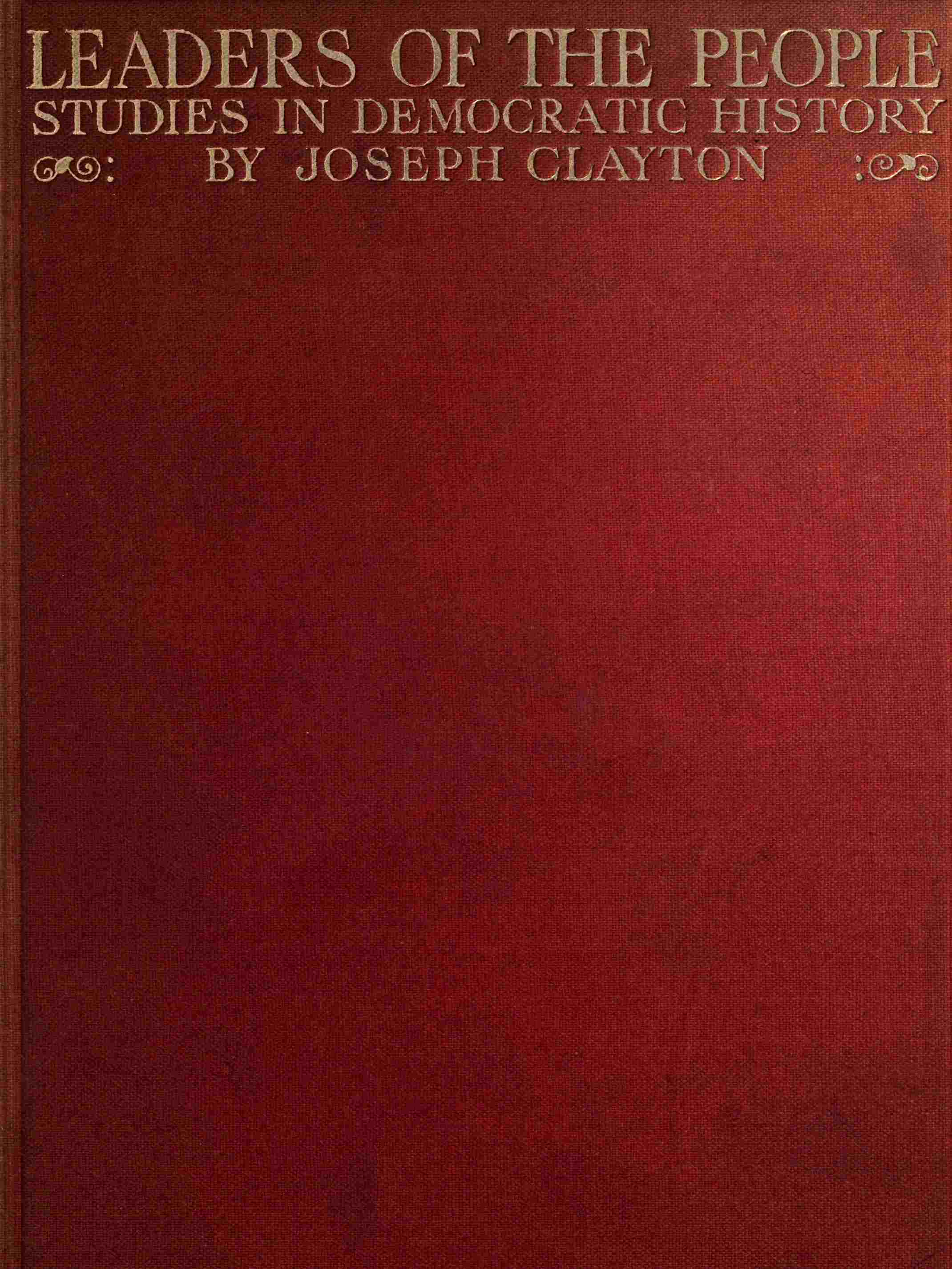



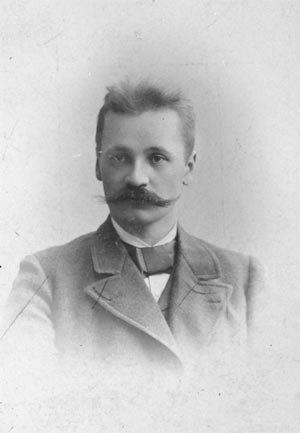

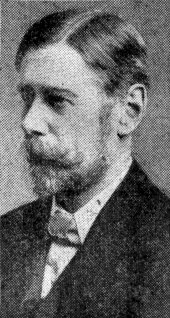
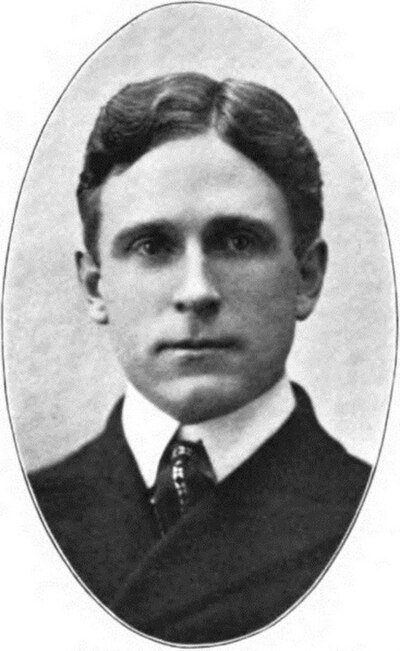
Link to this page
Add a free, dofollow link to Lex on your blog, forum, syllabus, or reading list.

<a href="https://lex-books.com/author/joseph-clayton"><img src="https://lex-books.com/badges/read-on-lex.svg" alt="Joseph Clayton on Lex" width="160" height="40"></a>[](https://lex-books.com/author/joseph-clayton)[url=https://lex-books.com/author/joseph-clayton][img]https://lex-books.com/badges/read-on-lex.svg[/img][/url]Joseph Clayton on Lex: https://lex-books.com/author/joseph-clayton