
John Murray
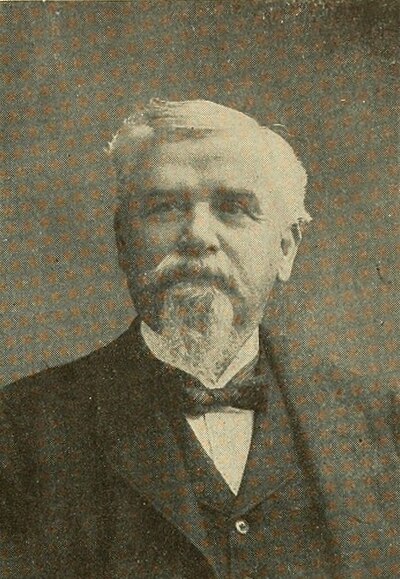
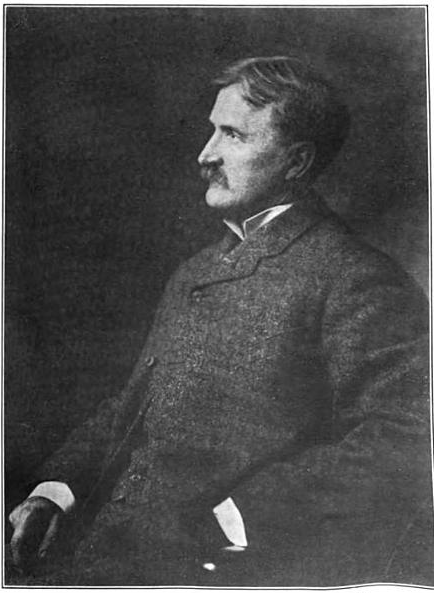
John Murray Gibbon was a Scottish-Canadian writer and cultural promoter known for his contributions to literature and the arts in Canada. Born in Ceylon to a tea planter, Gibbon moved to Canada at a young age, where he became deeply involved in the cultural landscape of his adopted country. He is best remembered for his works that celebrate Canadian identity and heritage, including 'The Canadian Book of Poetry' and 'The Story of the Canadian People.' His writings often reflected a blend of Scottish and Canadian influences, showcasing his unique perspective on the cultural tapestry of Canada. Gibbon's literary significance lies not only in his poetry and prose but also in his role as a cultural advocate. He was instrumental in promoting Canadian literature and arts during a time when they were still emerging on the world stage. His efforts helped to elevate the profile of Canadian writers and artists, making him a pivotal figure in the development of a national literary voice. Gibbon's legacy endures through his writings and his commitment to fostering a rich cultural environment in Canada, influencing future generations of Canadian authors and artists.
Famous Quotes
View all 3 quotes“With all these considerations in view, the order in the application of redemption is found to be, calling, regeneration, faith and repentance, justification, adoption, sanctification, perseverance, glorification. When this order is carefully weighed we find that there is a logic which evinces and brings into clear focus the governing principle of salvation in all of its aspects, the grace of God in its sovereignty and efficacy. Salvation is of the Lord in its application as well as in its conception and accomplishment.”
“It is one thing to say that the wrathful God is made loving. That would be entirely false. It is another thing to say the wrathful God is loving. That is profoundly true. But it is also true that the wrath by which he is wrathful is propitiated through the cross. This propitiation is the fruit of the divine love that provided it.”
“The glory of the cross is bound up with the effectiveness of its accomplishment.”
Books from the author










Link to this page
Add a free, dofollow link to Lex on your blog, forum, syllabus, or reading list.

<a href="https://lex-books.com/author/john-murray"><img src="https://lex-books.com/badges/read-on-lex.svg" alt="John Murray on Lex" width="160" height="40"></a>[](https://lex-books.com/author/john-murray)[url=https://lex-books.com/author/john-murray][img]https://lex-books.com/badges/read-on-lex.svg[/img][/url]John Murray on Lex: https://lex-books.com/author/john-murray