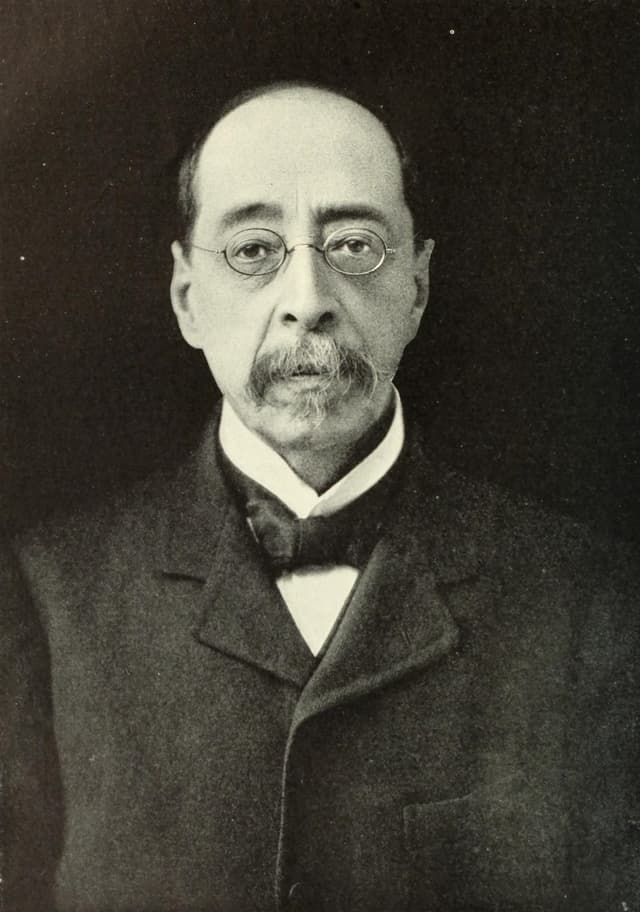
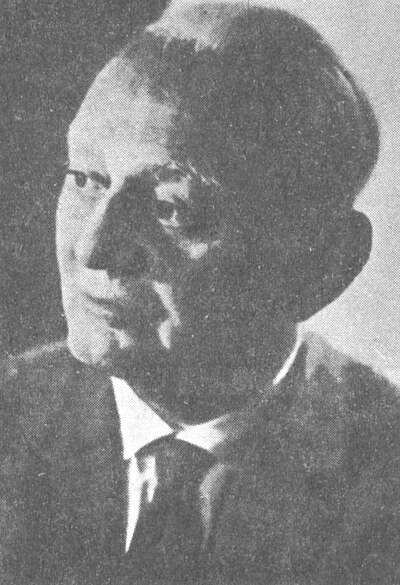
John La Farge
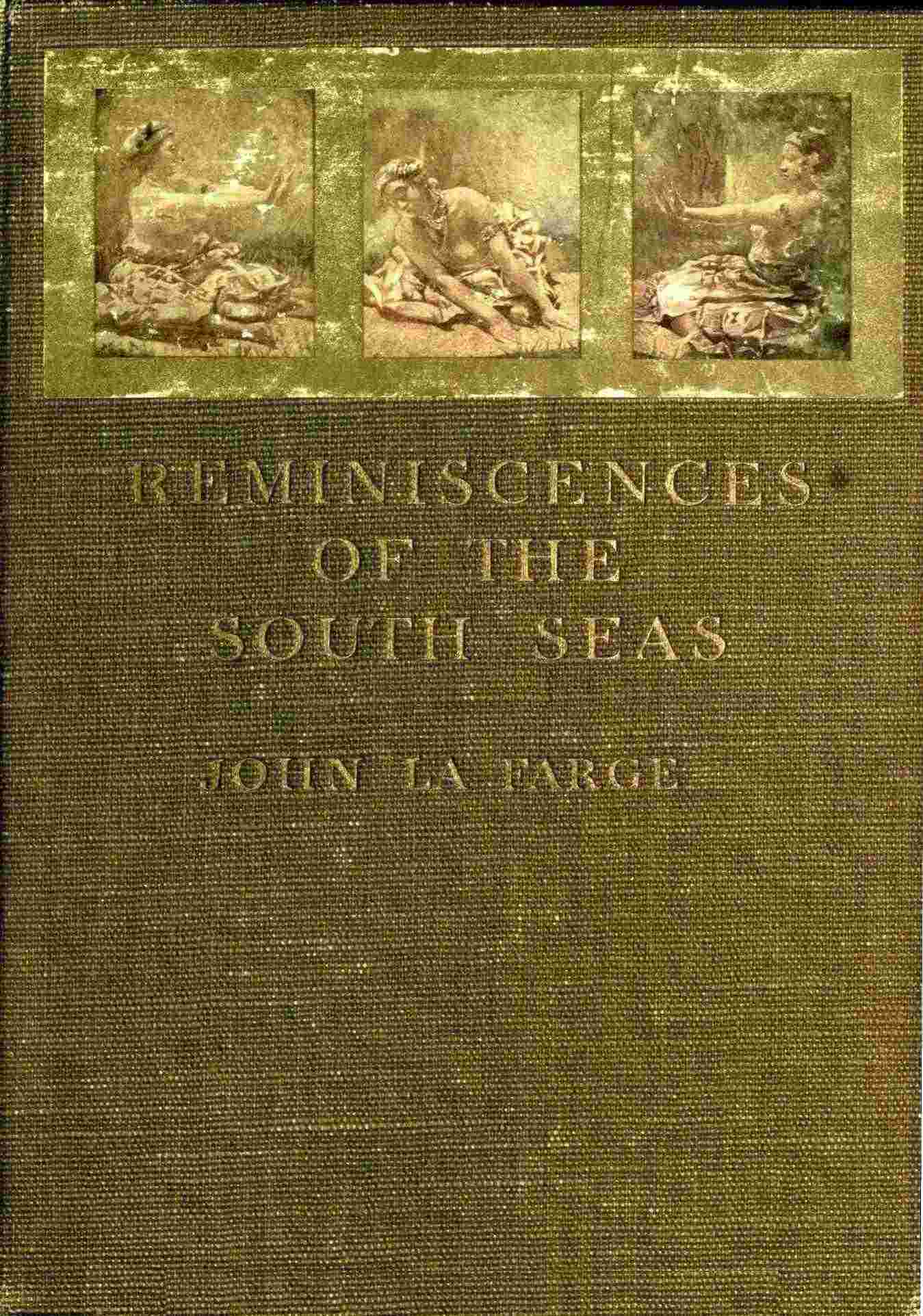
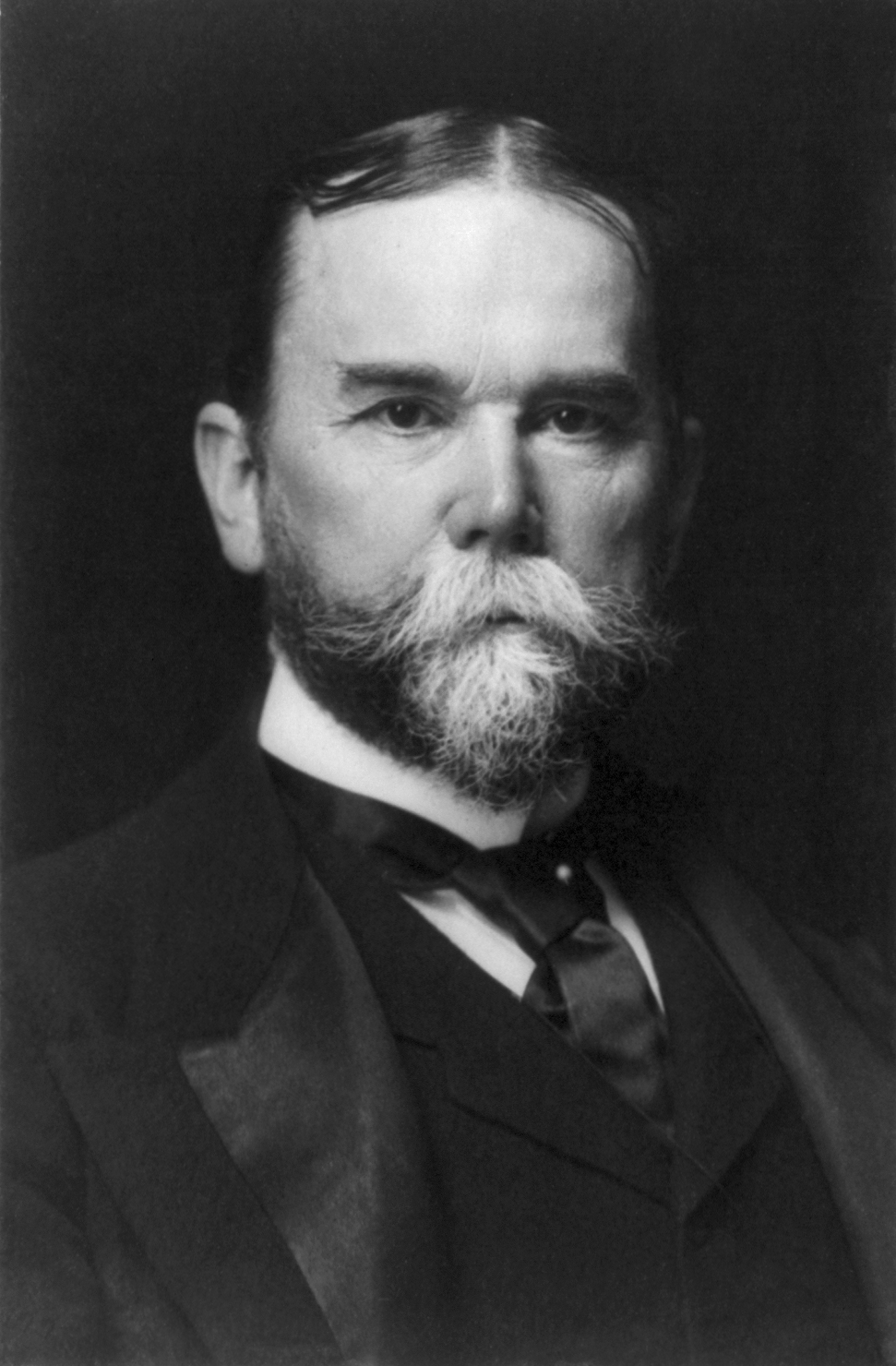
John La Farge was an influential American artist known for his diverse contributions to the fields of illustration, painting, and stained glass design. His career began in the mid-19th century, and he gained prominence for his innovative stained glass windows, starting with a significant commission for Trinity Church in Boston in 1878. La Farge's approach to stained glass was marked by his expertise in color and his technical innovations, including a patented method for superimposing glass panes that would later become a point of contention with rival Louis Comfort Tiffany. Over three decades, he created numerous windows for churches along the East Coast, leaving an indelible mark on American ecclesiastical art. In addition to his stained glass work, La Farge was a prominent figure in the New York art scene, co-founding the Society of American Artists in 1877 due to his dissatisfaction with the National Academy of Design's conservatism. He was a dedicated educator, serving as an instructor at the Metropolitan Museum of Art Schools and leading the National Society of Mural Painters as president from 1899 to 1904. His artistic legacy is characterized by a commitment to innovation and a deep appreciation for Asian art, which he documented in popular books about his travels. La Farge's contributions to American art were recognized with his election to the National Academy of Design and his membership in the American Academy of Arts and Letters, solidifying his status as a key figure in the evolution of American art in the late 19th and early 20th centuries.
Famous Quotes
View all 20 quotes“Poi posai la fronte contro la sua e rimasi seduto lì a lungo, come se potessi trasmettere un messaggio attraverso i nostri due crani, dal mio cervello al suo. Volevo fargli capire alcune cose. «Sai tutte quelle sciocchezze che abbiamo sempre detto si di te?» sussurrai. «Che scocciatore eri mai? Non crederci. Non crederlo neanche per un minuto, Marley.» Doveva saperlo, e anche qualcos'altro. C'era qualcosa che non gli avevo mai detto, che non gli aveva mai detto nessuno. Volvevo che lo sentisse prima di andarsene. «Marley», dissi. «Sei un grande cane.»””
“The problem of racial minorities, more than ninety years after the Emancipation Proclamation of President Abraham Lincoln on January 1, 1863, is still our country’s number-one problem. It touches upon every phase of our national economy, health and security, religion and culture. Most of us do not care to discuss it, for we feel uneasily that it reveals an ugly cleavage of thought among our fellow citizens.””
“After the big holidays each year – such as Labor Day or the Fourth of July – the statisticians announce the total of lives lost on the nation’s highways through reckless driving. The public shudders, parents warn their young, and committees ponder as to how to prevent such a waste of human life. Yet the highway casualties are trifling in comparison with the human waste caused by unresolved racial conflicts in this country.””
Books from the author




Link to this page
Add a free, dofollow link to Lex on your blog, forum, syllabus, or reading list.

<a href="https://lex-books.com/author/john-la-farge"><img src="https://lex-books.com/badges/read-on-lex.svg" alt="John La Farge on Lex" width="160" height="40"></a>[](https://lex-books.com/author/john-la-farge)[url=https://lex-books.com/author/john-la-farge][img]https://lex-books.com/badges/read-on-lex.svg[/img][/url]John La Farge on Lex: https://lex-books.com/author/john-la-farge