James Platt
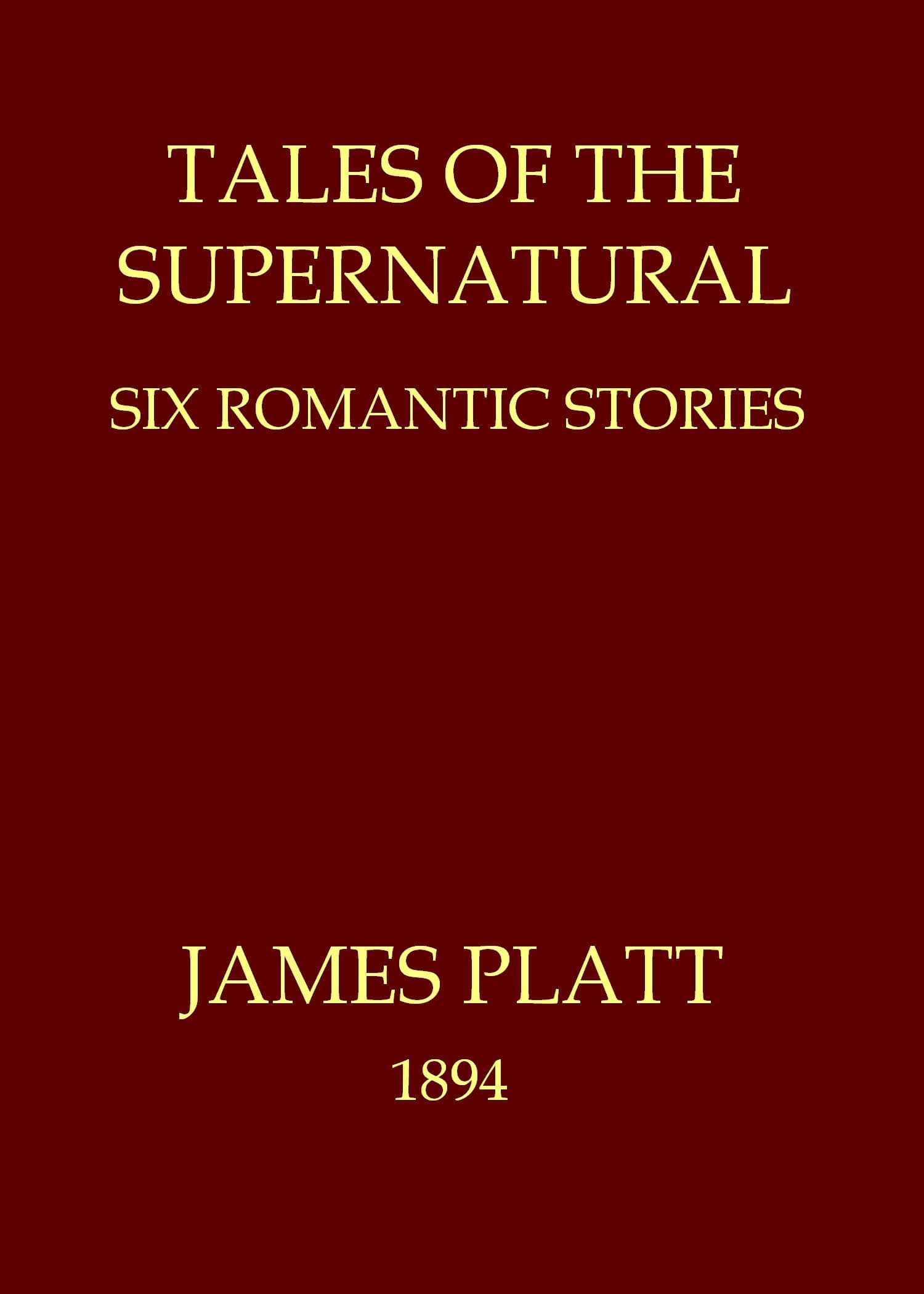
James Platt was an English author known for his contributions to the genre of supernatural fiction during the late 19th and early 20th centuries. His most notable work, "Tales of the Supernatural: Six Romantic Stories," showcases his talent for weaving romantic elements with eerie and otherworldly themes. Platt's writing reflects the Victorian fascination with the supernatural, a period marked by a growing interest in the unexplained and the mystical. His stories often explore the boundaries between reality and the supernatural, drawing readers into a world where the ordinary intersects with the extraordinary. While not as widely recognized as some of his contemporaries, Platt's work contributes to the rich tapestry of supernatural literature of his time. His ability to blend romance with supernatural elements places him among the lesser-known yet significant figures in the genre, appealing to readers who appreciate the eerie and the romantic. Though details about his life remain sparse, his literary contributions continue to intrigue those interested in the evolution of supernatural storytelling in the Victorian era.
Famous Quotes
View all 8 quotes“We woke up before the sun, hitched the oxen to the wagon, herded the cattle out of the Platt’s pasture where they had spent the night, and started off again on the road toward Peekskill. Peekskill was on the Hudson River. We would turn south there and go down the river about five miles to Verplancks Point. From North Salem to Peekskill was more than twenty miles. It would take us all day to make fifteen miles to our next stop, Father’s friends south of Mohegan. We were supposed to pick up another escort. I hoped we would find it soon. I didn’t like traveling through this country alone, and I kept looking around all the time for galloping horsemen.””
“Children fell under wagon wheels and were crushed to death or crippled for life. They wandered off into the tall grass and were never seen again. Occasionally they were abducted by Native Americans. Much more frequently they drowned when swept away by rivers their families were trying to ford. Drowning incidents were so common, in fact, that some mothers wrote their children’s names in indelible ink on labels and sewed the labels into their children’s clothes. It didn’t prevent them from drowning, but it sometimes allowed a grieving mother to identify a body that had been in the water too long. Children were bitten by rattlesnakes, struck by lightning, trampled by unruly oxen or horses, pummeled by hailstones as large as turkey eggs, and shot by the nearly daily accidental discharges of the guns that their fathers carried. They died of measles, diphtheria, whooping cough, influenza, tuberculosis, typhoid fever, malaria, infected cuts, food poisoning, mumps, and smallpox. Perhaps the only break that mothers on the Platte River Road had that summer was that it wasn’t yet 1849, when Asiatic cholera would kill thousands along this same stretch of trail, the graves in some places averaging one every two hundred feet.””
“Let’s not merely contemplate the Word of God in the world around us; let’s do what it says (see James 1:22-25).””
Books from the author





Link to this page
Add a free, dofollow link to Lex on your blog, forum, syllabus, or reading list.

<a href="https://lex-books.com/author/james-platt"><img src="https://lex-books.com/badges/read-on-lex.svg" alt="James Platt on Lex" width="160" height="40"></a>[](https://lex-books.com/author/james-platt)[url=https://lex-books.com/author/james-platt][img]https://lex-books.com/badges/read-on-lex.svg[/img][/url]James Platt on Lex: https://lex-books.com/author/james-platt