
James Parkinson
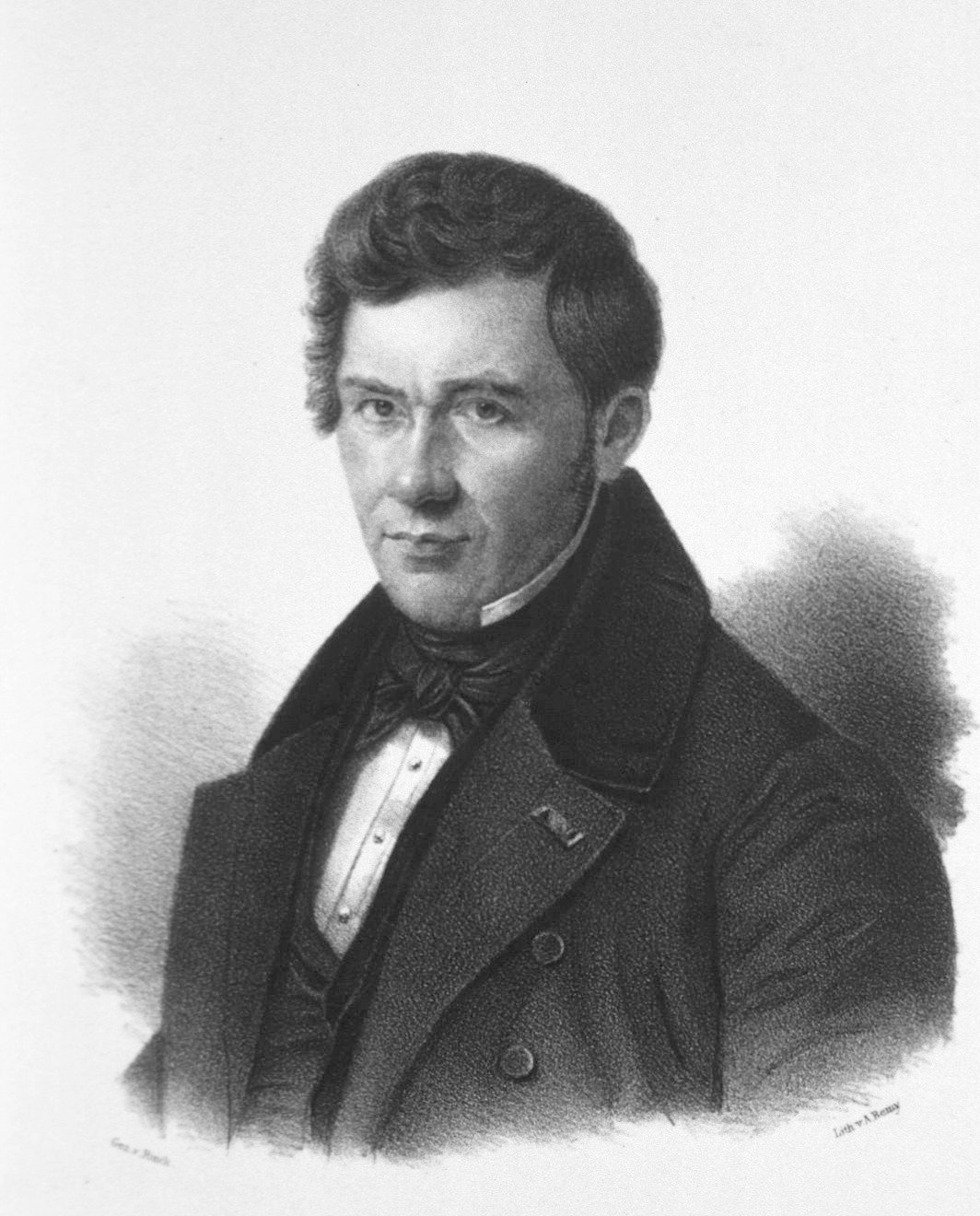
James Parkinson was an English surgeon and apothecary whose diverse interests spanned geology, palaeontology, and political activism. Born in 1755, he made significant contributions to medicine, most notably through his 1817 publication, An Essay on the Shaking Palsy. In this groundbreaking work, he provided the first detailed description of what he termed 'paralysis agitans,' a condition that would later be recognized as Parkinson's disease, named in his honor by the French neurologist Jean-Martin Charcot. Parkinson's keen observations and meticulous documentation laid the foundation for future research into this debilitating disorder. Beyond his medical contributions, Parkinson was also an advocate for social reform, engaging in political activism during a time of significant change in England. His work as a geologist and palaeontologist further showcased his intellectual versatility, as he contributed to the understanding of fossils and the earth's history. Parkinson's legacy endures not only through the disease that bears his name but also through his influence on both medicine and social issues of his time, marking him as a pivotal figure in early 19th-century England.
Famous Quotes
View all 2 quotes“Yet “perfection,” as C. Northcote Parkinson shrewdly noted, “is achieved only by institutions on the point of collapse.””
“A small number of persons with idiopathic Parkinson’s disease respond to long-term use of zolpidem with reduced bradykinesia and rigidity. Zolpidem dosages of 10 mg four times daily may be tolerated without sedation for several years.””
Books from the author






Link to this page
Add a free, dofollow link to Lex on your blog, forum, syllabus, or reading list.

<a href="https://lex-books.com/author/james-parkinson"><img src="https://lex-books.com/badges/read-on-lex.svg" alt="James Parkinson on Lex" width="160" height="40"></a>[](https://lex-books.com/author/james-parkinson)[url=https://lex-books.com/author/james-parkinson][img]https://lex-books.com/badges/read-on-lex.svg[/img][/url]James Parkinson on Lex: https://lex-books.com/author/james-parkinson