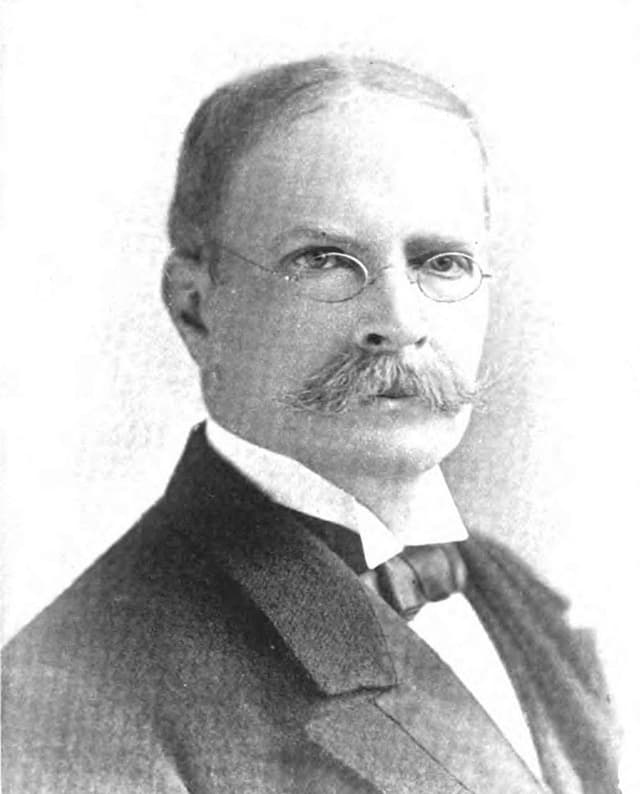
James Lane Allen
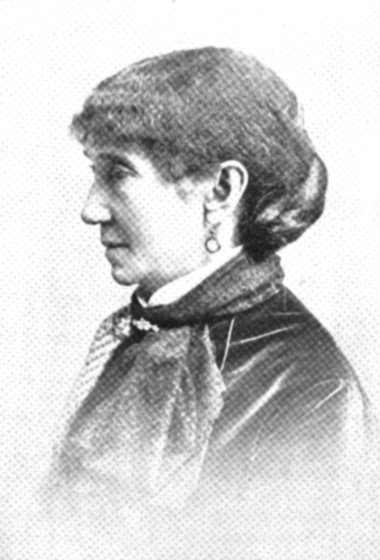
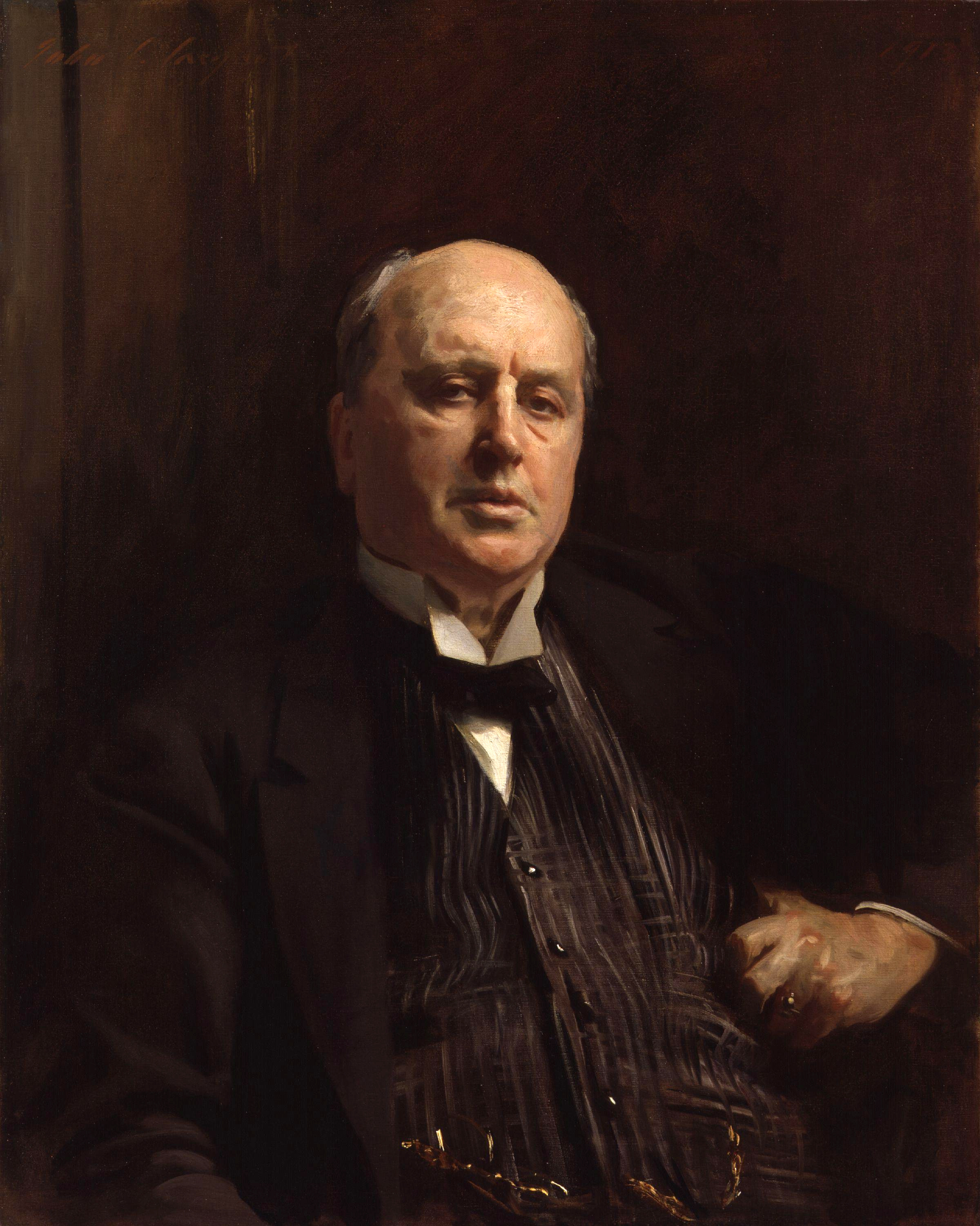
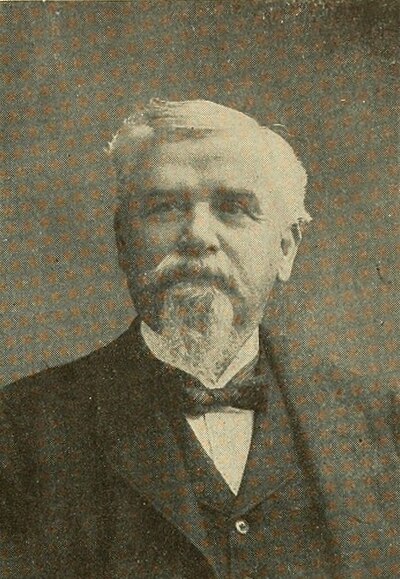
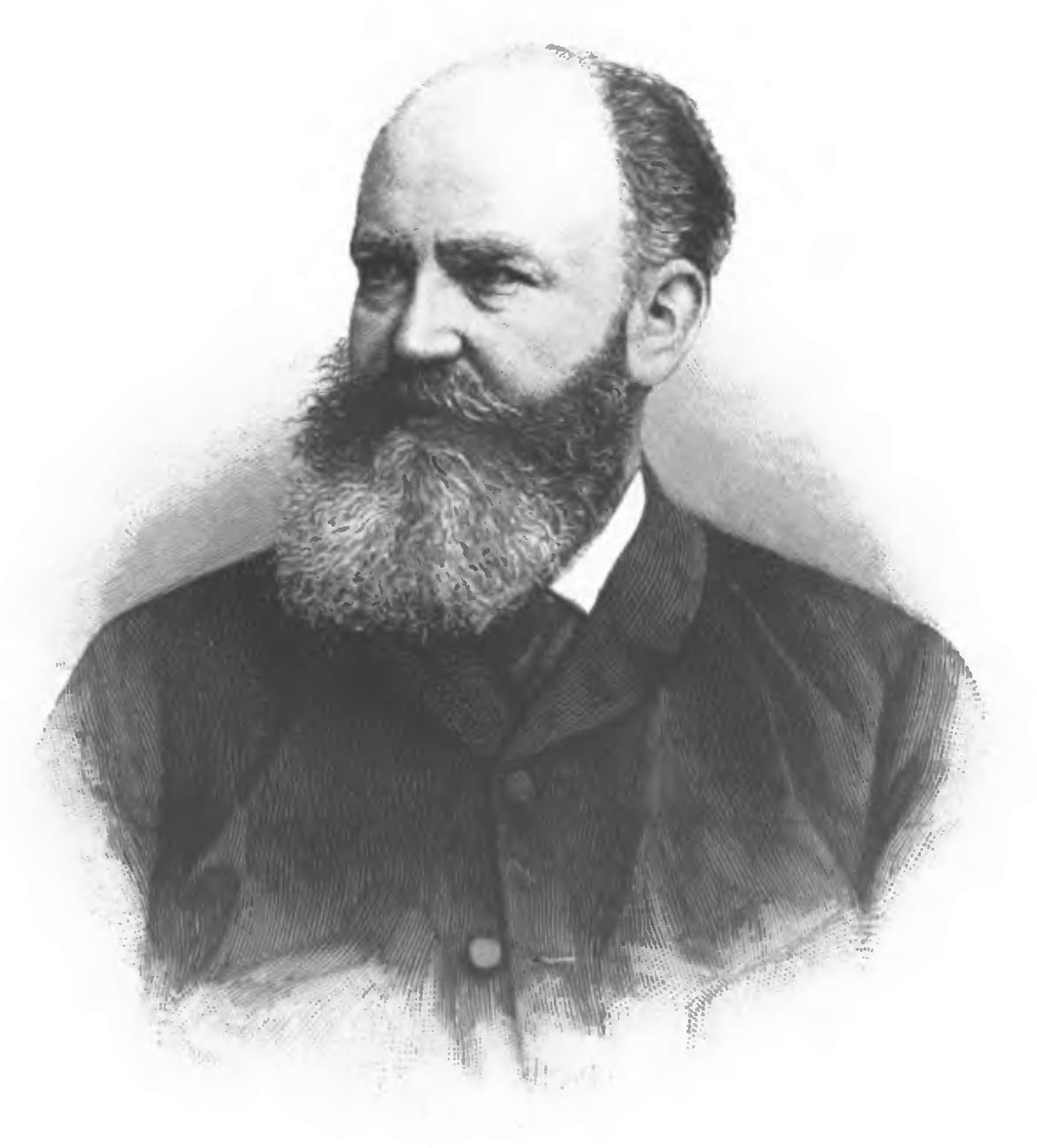
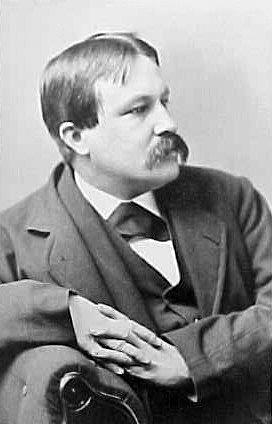
James Lane Allen was an American novelist and short story writer, recognized as Kentucky's first significant literary figure. Born and raised in Kentucky, he drew heavily from the culture and dialects of his home state, capturing the essence of its people and landscapes in his writing. His most notable work, A Kentucky Cardinal, exemplifies the local color movement of the late 19th century, where authors aimed to authentically portray regional life and vernacular. Through his vivid storytelling, Allen offered readers a glimpse into the heart of Kentucky, making his narratives both relatable and culturally rich. Allen's contributions to literature extended beyond mere storytelling; he played a pivotal role in shaping the Southern literary tradition. His focus on regionalism and the unique characteristics of Kentucky life set a precedent for future writers in the genre. His works, characterized by their rich descriptions and deep emotional resonance, continue to be studied for their artistic merit and historical significance, solidifying his legacy as a foundational figure in American literature.
Famous Quotes
View all 3 quotes“Man's rise or fall, success or failure, happiness or unhappiness depends on his attitude ... a man's attitude will create the situation he imagines.”
“The finest music in the room is that which streams out to the ear of the spirit in many an exquisite strain from the little shelf of books on the opposite wall. Every volume there is an instrument which some melodist of the mind created and set vibrating with music, as a flower shakes out its perfume or a star shakes out its light. Only listen, and they soothe all care, as though the silken-soft leaves of poppies had been made vocal and poured into the ear.”
“The longer I live here, the better satisfied I am in having pitched my earthly camp-fire, gypsylike, on the edge of a town, keeping it on one side, and the green fields, lanes, and woods on the other. Each, in turn, is to me as a magnet to the needle. At times the needle of my nature points towards the country. On that side everything is poetry. I wander over field and forest, and through me runs a glad current of feeling that is like a clear brook across the meadows of May. At others the needle veers round, and I go to town--to the massed haunts of the highest animal and cannibal.”
Books from the author
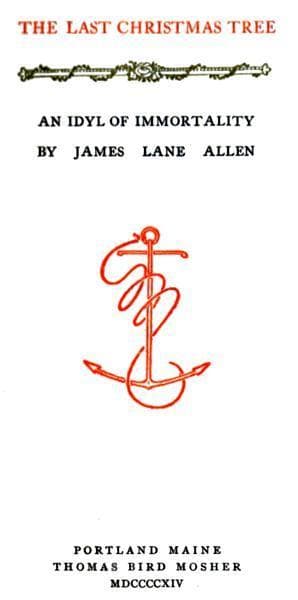
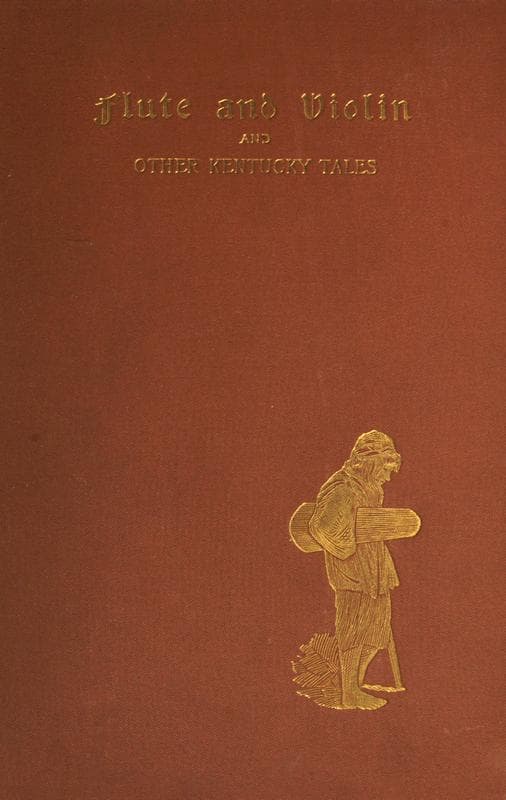
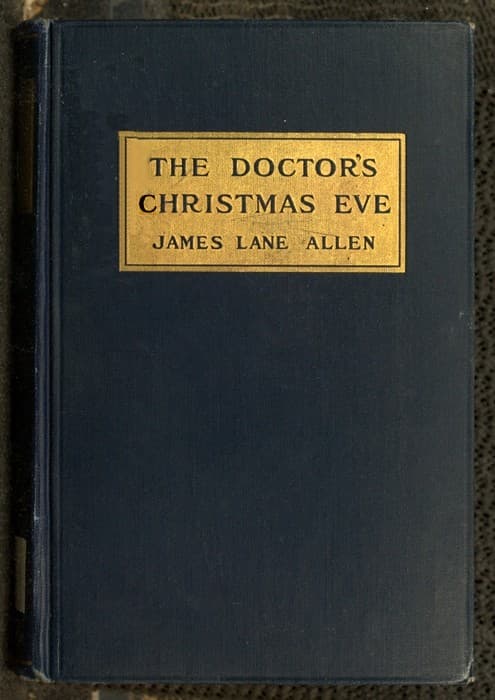

Link to this page
Add a free, dofollow link to Lex on your blog, forum, syllabus, or reading list.

<a href="https://lex-books.com/author/james-lane-allen"><img src="https://lex-books.com/badges/read-on-lex.svg" alt="James Lane Allen on Lex" width="160" height="40"></a>[](https://lex-books.com/author/james-lane-allen)[url=https://lex-books.com/author/james-lane-allen][img]https://lex-books.com/badges/read-on-lex.svg[/img][/url]James Lane Allen on Lex: https://lex-books.com/author/james-lane-allen