James H. Collins
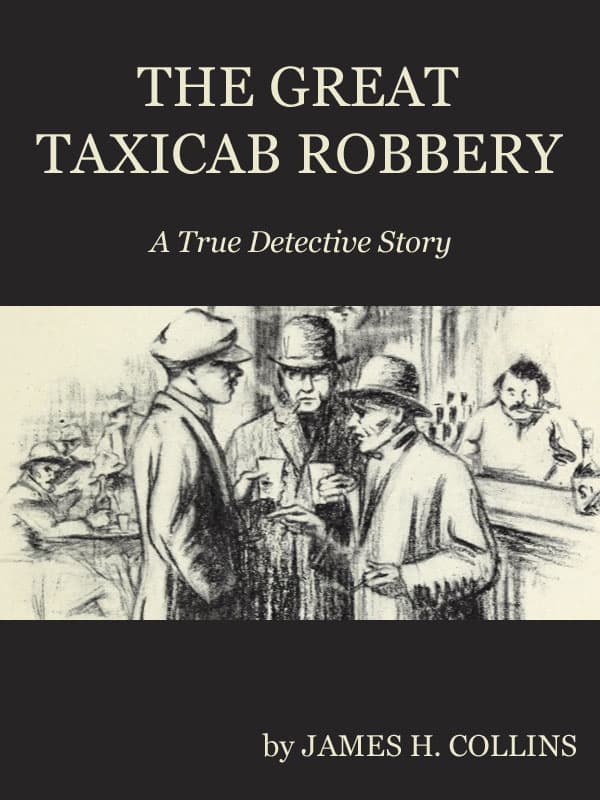
James H. Collins was an American writer known for his contributions to the detective genre in the early 20th century. His most notable work, "The Great Taxicab Robbery: A True Detective Story," blends elements of true crime with narrative flair, capturing the public's fascination with crime and justice during a period of rapid urbanization and social change in America. Collins's writing reflects the gritty realities of city life, as well as the burgeoning interest in criminal psychology and the methods of law enforcement.
Famous Quotes
View all 1 quotes“Many of the Abbott disciplines trace back to 1968, when it hired a remarkable financial officer named Bernard H. Semler. Semler did not see his job as a traditional financial controller or accountant. Rather, he set out to invent mechanisms that would drive cultural change. He created a whole new framework of accounting that he called Responsibility Accounting, wherein every item of cost, income, and investment would be clearly identified with a single individual responsible for that item.4 The idea, radical for the 1960s, was to create a system wherein every Abbott manager in every type of job was responsible for his or her return on investment, with the same rigor that an investor holds an entrepreneur responsible. There would be no hiding behind traditional accounting allocations, no slopping funds about to cover up ineffective management, no opportunities for finger-pointing.””
Books from the author










Link to this page
Add a free, dofollow link to Lex on your blog, forum, syllabus, or reading list.

<a href="https://lex-books.com/author/james-h-collins"><img src="https://lex-books.com/badges/read-on-lex.svg" alt="James H. Collins on Lex" width="160" height="40"></a>[](https://lex-books.com/author/james-h-collins)[url=https://lex-books.com/author/james-h-collins][img]https://lex-books.com/badges/read-on-lex.svg[/img][/url]James H. Collins on Lex: https://lex-books.com/author/james-h-collins