
James De Mille
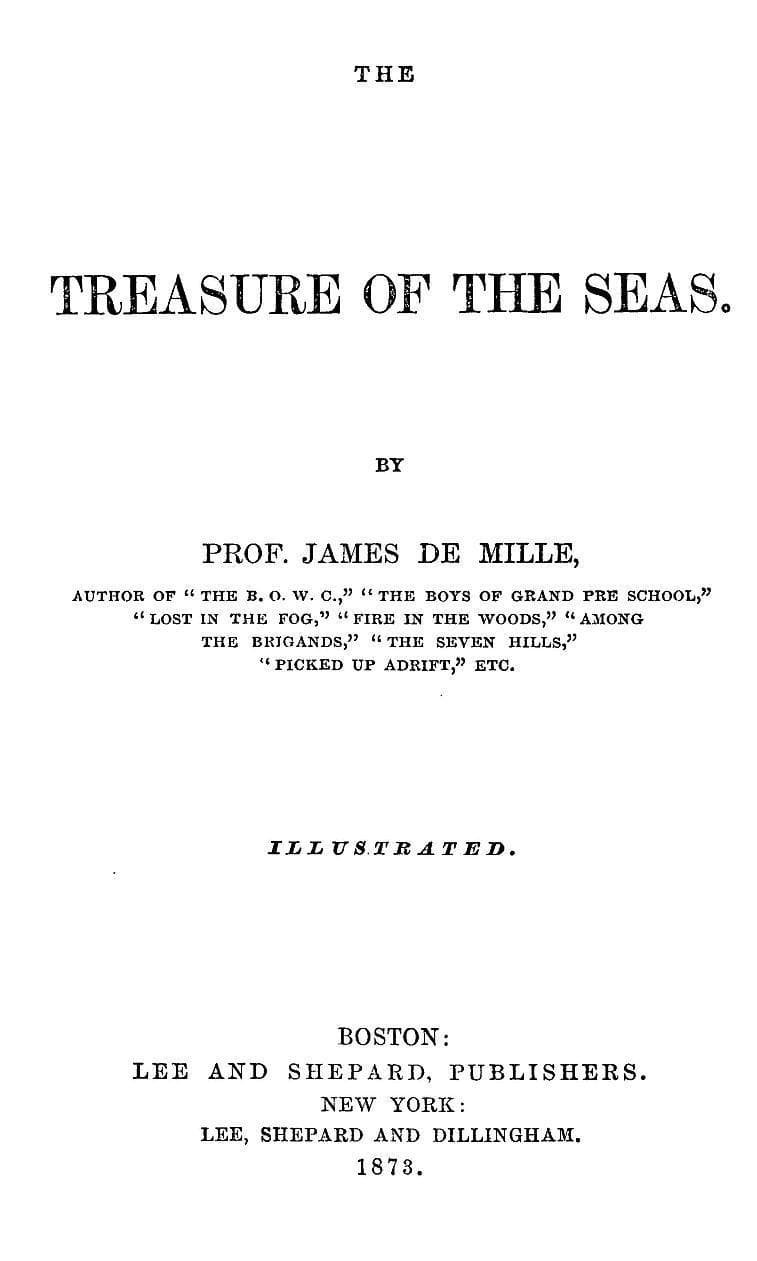
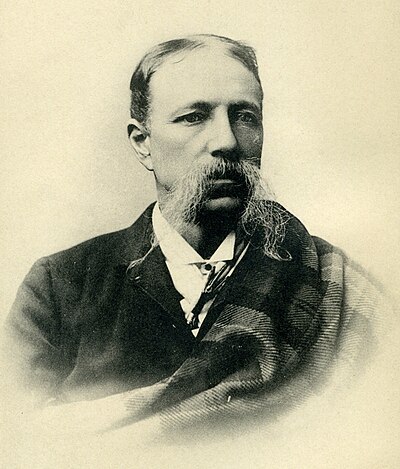
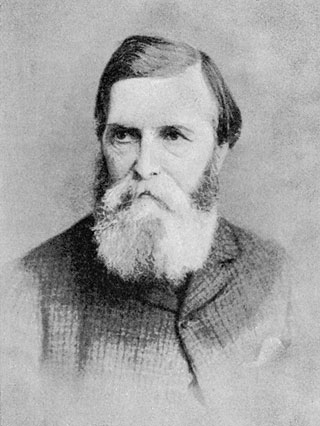
James De Mille was a pioneering Canadian novelist and professor at Dalhousie University in Nova Scotia. Active from the late 1860s until his untimely death in 1880, he produced a significant body of work that contributed to the development of Canadian literature. De Mille's novels often blended adventure with elements of satire and social commentary, showcasing his keen observations of society. Notable works such as 'A Strange Manuscript Found in a Copper Cylinder' and 'The Dodge Club' reflect his innovative storytelling and imaginative plots, which were ahead of their time in their exploration of themes like colonialism and identity. De Mille's literary significance lies in his role as one of the first Canadian authors to gain recognition for popular fiction, paving the way for future generations of writers. His unique style and engaging narratives not only entertained readers but also challenged the literary norms of his era. Despite his relatively short career, De Mille's contributions to the literary landscape of Canada have left a lasting legacy, influencing both contemporary and later authors in the realm of fiction and adventure storytelling.
Famous Quotes
View all 3 quotes“Horror is a feeling that cannot last long; human nature is incapable of supporting it. Sadness, whether it be from bereavement, or disappointment, or misfortune of any kind may linger on through life”
“will you stay here? No. Will you go back? You can’t. We must, therefore, go on. That’s is our only hope. Horror is a feeling that cannot last long; human nature is incapable of supporting it. Poverty, sicknes, and death are evils; but the worst of all evils is unrequited love.”
“Above all, there was Almah. Everything combined to make her most dear to me. My life has been such that I never before had seen anyone whome I loved; and here Almah was the one congenial and sympathetic, and I loved her dearly, even before I understood what my feelings were. One day I learned all, and found that she was more precious to me than all the world.”
Books from the author




Link to this page
Add a free, dofollow link to Lex on your blog, forum, syllabus, or reading list.

<a href="https://lex-books.com/author/james-de-mille"><img src="https://lex-books.com/badges/read-on-lex.svg" alt="James De Mille on Lex" width="160" height="40"></a>[](https://lex-books.com/author/james-de-mille)[url=https://lex-books.com/author/james-de-mille][img]https://lex-books.com/badges/read-on-lex.svg[/img][/url]James De Mille on Lex: https://lex-books.com/author/james-de-mille