J. G. M'Pherson
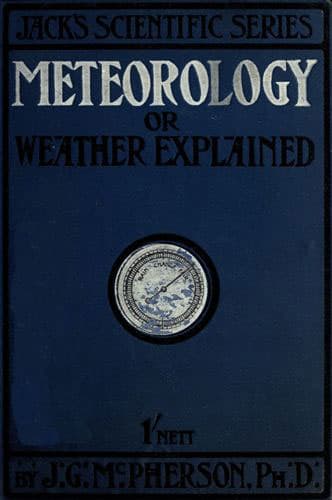
J. G. M'Pherson was a notable figure in the field of meteorology during the late 19th century. His work, 'Meteorology; Or, Weather Explained,' reflects a growing interest in the scientific understanding of weather patterns and atmospheric phenomena. M'Pherson's writings aimed to demystify the complexities of meteorological science for the general public, making it more accessible and understandable. His approach combined empirical observation with practical explanations, which was significant at a time when meteorology was still developing as a formal science. Through his contributions, M'Pherson played a role in advancing public knowledge about weather and its implications, which was particularly relevant in an era marked by rapid industrialization and urbanization. His efforts to educate readers about meteorological concepts helped lay the groundwork for future advancements in the field, emphasizing the importance of weather in everyday life. M'Pherson's legacy endures as part of the broader narrative of scientific communication in the 19th century, highlighting the intersection of science and society during a transformative period in history.
Books from the author






Link to this page
Add a free, dofollow link to Lex on your blog, forum, syllabus, or reading list.

<a href="https://lex-books.com/author/j-g-mpherson"><img src="https://lex-books.com/badges/read-on-lex.svg" alt="J. G. M'Pherson on Lex" width="160" height="40"></a>[](https://lex-books.com/author/j-g-mpherson)[url=https://lex-books.com/author/j-g-mpherson][img]https://lex-books.com/badges/read-on-lex.svg[/img][/url]J. G. M'Pherson on Lex: https://lex-books.com/author/j-g-mpherson