
Júlio Dinis
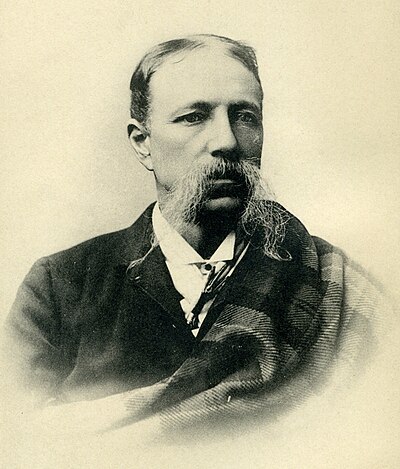
Júlio Dinis was a Portuguese novelist and physician, renowned for his contributions to 19th-century Portuguese literature. Born in the city of Porto, he initially pursued a career in medicine, which greatly influenced his writing. Dinis's works often depicted rural life and the struggles of the lower classes, showcasing his deep empathy for the human condition. His most notable novels, such as 'Os Pobres' and 'A Morgadinha dos Canaviais,' reflect a blend of romanticism and realism, characterized by vivid descriptions of the Portuguese countryside and a focus on social issues. Dinis's literary significance lies in his ability to humanize the struggles of ordinary people, making him a precursor to later realist writers. His narratives often explored themes of love, social class, and the tension between tradition and modernity. Despite his untimely death at the age of 31, his works left a lasting impact on Portuguese literature, influencing subsequent generations of writers and earning him a place as one of the early figures in the development of the Portuguese novel. Today, Júlio Dinis is remembered not only for his storytelling prowess but also for his compassionate portrayal of the human experience in a rapidly changing society.
Famous Quotes
View all 19 quotes“O perfume da saudade é como o de certas flores, que só se percebe quando de longe o recebemos. Se, iludidos, as tentamos aspirar de perto, dissipa-se.””
“A causa disto é o sermos nós uma nação pequena e pouco à moda, acanhada e bisonha nesta grande e luzidia sociedade europeia, onde por obséquio somos admitidos, dando-nos já por muito lisonjeados, quando os estrangeiros se deixam, benevolamente, admirar por nós.””
“Mr. Richard odiava cordialmente a França. Ou ele não fosse inglês.””
Books from the author













Link to this page
Add a free, dofollow link to Lex on your blog, forum, syllabus, or reading list.

<a href="https://lex-books.com/author/júlio-dinis"><img src="https://lex-books.com/badges/read-on-lex.svg" alt="Júlio Dinis on Lex" width="160" height="40"></a>[](https://lex-books.com/author/júlio-dinis)[url=https://lex-books.com/author/júlio-dinis][img]https://lex-books.com/badges/read-on-lex.svg[/img][/url]Júlio Dinis on Lex: https://lex-books.com/author/júlio-dinis