A Morgadinha Dos Cannaviaes(chronica Da Aldeia)
1868
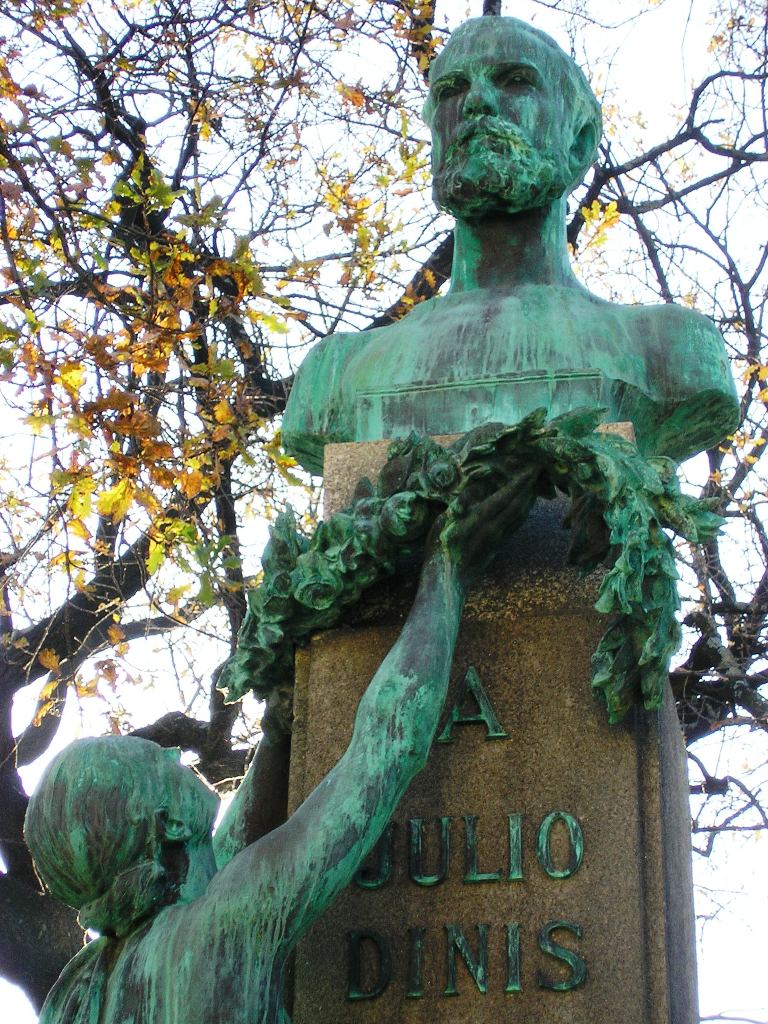
Henrique de Souzellas arrives at his aunt's rural estate in Minho carrying two burdens familiar to the modern soul: ennui and the perpetual conviction that something is wrong with his health. A Lisbon gentleman grown weary of the city's hollow pleasures, he embarks on what begins as a medicinal retreat but becomes something far more profound. Júlio Dinis traces Henrique's gradual surrender to the rhythms of provincial life, the slow rain, the intimate community, the honest labor, with a novelist's delicate attention to the spaces between dramatic events. His guide José, earthy and sharp-witted, serves as a foil to Henrique's aristocratic敏感性, offering salt-of-the-earth wisdom that slowly dismantles the young man's pretensions. The novel works its quiet magic not through crisis but through accumulation: small observations, gentle interactions, the incremental softening of a spirit too long clenched against the world. Nearly 160 years later, 'A Morgadinha' endures because it names a hunger that hasn't dimmed: the longing to escape oneself, to find in nature and simplicity some path back to wholeness.
Editions
X-Ray
“O perfume da saudade é como o de certas flores, que só se percebe quando de longe o recebemos. Se, iludidos, as tentamos aspirar de perto, dissipa-se.””
— Júlio Dinis
“Ia apostar que vai ali uma inteligência - disse Henrique (...) - algum desses grandes espíritos, que vivem e morrem ignorados, porque os não aquece o sol do favor público, nem os bafeja a aura da moda caprichosa. É terra de maravilhas, esta, ao que estou vendo.””
— Júlio Dinis
“A bondade é um rico manancial, que brota lágrimas ao toque da menor comoção.””
— Júlio Dinis
“Não tenteis a louca empresa de aniquilar o sentimento, espíritos áridos que infundadamente o temeis como coisa desconhecida à vossa alma seca e estéril. Quem deveras confia nos destinos da humanidade não tem medo das lágrimas. Pode-se triunfar com elas nos olhos.””
— Júlio Dinis
“Não é semelhante esta força inconsciente do povo à do boi robusto e válido, que uma criança dirige e subjuga? Forte como ele, como ele dócil, como ele laborioso, como ele útil, não vê que a mesma força que emprega no trabalho lhe poderia servir para repelir o jugo.””
— Júlio Dinis
“A luta da vida pode embriagar-te, filho, mas não te fará feliz.””
— Júlio Dinis
“Quem deveras confia nos destinos da humanidade não tem medo das lágrimas. Pode-se triunfar com elas nos olhos.””
— Júlio Dinis
Link to this book
Add a free, dofollow link to Lex on your blog, forum, syllabus, or reading list.

<a href="https://lex-books.com/book/a-morgadinha-dos-cannaviaes-chronica-da-aldeia-295595cb-c2a9-490a-910e-d9886368ae08"><img src="https://lex-books.com/badges/read-on-lex.svg" alt="Read A Morgadinha Dos Cannaviaes(chronica Da Aldeia) by Júlio Dinis free on Lex" width="160" height="40"></a>[](https://lex-books.com/book/a-morgadinha-dos-cannaviaes-chronica-da-aldeia-295595cb-c2a9-490a-910e-d9886368ae08)[url=https://lex-books.com/book/a-morgadinha-dos-cannaviaes-chronica-da-aldeia-295595cb-c2a9-490a-910e-d9886368ae08][img]https://lex-books.com/badges/read-on-lex.svg[/img][/url]Read A Morgadinha Dos Cannaviaes(chronica Da Aldeia) by Júlio Dinis free on Lex: https://lex-books.com/book/a-morgadinha-dos-cannaviaes-chronica-da-aldeia-295595cb-c2a9-490a-910e-d9886368ae08Cite this book
Reading this edition for a paper or guide? Copy a citation.
Dinis, Júlio. A Morgadinha Dos Cannaviaes(chronica Da Aldeia). Lex, lex-books.com/book/a-morgadinha-dos-cannaviaes-chronica-da-aldeia-295595cb-c2a9-490a-910e-d9886368ae08.Dinis, J. (1868). A Morgadinha Dos Cannaviaes(chronica Da Aldeia). Lex. https://lex-books.com/book/a-morgadinha-dos-cannaviaes-chronica-da-aldeia-295595cb-c2a9-490a-910e-d9886368ae08Dinis, Júlio. A Morgadinha Dos Cannaviaes(chronica Da Aldeia). Lex. https://lex-books.com/book/a-morgadinha-dos-cannaviaes-chronica-da-aldeia-295595cb-c2a9-490a-910e-d9886368ae08.