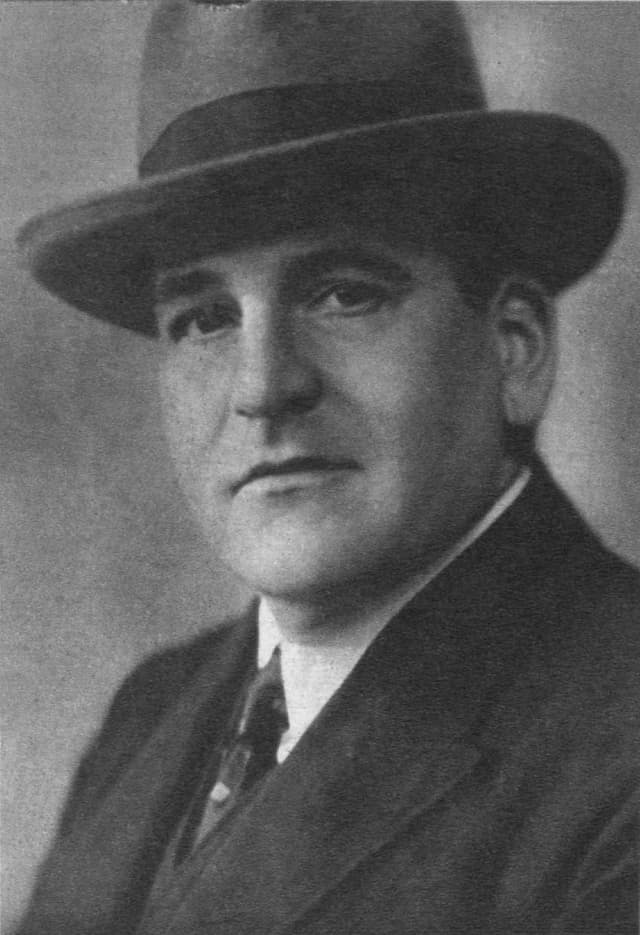
Hugo Bettauer
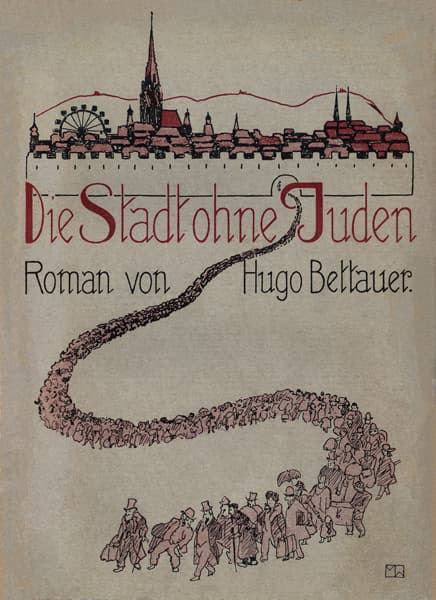
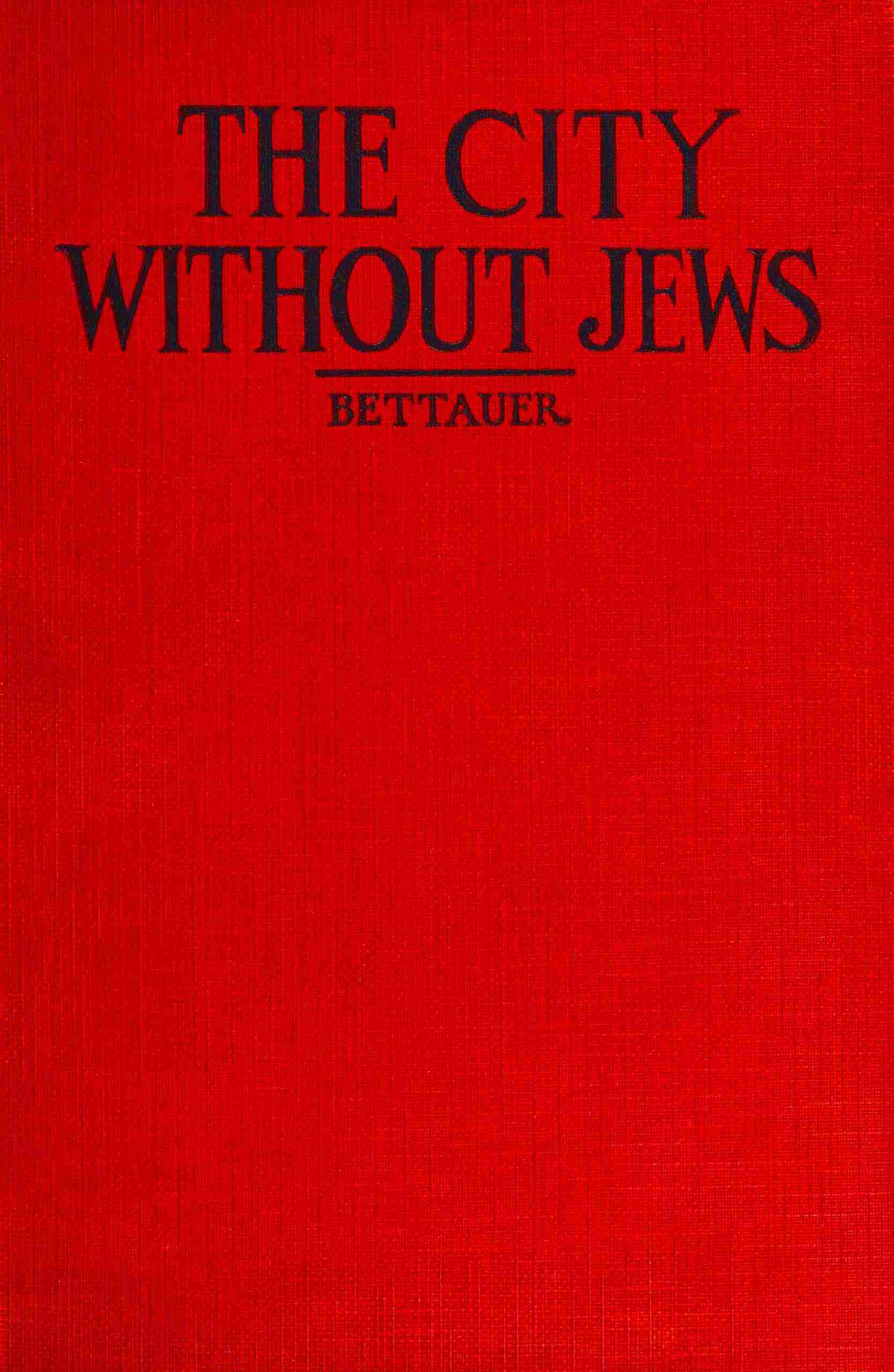
Hugo Bettauer was a prominent Austrian writer and journalist whose works often tackled social issues, particularly the rise of antisemitism in early 20th-century Europe. Born in 1872, he became a notable figure in the literary scene, with many of his novels achieving bestseller status during his lifetime. His most significant works include 'Die freudlose Gasse' (The Joyless Street), which explored the grim realities of life in post-World War I Vienna, and 'Die Stadt ohne Juden' (The City Without Jews), a powerful satire that critiqued the growing antisemitic sentiment in society. Both novels were later adapted into films, showcasing his influence on both literature and cinema. Bettauer's outspoken opposition to antisemitism ultimately led to his tragic demise; he was murdered in 1925 by a follower of the Nazi Party. His legacy endures as a courageous voice against prejudice and intolerance, and his works continue to be studied for their bold commentary on societal issues. Through his writing, Bettauer not only entertained but also provoked thought and discussion, making him a significant figure in the literary landscape of his time.
Books from the author

Link to this page
Add a free, dofollow link to Lex on your blog, forum, syllabus, or reading list.

<a href="https://lex-books.com/author/hugo-bettauer"><img src="https://lex-books.com/badges/read-on-lex.svg" alt="Hugo Bettauer on Lex" width="160" height="40"></a>[](https://lex-books.com/author/hugo-bettauer)[url=https://lex-books.com/author/hugo-bettauer][img]https://lex-books.com/badges/read-on-lex.svg[/img][/url]Hugo Bettauer on Lex: https://lex-books.com/author/hugo-bettauer