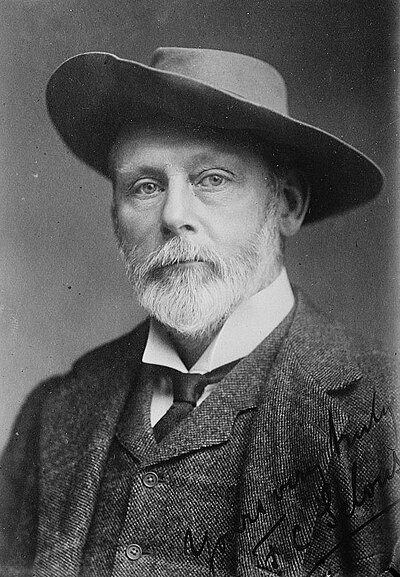
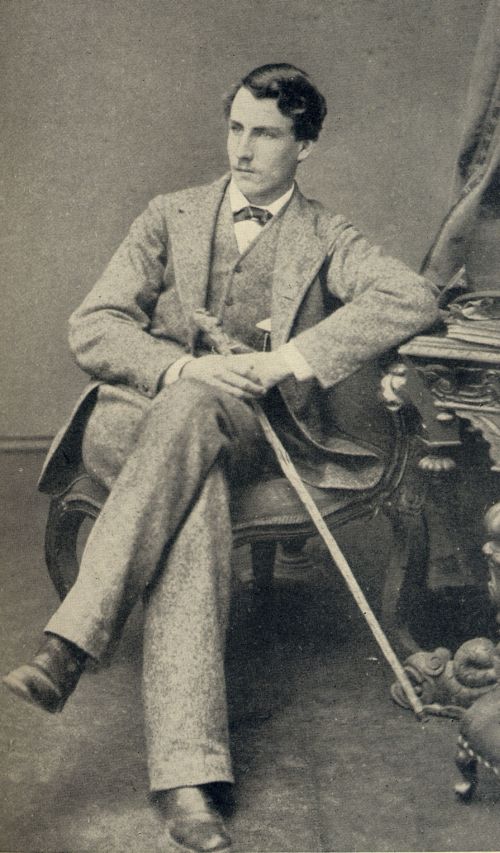
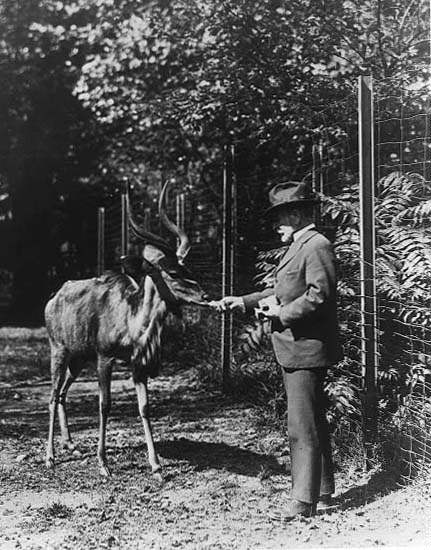
Hugh M. Smith
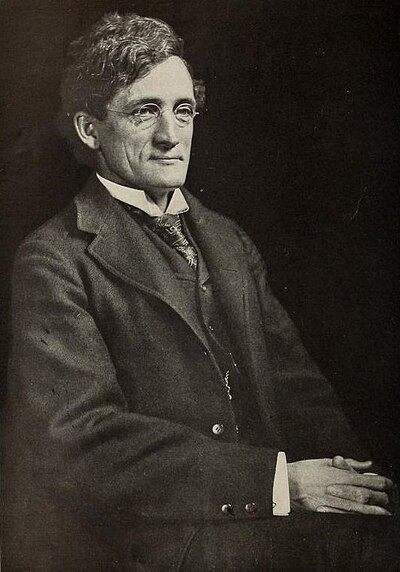
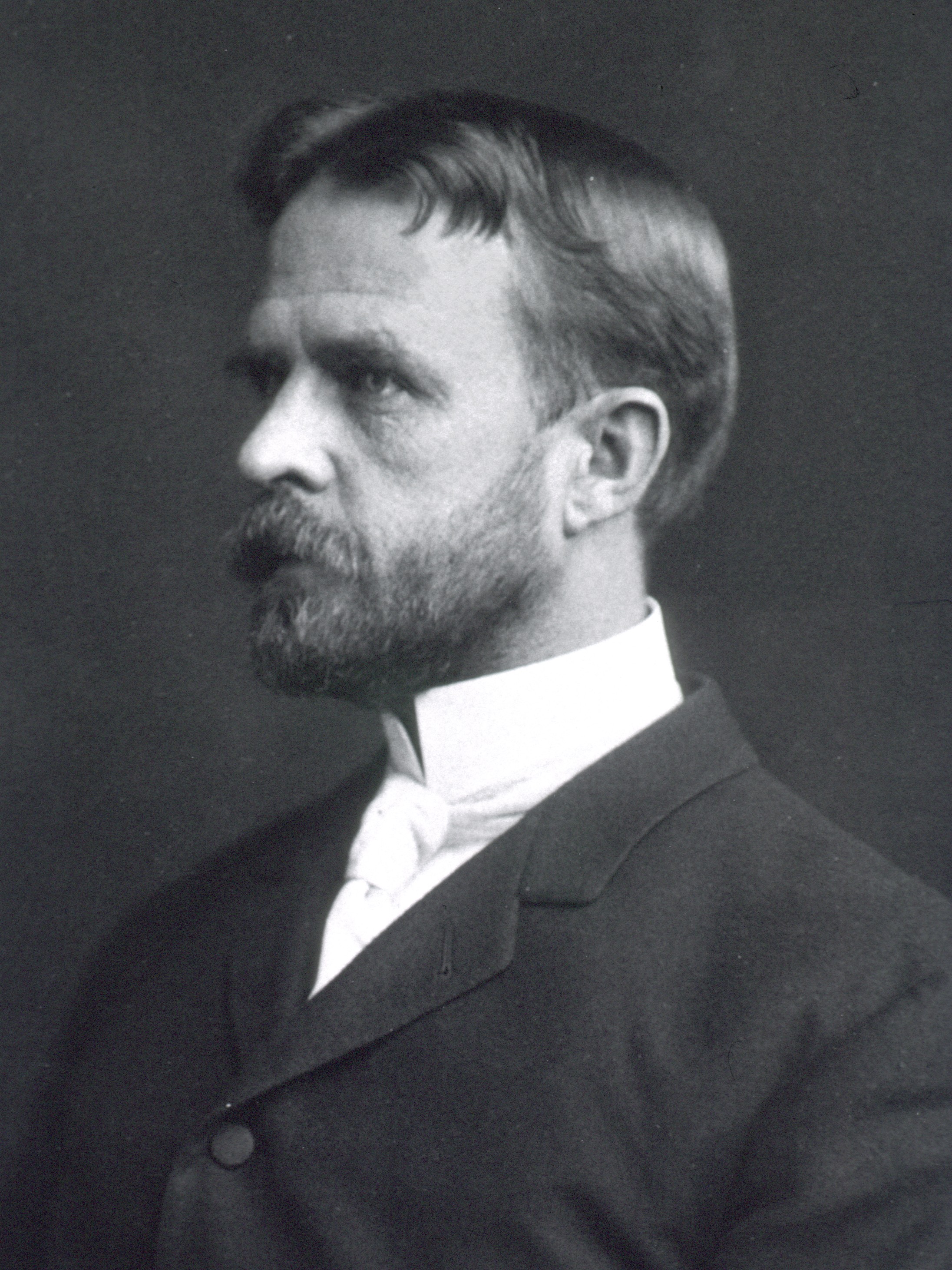
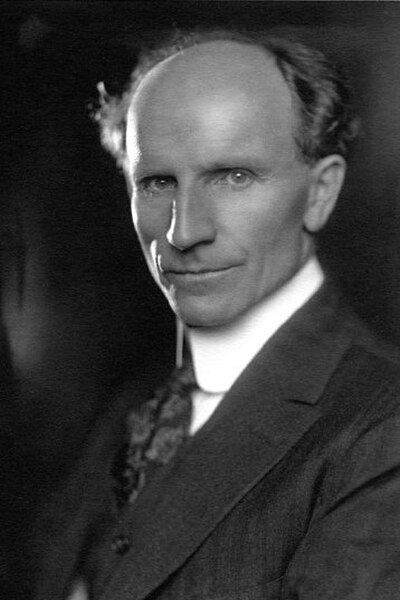
Hugh M. Smith was an American ichthyologist and a prominent figure in the study of fishery science during the late 19th and early 20th centuries. He is best known for his work 'The Salmon Fishery of Penobscot Bay and River in 1895-96,' which provided valuable insights into the salmon populations and fishing practices in this region of Maine. Smith's meticulous research and observations contributed significantly to the understanding of salmon ecology and the importance of sustainable fishing practices at a time when industrial fishing was beginning to impact fish populations dramatically. Beyond his work on salmon, Smith was involved in various aspects of fishery management and conservation, advocating for responsible practices to ensure the longevity of fish stocks. His contributions to ichthyology and fisheries science helped lay the groundwork for future research and policies aimed at protecting aquatic ecosystems. Smith's legacy endures in the field of fisheries management, where his early work continues to inform contemporary practices and conservation efforts.
Famous Quotes
View all 1 quotes“45 P.M. on that Friday evening a wireless message was received from the captain of the French liner La Touraine saying that they had “crossed [a] thick ice-field” and had then seen “another ice-field and two icebergs” and giving the positions of the ice and that of a derelict ship they had spotted. Captain Smith sent his thanks and compliments back and commented on the fine weather. While adding this information to the map in the chart room, Fourth Officer Boxhall remarked to the captain that La Touraine’s positions were of no use to them since French ships always took a more northerly course.””
Books from the author




Link to this page
Add a free, dofollow link to Lex on your blog, forum, syllabus, or reading list.

<a href="https://lex-books.com/author/hugh-m-smith"><img src="https://lex-books.com/badges/read-on-lex.svg" alt="Hugh M. Smith on Lex" width="160" height="40"></a>[](https://lex-books.com/author/hugh-m-smith)[url=https://lex-books.com/author/hugh-m-smith][img]https://lex-books.com/badges/read-on-lex.svg[/img][/url]Hugh M. Smith on Lex: https://lex-books.com/author/hugh-m-smith