
Henry Draper
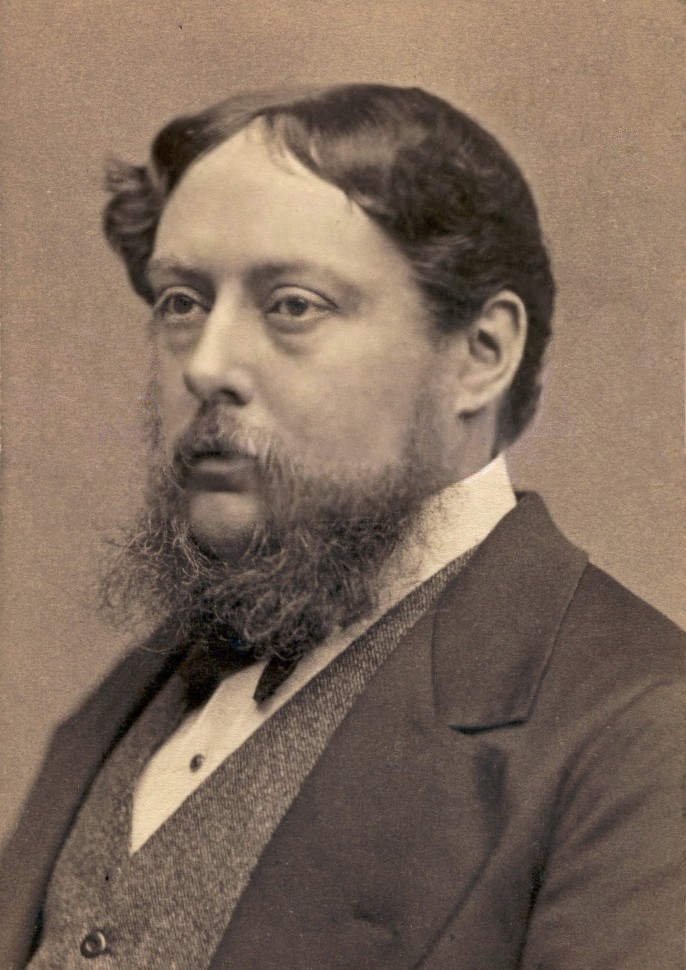
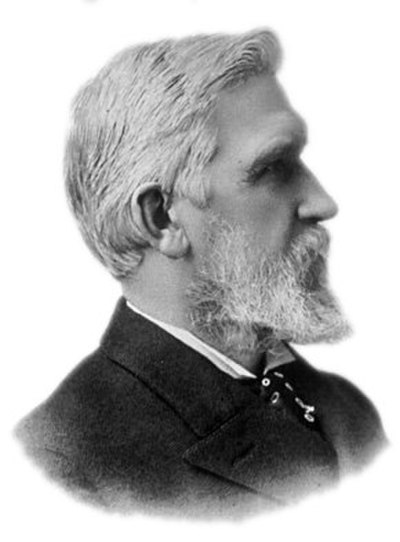
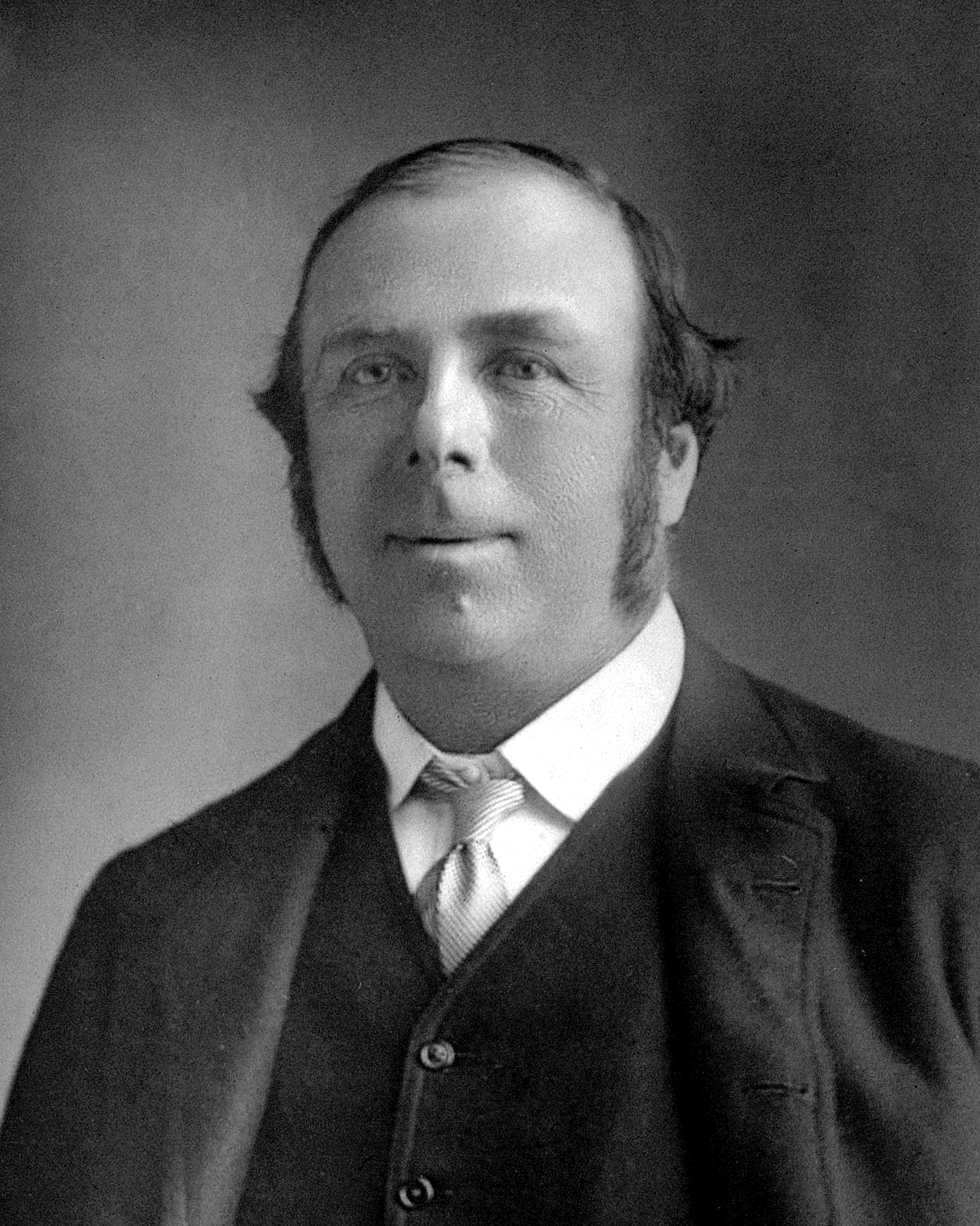
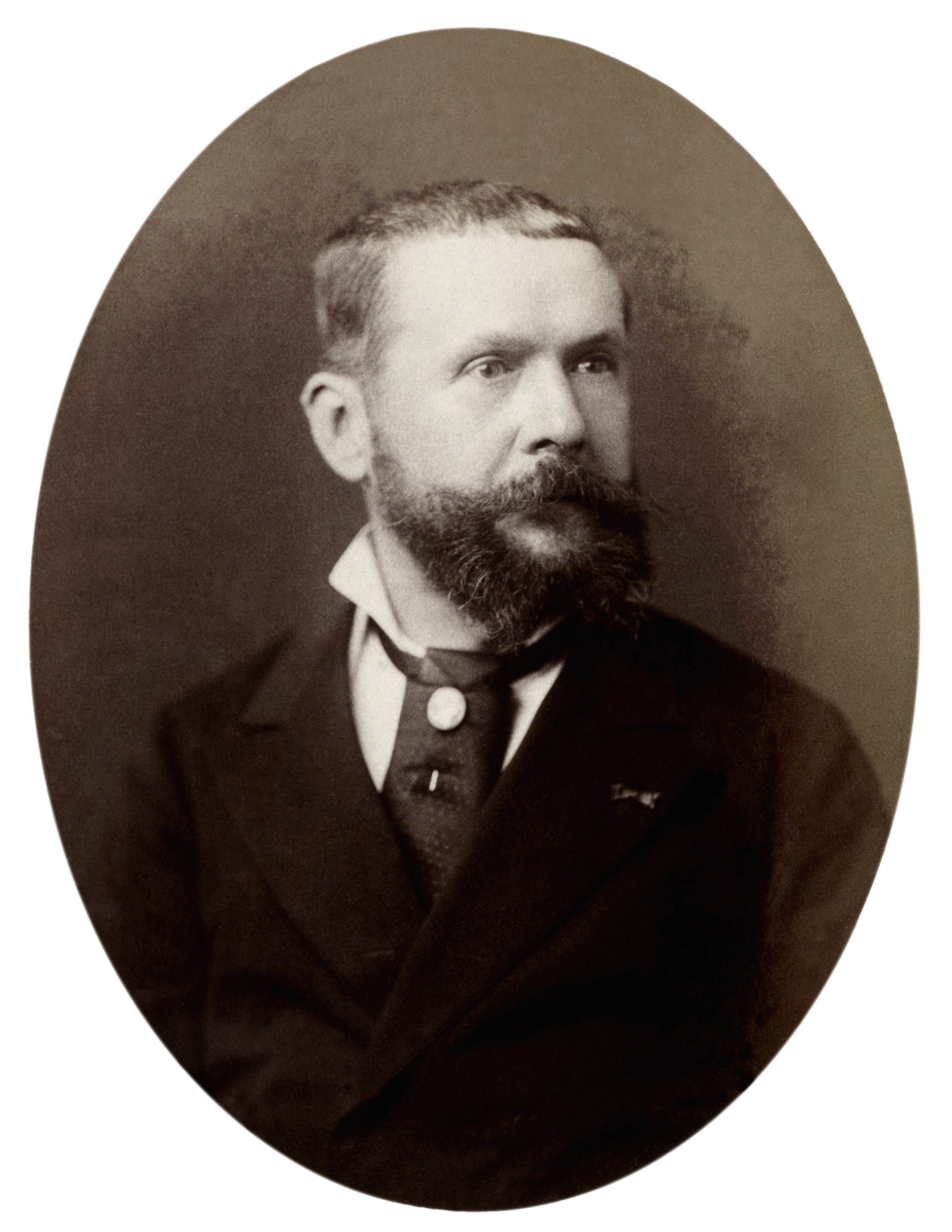
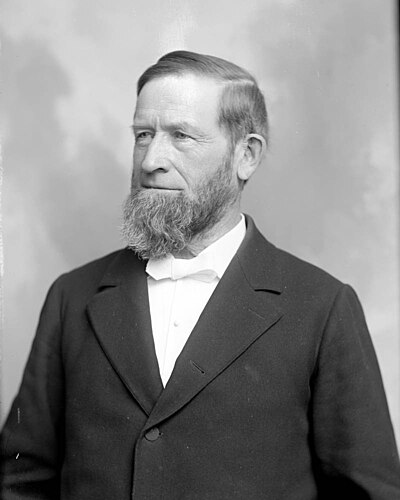
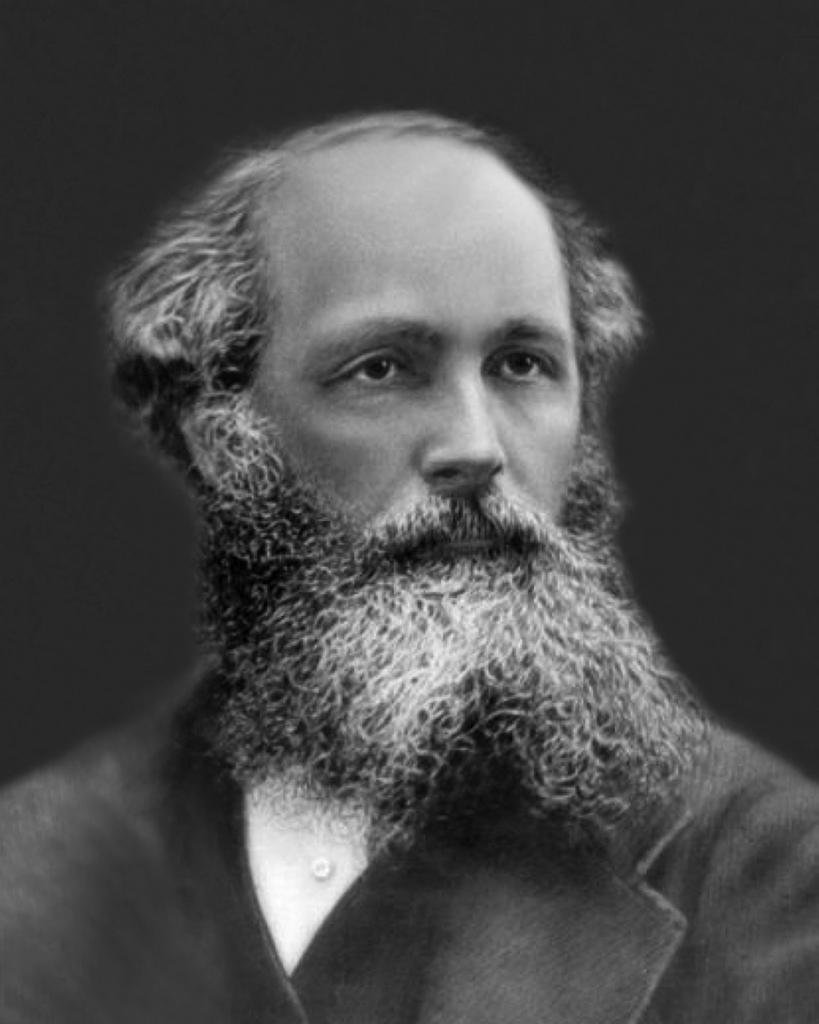
Henry Draper was an American medical doctor and an influential figure in the field of astrophotography. Born in 1837, he combined his scientific background with a passion for astronomy, which led him to develop innovative techniques for capturing celestial images. Draper's most notable achievement was the first successful photograph of a nebula, specifically the Orion Nebula, taken in 1880. This groundbreaking work not only showcased the potential of photography in astronomy but also laid the groundwork for future advancements in the field. Draper's contributions extended beyond his photographic endeavors; he was also involved in the early study of stellar spectra, which contributed to the understanding of the composition and behavior of stars. His work significantly influenced both amateur and professional astronomers, inspiring a new generation to explore the cosmos through the lens of a camera. Draper's legacy endures in the realm of astrophotography, where his pioneering spirit continues to inspire astronomers and photographers alike.
Famous Quotes
View all 1 quotes“Social radicals have therefore always faced the need to distinguish. There is a vital distinction between concern for women's rights (or liberty), founded on the aspiration for human freedom, and rejection of all restrictions on sexuality imposed by current social mores. This distinction is clearer in our day than ever before. Precisely because so many veils have been lifted, we plainly see the contemporary phenomenon of “sexual freedom” advocates who are only a new type of oppressors and exploiters of women. Many of the latter deserve the Male Chauvinist Pig of the Year award”
Books from the author






Link to this page
Add a free, dofollow link to Lex on your blog, forum, syllabus, or reading list.

<a href="https://lex-books.com/author/henry-draper"><img src="https://lex-books.com/badges/read-on-lex.svg" alt="Henry Draper on Lex" width="160" height="40"></a>[](https://lex-books.com/author/henry-draper)[url=https://lex-books.com/author/henry-draper][img]https://lex-books.com/badges/read-on-lex.svg[/img][/url]Henry Draper on Lex: https://lex-books.com/author/henry-draper