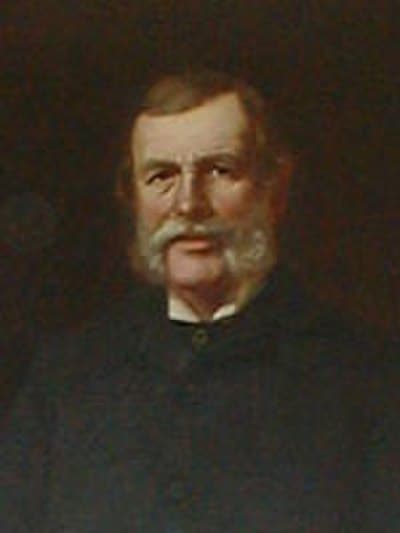
Henry A. Gardner
Famous Quotes
View all 1 quotes“In any long fiction, Henry James remarked, use of the first-person point of view is barbaric. James may go too far, but his point is worth considering. First person locks us in one character's mind, locks us to one kind of diction throughout, locks out possibilities of going deeply into various characters' minds and so forth. ....Vulgar diction in the telling of the Helen story would clearly create a white-hot irony, probably all but unmanageable. Colloquial diction and relatively short sentences would have the instant effect of humanizing once elevated characters and events. Highly formal diction and all that goes along with the traditional omniscient narrator might seem immediately appropriate for the seriousness of the story, but it can easily backfire, providing not suitable pomp but mere pompousness. And some choices in p.o.v. as well as in other stylistic elements, may have more direct bearing on the theme than would others. For instance, the "town" point of view, in which the voice in the story is some unnamed spokesman for all the community--among the most famous examples is Faulkner's "A Rose for Emily"--might have the immediate effect of foregrounding the story's controlling idea, conflicting community values versus personal values.””
Books from the author





Link to this page
Add a free, dofollow link to Lex on your blog, forum, syllabus, or reading list.

<a href="https://lex-books.com/author/henry-a-gardner"><img src="https://lex-books.com/badges/read-on-lex.svg" alt="Henry A. Gardner on Lex" width="160" height="40"></a>[](https://lex-books.com/author/henry-a-gardner)[url=https://lex-books.com/author/henry-a-gardner][img]https://lex-books.com/badges/read-on-lex.svg[/img][/url]Henry A. Gardner on Lex: https://lex-books.com/author/henry-a-gardner