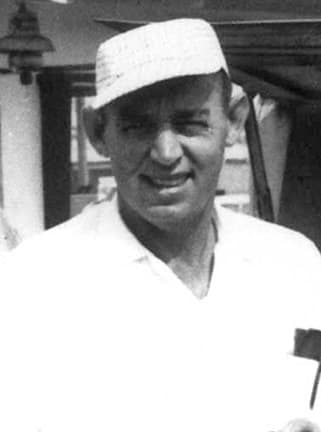
Harry Snyder
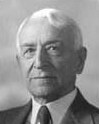
Harry Snyder was a pioneering figure in the fast-food industry, best known for co-founding In-N-Out Burger with his wife, Esther Snyder. He was instrumental in popularizing the concept of the drive-through hamburger restaurant, allowing customers to place orders via intercom, which transformed the dining experience in America. His vision for a quality-focused fast-food chain emphasized fresh ingredients and simple, classic menu items, setting a standard that many competitors would later strive to emulate. Under Snyder's leadership, In-N-Out Burger grew from a single location in Baldwin Park, California, to a beloved institution known for its commitment to quality and customer service. Snyder's innovative approach not only shaped the fast-food landscape but also influenced the broader culture of American dining. His legacy endures through the continued success of In-N-Out Burger, which remains a family-owned business and a favorite among burger enthusiasts across the country.
Famous Quotes
View all 5 quotes“As time passed and Harry flew and flew and flew, he forgot all about the fog, the city below him, and just about everything. Nothing in the world seemed to matter but wings, and sky, and motion. The free and endless kind of motion that people are always looking for in a hundred different ways.Flying was the way a swing swoops up; and the glide down a slide. It was the shoot of a sled downhill without the long climb back up. It was the very best throat-tightening thrills of skis, skates, surfboards and trampolines. Diving boards, merry-go-rounds, Ferris wheels, .roller coasters, skate boards and soap-box coasters. It was all of them, one after the other, all at once and a thousand times over.””
“Fyodor Dostoevsky’s The Brothers Karamazov and Milan Kundera’s The Unbearable Lightness of Being might suit our moment. Sinclair Lewis’s novel It Can’t Happen Here is perhaps not a great work of art; Philip Roth’s The Plot Against America is better. One novel known by millions of young Americans that offers an account of tyranny and resistance is J. K. Rowling’s Harry Potter and the Deathly Hallows. If you or your friends or your children did not read it that way the first time, then it bears reading again. Some of the political and historical texts that inform the arguments made here are “Politics and the English Language” by George Orwell (1946); The Language of the Third Reich by Victor Klemperer (1947); The Origins of Totalitarianism by Hannah Arendt (1951); The Rebel by Albert Camus (1951); The Captive Mind by Czesław Miłosz (1953); “The Power of the Powerless” by Václav Havel (1978); “How to Be a Conservative-Liberal-Socialist” by Leszek Kołakowski (1978); The Uses of Adversity by Timothy Garton Ash (1989); The Burden of Responsibility by Tony Judt (1998); Ordinary Men by Christopher Browning (1992); and Nothing Is True and Everything Is Possible by Peter Pomerantsev (2014). Christians””
“One novel known by millions of young Americans that offers an account of tyranny and resistance is J. K. Rowling’s Harry Potter and the Deathly Hallows.””
Books from the author




Link to this page
Add a free, dofollow link to Lex on your blog, forum, syllabus, or reading list.

<a href="https://lex-books.com/author/harry-snyder"><img src="https://lex-books.com/badges/read-on-lex.svg" alt="Harry Snyder on Lex" width="160" height="40"></a>[](https://lex-books.com/author/harry-snyder)[url=https://lex-books.com/author/harry-snyder][img]https://lex-books.com/badges/read-on-lex.svg[/img][/url]Harry Snyder on Lex: https://lex-books.com/author/harry-snyder