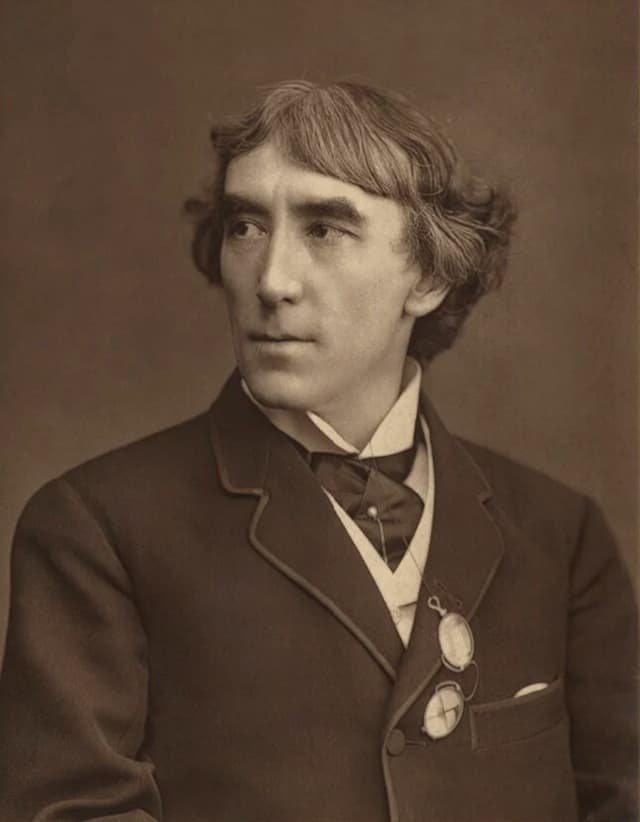
H. B. Irving
H. B. Irving was an English author and playwright, recognized for his contributions to crime literature in the late 19th and early 20th centuries. He was the son of the famous actor Henry Irving and grew up in a theatrical environment that influenced his literary pursuits. Irving's most notable work, 'A Book of Remarkable Criminals,' published in 1910, is a collection of true crime stories that delves into the lives and motivations of notorious criminals. This work is significant for its blend of narrative storytelling and criminology, providing insights into the psychology of crime during a time when the field was gaining prominence. Irving's writing is characterized by its meticulous research and engaging prose, which helped to popularize the genre of true crime. His exploration of criminality not only entertained readers but also sparked discussions about morality and justice. Despite his relatively short life, Irving's legacy endures through his contributions to crime literature, influencing later writers and shaping public perceptions of criminal figures. His works remain a testament to the fascination with the darker aspects of human nature and the complexities of societal norms.
Famous Quotes
View all 1 quotes“In peace he lived; In peace he died; Life was our desire, But God denied.””
Books from the author



Link to this page
Add a free, dofollow link to Lex on your blog, forum, syllabus, or reading list.

<a href="https://lex-books.com/author/h-b-irving"><img src="https://lex-books.com/badges/read-on-lex.svg" alt="H. B. Irving on Lex" width="160" height="40"></a>[](https://lex-books.com/author/h-b-irving)[url=https://lex-books.com/author/h-b-irving][img]https://lex-books.com/badges/read-on-lex.svg[/img][/url]H. B. Irving on Lex: https://lex-books.com/author/h-b-irving